In Tashkent bazaars, lunch is a spectator sport and the star is plov. Pyramids of rice and golden carrot meet sizzling lamb, then vanish by early afternoon. This guide maps six markets where the plov cauldron is part of the daily rhythm, from the grand domes of the Old City to the produce haunts locals swear by. You’ll find where to stand, what to order, and how to time it so you catch the good stuff hot. Expect plain talk on getting there and what it’ll cost as of 2026. Bring small bills and an appetite; the ladles move fast.
1. Where the cauldrons sing under a blue dome
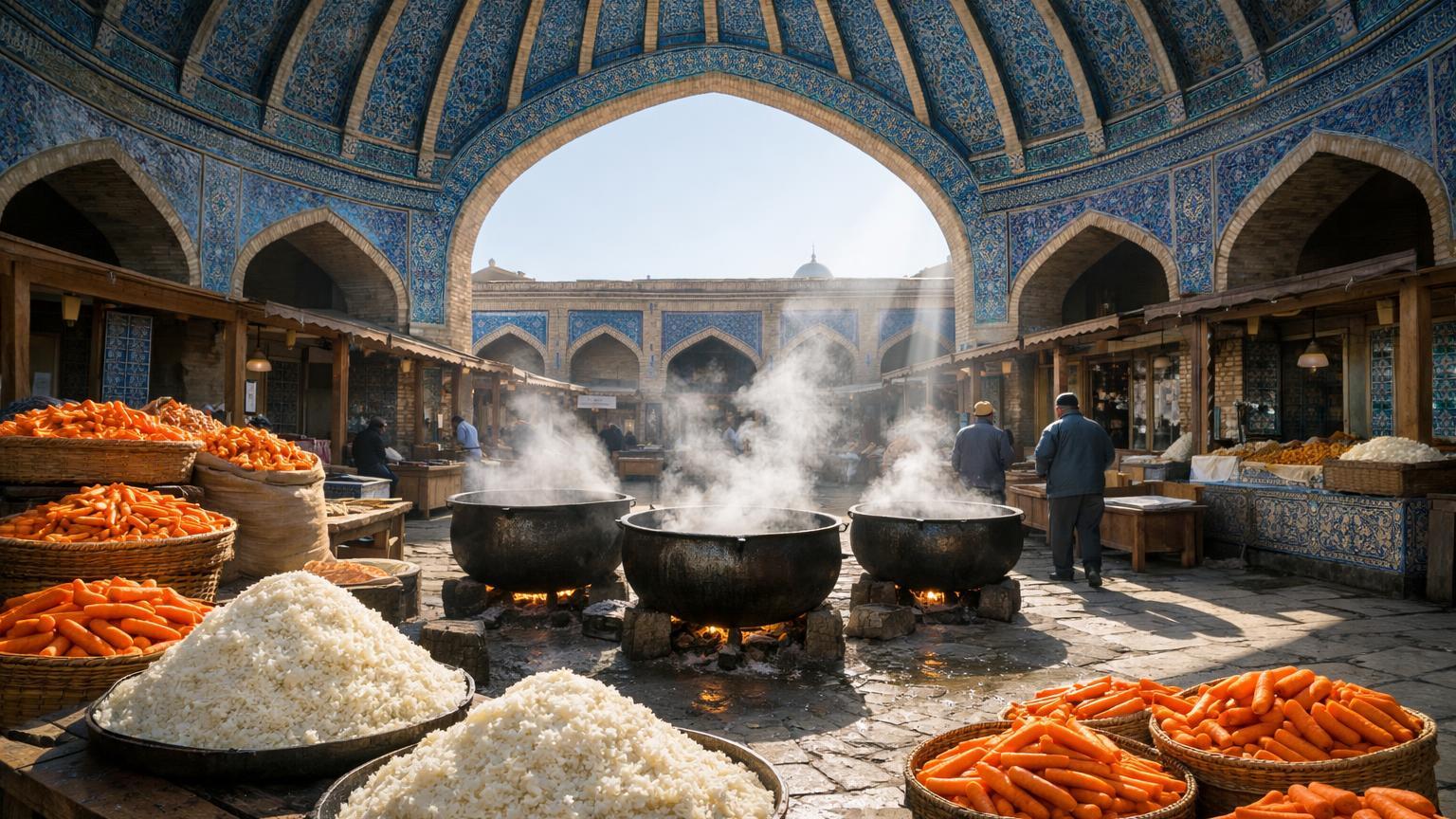
Chorsu is the market you picture when you think of Tashkent: a turquoise dome filled with spices and dairy, courtyards stacked with bread, and food rows where plov is ladled from cast‑iron kazans to metal plates. The scene builds toward noon, when oshpaz chefs rake rice and meat into neat hills, then flick on a blizzard of cumin and pepper. Portions can run out quickly because stalls cook in batches; arrive before the post‑lunch lull to watch, point, and eat while it’s steaming[1].
You can graze beyond plov. A loop through the samsa ovens and pickle aisles pairs nicely with a plate, and it’s fun to compare the lemony Tashkent style to richer Fergana takes on other days. If you like food photography, stand by the cauldron rim for the best light and the rice‑toss shot; the cooks don’t mind if you ask first.
Good to know: Metro to Chorsu and follow the bread scent to the food rows. Go 11:30–12:30 for the freshest batch; many stalls sell out soon after 13:00[1]. A plate of plov runs around 25,000–35,000 som as of 2026[2]. Insider tip: watch one stall finish, then eat at the next stall starting a new kazan for extra‑fluffy rice.
2. Polished market, homestyle plates
Smaller and neater than the Old City’s behemoth, Oloy Bazaar is where many city residents shop for handsome cuts of meat and fragrant rice for weekend plov pots. Tucked beside the produce, the Milliy Taomlar cooked‑food corner serves honest national dishes, including plov, mastava and lagman, to office workers and shoppers who don’t want to wait for dinner[3]. It’s an easy spot to learn the rhythm: tray, bread, plov, tea.
Oloy’s tidy aisles make it a good first market if big crowds aren’t your thing. Prices for raw ingredients skew higher than wholesale markets, but you trade a few som for speed and central convenience. If you’re timing a food crawl, it’s a gentle warm‑up before tackling Chorsu’s bustle.
Good to know: Reach it by taxi from Amir Temur area or on foot from nearby downtown streets; signage uses both Oloy and Alay. Come late morning for hot trays and shorter queues. Expect bazaar‑canteen plov prices similar to the city average noted in this guide[3][4]. Insider tip: ask for achichuk salad on the side; it brightens the rice.
3. Lunch between two metro hubs
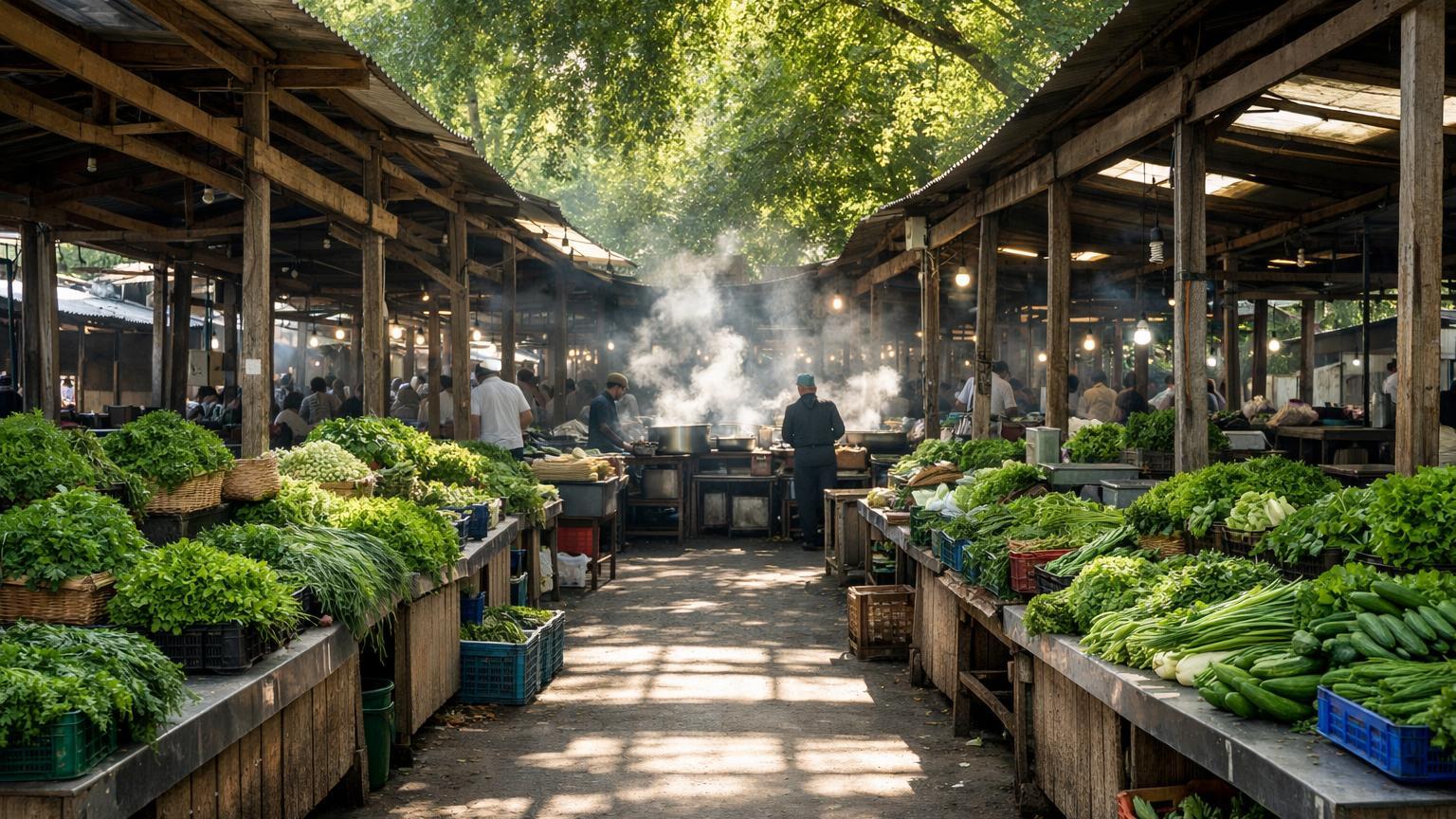
Mirabad feels like a neighborhood pantry: vendors pile herbs to the ceiling, bakeries slide fresh non onto boards, and canteens dish out no‑nonsense plates to regulars on their lunch break. It sits within easy reach of the Oybek and Tashkent metro stations, so it makes a handy midday stop between sights[5]. The market also telegraphs what’s cooking in the city—look for the yellow “plov carrots” stacked high, selling around 7,000–9,000 som per kilo as of November 2026[6].
Food rows here are straightforward: point at the pot for plov, grab bread, and add tea. If you’re curious about how plov shifts by district, Mirabad’s versions tend to be leaner and lemon‑tinged, matching Tashkent style, and portions skew sensible—ideal if you’re market‑hopping.
Good to know: Ride the metro to Oybek or Tashkent; it’s a short walk from either[5]. Aim for noon for peak turnover. Budget roughly the same per plate as elsewhere in this list; stalls adjust to market prices[6]. Insider tip: buy your bread first from the tandoor row, then carry it to the canteen—staff will happily slice it for you.
4. Samarkand‑style next door to the produce
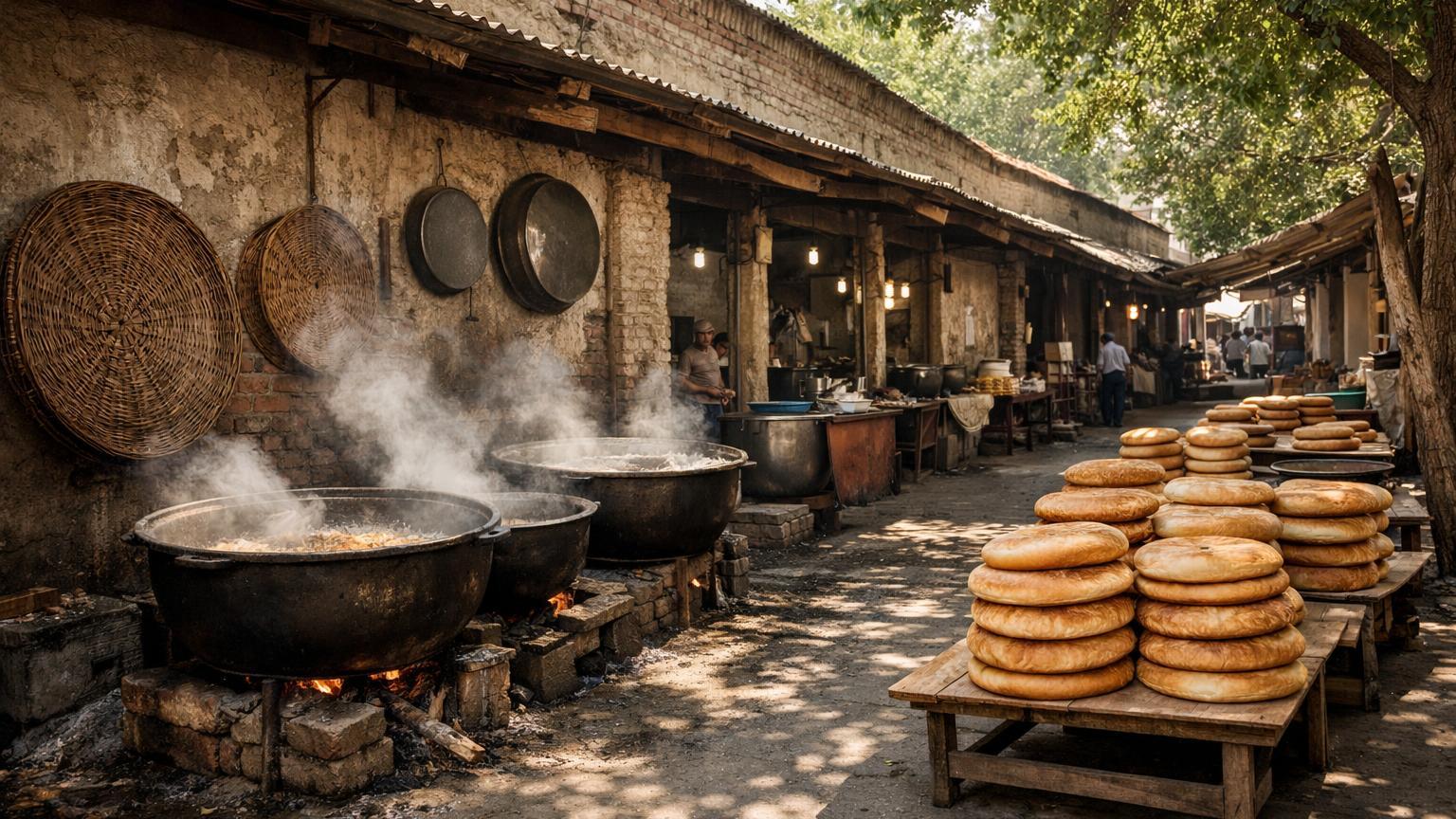
Parkent is a classic district market with a practical soul: mountains of greens, serious rice, and butchers guiding shoppers on the right cut for family plov. For lunch, the smart move sits just behind the bazaar: SamOsh, a local favorite for Samarkand‑style plov, where the rice is denser and the oil profile different to Tashkent’s everyday chaikhana version[7]. That makes Parkent a neat two‑for‑one—shop the produce, then taste a different school of plov a few steps away.
If you time your week around food, note that plov is particularly popular on Thursdays citywide, so portions can go fast around lunch. Arrive earlier on that day, or opt for a quieter weekday to linger over a second plate.
Good to know: Taxi to Parkent Street in Yashnobod and walk in via the main gate. Best around 11:30–13:00 for hot batches. Ingredient prices, like yellow plov carrots at 6,000–8,000 som per kilo in late November 2026, keep meals affordable[8]. Insider tip: ask at SamOsh for a spoon of qazi sausage on top to compare textures.
5. Wholesale bustle, working‑day plov
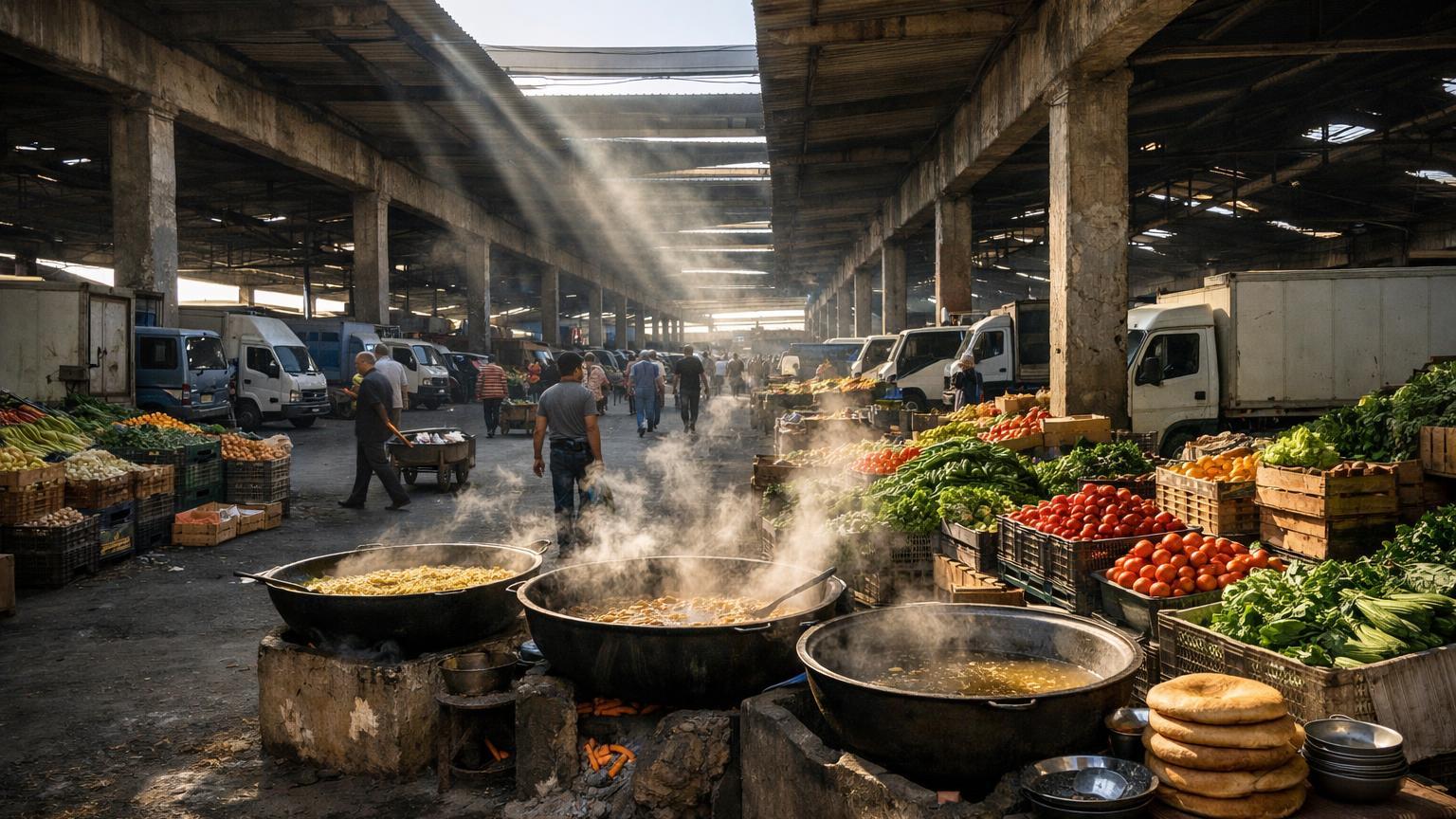
Kuyluk is the city’s produce engine: a wholesale market on the ring road where trucks back into aisles and deals are struck by the box. It’s long been the main fruit‑and‑veg hub for Tashkent, a place buyers come early to load up, then break for a canteen lunch[9]. Between spice stands and pickle sellers you’ll spot cauldrons too—plov is very much on the menu here, as any hungry porter will tell you[11].
For travelers it’s a lesson in scale. You can watch sacks of rice and carrots move by the ton, then taste the dish all those ingredients are destined for. It’s less polished than downtown markets, but the hospitality runs warm and portions are hearty.
Good to know: Easier by taxi; stalls keep wholesale hours, roughly 8:00–18:00, and lunch starts on the early side[10]. Figure on a plate price in the city’s ballpark; the official Plov Index recorded about 29,000 som per portion in Tashkent city in mid‑2023, with later prices trending higher[12]. Insider tip: buy a small bag of cumin in the spice row and sprinkle a pinch over your plate like the locals.
6. District classic with a famous neighbor
Yunusobod’s district market is where daily Tashkent life hums: families choosing rice, stall‑holders comparing melon sweetness, and canteens serving quiet, satisfying plates. The bazaar itself is a city‑run enterprise with active branches, and it anchors the neighborhood’s food routine[13]. If you want to make a plov‑themed double, the Central Asian Plov Centre, Besh Qozon, sits in the same district by the TV Tower; it cooks multiple cauldrons’ worth each lunchtime and is easy to combine with a pre‑ or post‑market wander[14].
At the bazaar canteens, portions are modest and turnover is brisk, with fresh batches appearing through the noon hour. It’s the sort of place where regulars chat salt ratios with the cook, then take bread for the road.
Good to know: Come late morning; at plov halls across the city the sweet spot is roughly 12:00–13:00, and market canteens follow a similar rhythm[15]. Prices per plate are in the same “few dollars” range you’ll see across Tashkent’s markets and canteens[15]. Insider tip: after lunch, hop a short ride to the TV Tower foot for a look at those stadium‑sized cauldrons.
Final thoughts
In these Tashkent bazaars, plov isn’t just lunch; it’s choreography, from the cumin toss to the final ladle. Time it right and you’ll catch hot, fluffy rice at six very different spots, all within a city that treats its markets like living rooms. Keep cash handy, ask before you photograph, and enjoy the Tashkent bazaars where lunch still feels like a small festival.
Sources
- Tashkent Chorsu plov tasting · Uzbekistan Guided Tours ↩
- Where to Eat the Best Plov in Tashkent: 7 Spots from Cauldron to Chaikhana — Hostella Blog ↩
- Alay Bazaar Milliy Taomlar Tashkent — Spotted by Locals ↩
- Alay Bazaar | VisitTashkent.uz ↩
- Mirabad Bazaar | VisitTashkent.uz ↩
- Mirabad Bazaar prices today — SKOKA ↩
- Plove of my life: Where to find authentic plov — Yandex Open Kitchen ↩
- Parkent Bazaar prices today — SKOKA ↩
- Horticulture Value Chain Infrastructure Project (RRP UZB 51041) — ADB ↩
- Kuyluk Bazaar prices today — SKOKA ↩
- Plov at Kuyluk market — Wikimedia Commons ↩
- Plov Index, June 2023 — Statistics Agency of Uzbekistan ↩
- PQ-279 (2026): measures for Tashkent’s 2026–2027 development — Lex.uz ↩
- Beshqozon (Central Asian Plov Centre) — AllUzbekistan ↩
- Where to Eat in Tashkent: Plov & 8 Restaurants — UZORA Travel ↩