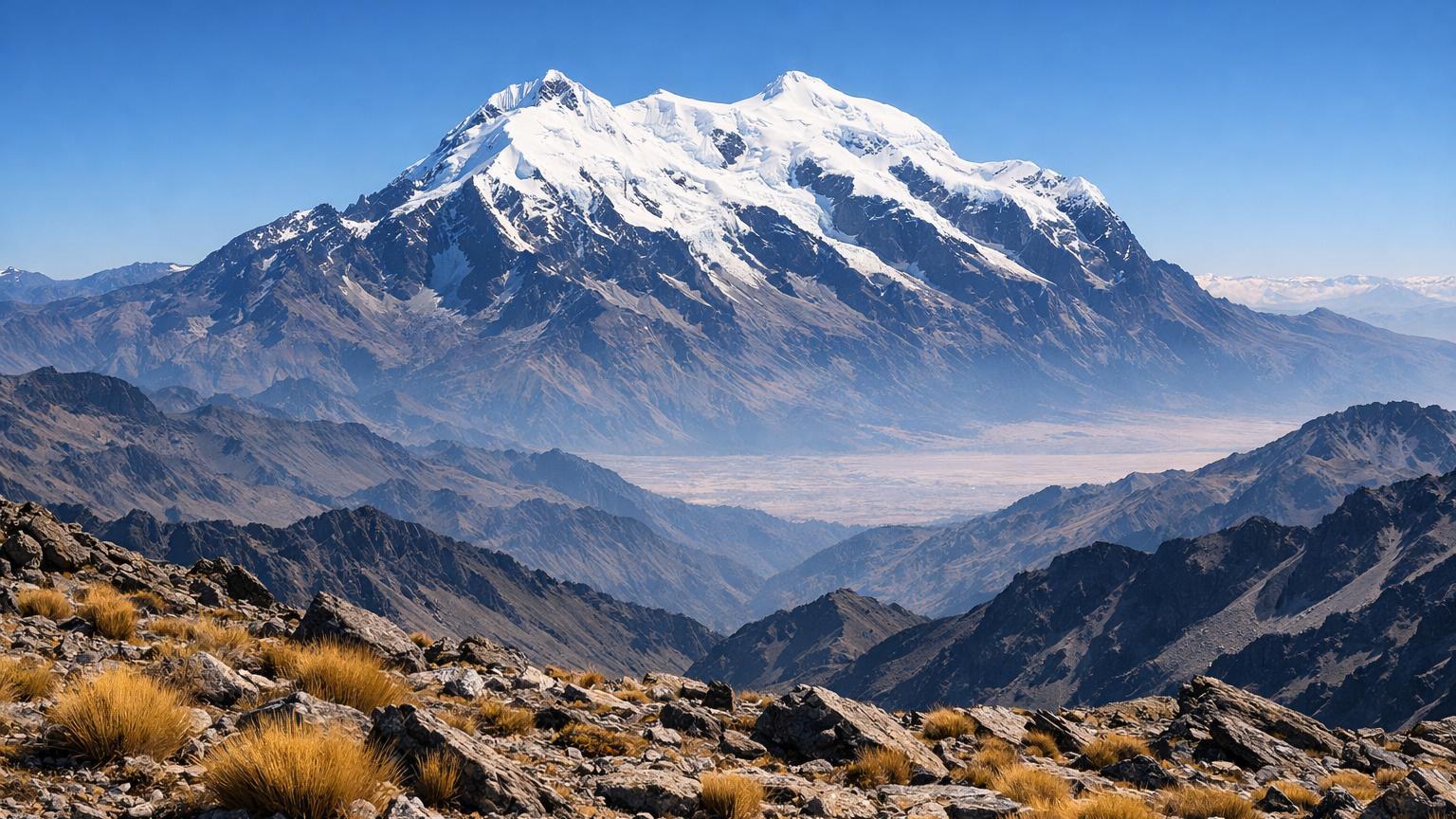
Bolivia mountain climbing is a choose‑your‑own‑adventure of snowy ridges, volcano skylines and day‑pack summits. In a compact radius around La Paz and across the Altiplano, you can string together warm‑ups and big goals without crossing borders or losing days to long approaches. This guide picks six peaks that reward good acclimatization with outsized views and clear logistics. You’ll get how to reach each mountain, when conditions are most reliable, and what a guided ascent typically costs as of 2026. Expect a mix of glacier travel and volcano rambles, plus one stellar hiking summit for rest days. Bring fitness and curiosity; the mountains will supply the rest.
1. Your First 6,000: Huayna Potosí
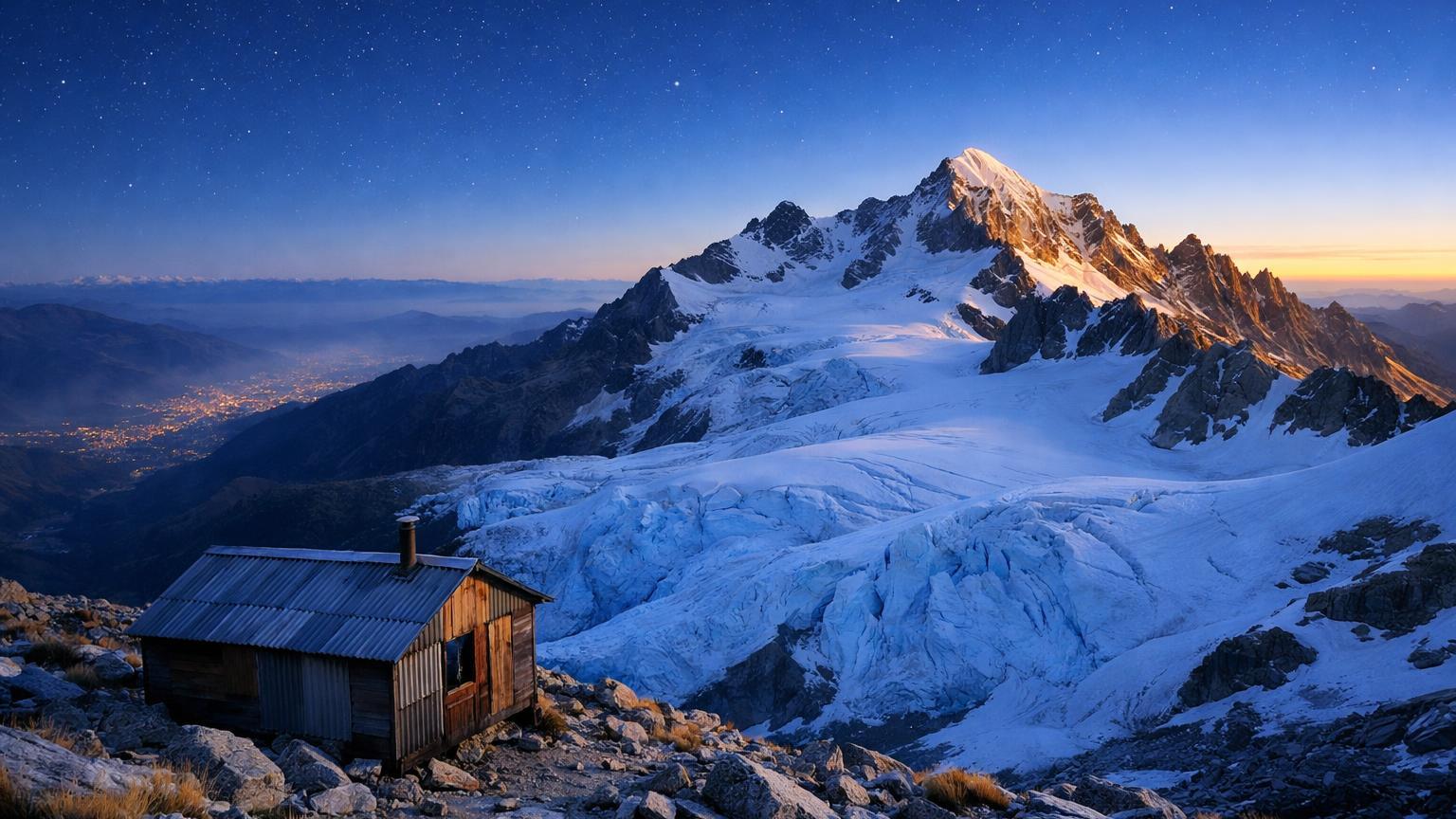
If you’re eyeing Bolivia mountain climbing as a first foray above 6,000 meters, Huayna Potosí is the classic starting line. A short drive from La Paz, its normal route threads crevasses and a steep but straightforward summit slope. Many teams build in a glacier‑skills refresher so the midnight push feels familiar rather than frantic. The views at dawn take in Lake Titicaca to the west and the Condoriri group marching north. Guided programs usually run two or three days, with huts simplifying life. Prices vary by group size and what’s included. Premium local operators list three‑day climbs around US$485–750 per person in 2026, while bare‑bones two‑day options in La Paz are often quoted between about US$150 and US$230 per person[1][3]. Dry, stable conditions are most common in the mid‑year season, when agencies schedule frequent departures[2].
Good to know: Getting there: Agencies in La Paz drive via Zongo Pass to the lower refuge; transport is typically included in the package[1]. Best time: May to September for firmer snow and clearer skies[2]. Rough cost: Plan on around US$150–230 for budget 2‑day climbs or US$485–750 with established outfitters as of 2026[3][1]. Insider tip: Ask exactly which technical gear is included; good boots and crampons can make or break summit day[2].
2. La Paz’s Guardian: Illimani
Illimani is the southern sentinel of La Paz and a proud step up in length and commitment. The normal route climbs from Pinaya to the Nido de Cóndores high camp before a long summit day that rewards steady pacing and a tolerance for very cold mornings. Many climbers tackle it after a warm‑up on Huayna Potosí or Pequeño Alpamayo to arrive dialed at altitude. Commercial ascents generally run four days on the mountain. Established La Paz operators post 2026 prices in the ballpark of US$1,100–1,600 per person, depending on group size and inclusions[1]. Timing matters here: during the dry season, guides line up regular dates, while shoulder months can bring softer snow and shifting crevasses[2].
Good to know: Getting there: Most trips start in La Paz and continue by vehicle to Pinaya, then hike to Nido de Cóndores with porters or mules arranged by your guide[1]. Best time: May to September for the most reliable weather windows[2]. Rough cost: Around US$1,100–1,600 per person for a 4‑day climb as of 2026, varying with group size[1]. Insider tip: Build in a contingency day; Illimani’s length makes an extra weather margin very useful[2].
3. A Perfect Pyramid: Pequeño Alpamayo
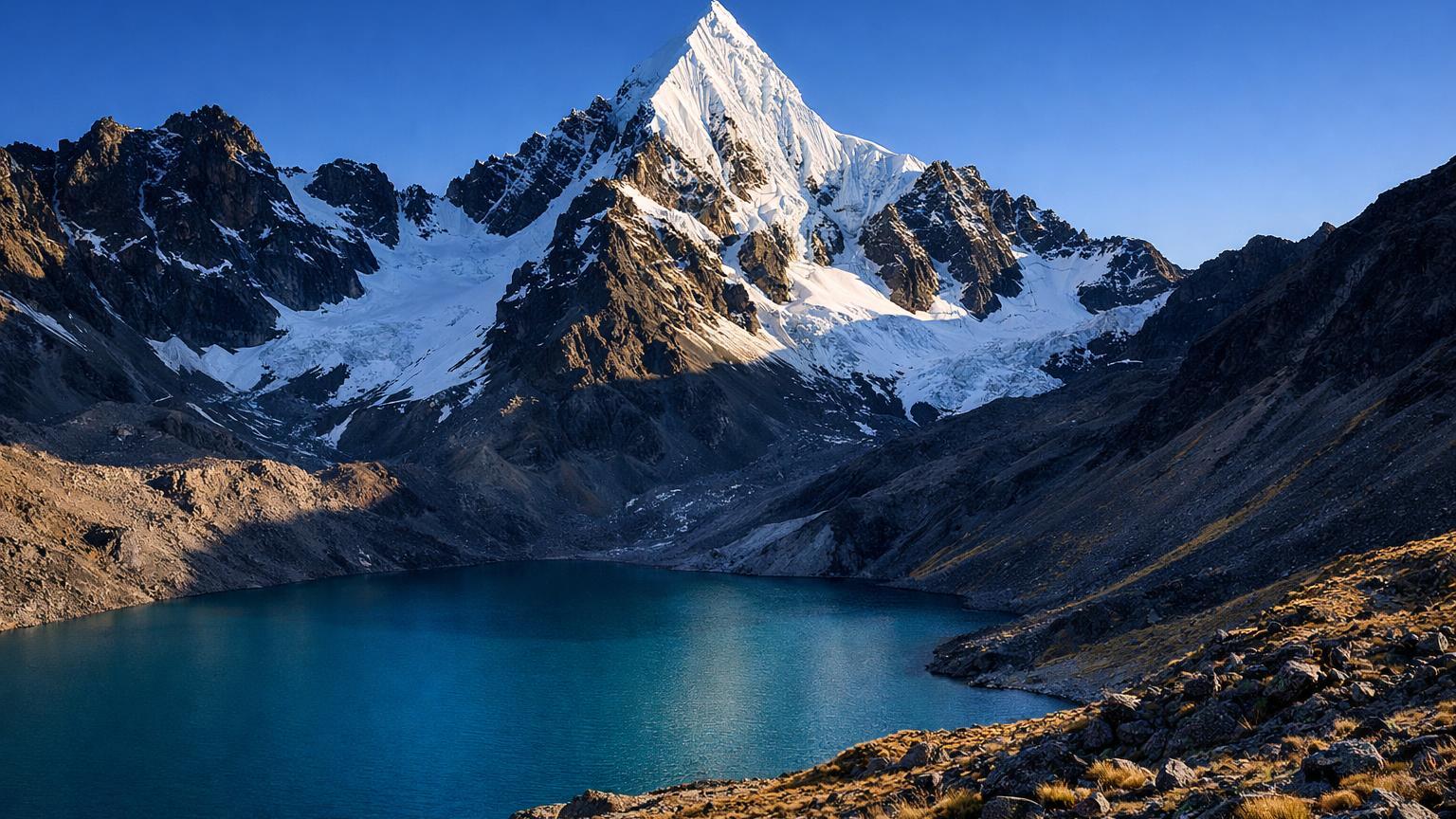
Pequeño Alpamayo might be the most photogenic of the Condoriri group, a neat white triangle above Laguna Chiar Khota. The usual itinerary hikes to base camp, practices movement on the glacier, then steps over Pico Tarija to the final airy ridge. It’s a confidence‑builder for bigger Cordillera Real objectives and an excellent way to link skills with scenery. The typical guided program is three days, camping or using simple shelters near the lake. Published 2026 prices from long‑running local companies fall roughly between US$545 and US$750 per person, sliding down as teams grow[1]. Operators concentrate their departures in the dry season, when nights are cold and the snow surface tends to be firmer[2].
Good to know: Getting there: Agencies drive from La Paz toward Tuni and hike to Laguna Chiar Khota for base camp[2]. Best time: May to September for firmer conditions[2]. Rough cost: About US$545–750 per person for a 3‑day ascent with a reputable local operator as of 2026[1]. Insider tip: Bring a warm belay jacket for the ridge; you’ll stop often for photos here, and the wind is rarely shy[2].
4. Big Views, No Glacier: Pico Austria
For a high‑country breather between glacier days, Pico Austria delivers serious horizon for modest effort. The summit sits above the Condoriri lakes, giving a front‑row seat to the “condor’s head” and its wings of jagged peaks. It’s a hike on a well‑worn trail rather than a technical climb, which means less gear, more snacks, and time to point out every alpaca you see. Day trips from La Paz are common, with early departures to catch clear morning light on the range. Several outfitters run private or small‑group hikes that include transport, lunch and trekking poles. Published 2026 prices typically range from about US$75 to US$139 per person depending on group size[6]. For the smoothest weather, align this outing with the region’s dry‑season pattern, the same calendar that guides most ascents out of La Paz[2].
Good to know: Getting there: Tours drive from La Paz toward Tuni and trailheads near the Condoriri lakes; transport is bundled by many agencies[6]. Best time: Dry months from May to September[2]. Rough cost: Around US$75–139 per person for a guided day hike with transport as of 2026[6]. Insider tip: Pack a thin pair of gloves; windy passes make photo stops brisk even on sunny days[2].
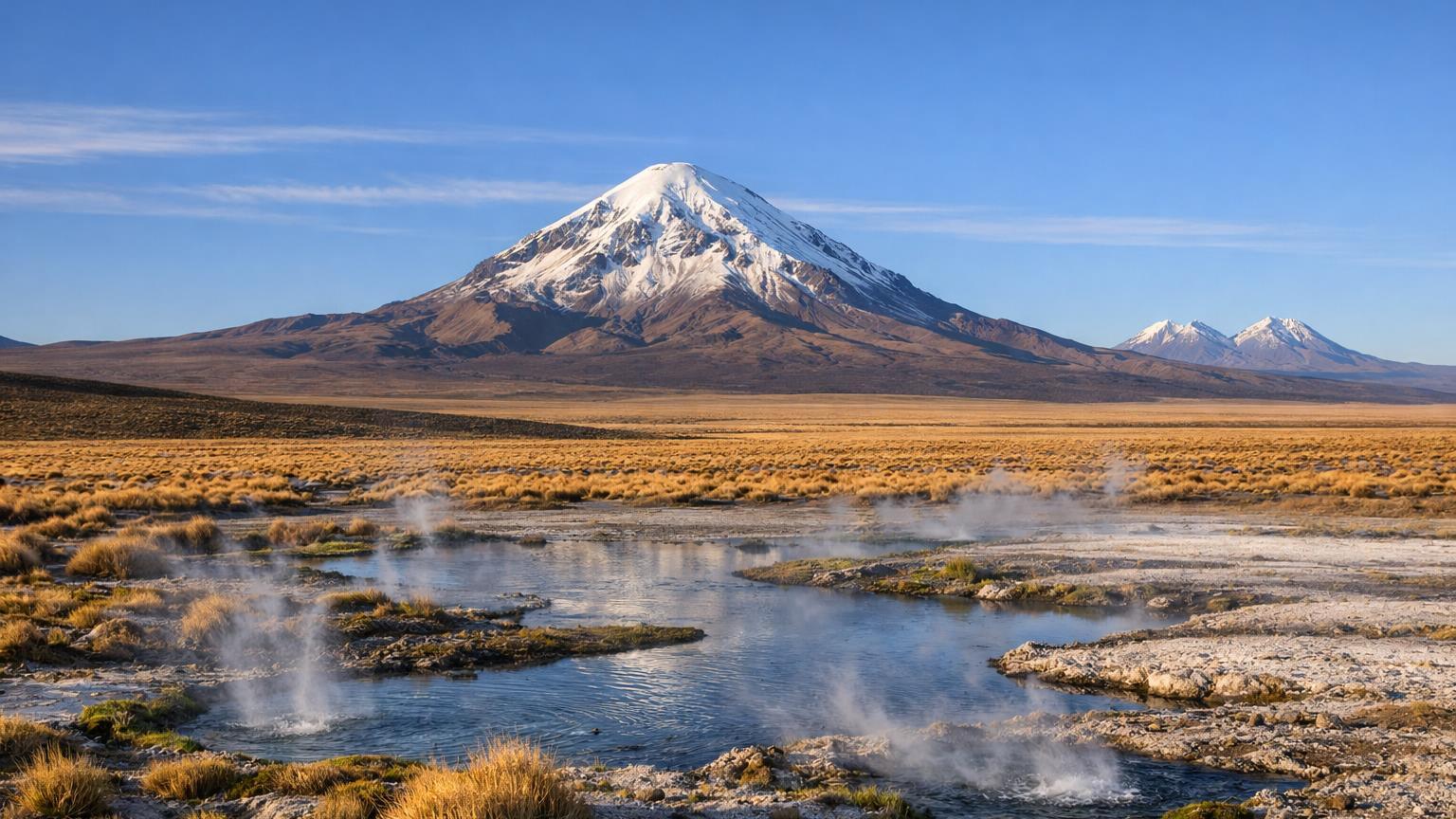
5. Bolivia’s Rooftop: Nevado Sajama
Solitary on the western Altiplano, Nevado Sajama is the country’s highest summit and a serious multi‑day undertaking. Climbers base in Sajama village inside the national park and work up via high camps, timing the final push for a clear, cold night. Non‑climbers still win the day here with steaming hot springs, queñua woodlands and sunrise over the twin Payachata volcanoes. Sajama is also the one peak on this list inside a national park with an entry fee. As of 2026, foreigners pay about Bs 100 at the park office, and the Manasaya hot springs charge around Bs 30 for the main pool[5]. Guided summit programs vary widely with logistics and ratios: local references show ranges from roughly US$700 to US$1,600 per person in 4–5 day formats, depending on group size and inclusions[5][1]. Expect the most reliable climbing windows during the cool, dry middle of the year[5].
Good to know: Getting there: From La Paz, head west toward Tambo Quemado and turn to Sajama village; agencies arrange vehicles and all camps[5]. Best time: May to October for climbing conditions and clear mornings[5]. Rough cost: Budget around US$700–1,600 per person for a guided ascent as of 2026; park entry is about Bs 100 and the Manasaya hot springs about Bs 30[1][5]. Insider tip: Bring cash in bolivianos; there are no ATMs or card facilities in the park[5].
6. An Approachable 6,000: Acotango
Acotango is a broad, handsome volcano in the Quimsa Chatas group, popular with acclimatized trekkers who want a non‑technical 6,000‑meter summit. Approaches use a high 4x4 track to reach the mountain’s upper slopes, where a steady path of scree and wind‑packed snow leads to unforgettable Altiplano views. It’s a fine capstone after Huayna Potosí or Pequeño Alpamayo and a gentle introduction to this corner of Sajama. Reputable operators publish transparent pricing for 2026 two‑day programs: one UIAGM‑led outfit lists roughly US$775 per person for private trips, dropping to about US$350–425 per person in groups of four, with transport, climbing gear, hut night in Sajama and the park fee included[4]. Many guides describe Acotango as one of Bolivia’s least technical 6,000‑meter peaks, which is exactly the point after a week of crampons and ridges[7]. Plan for the same dry‑season window that governs bigger climbs on the Altiplano[5].
Good to know: Getting there: Base in Sajama village; agencies use 4x4s to a high start before the final walk to the rim[4]. Best time: May to September for clear, dry days[5]. Rough cost: Around US$350–775 per person for a 2‑day ascent with gear and Sajama park fee included, as of 2026[4]. Insider tip: Gaiters help keep volcanic grit out of boots; they’ll feel like magic on the descent[7].
Final thoughts
From first glaciers to high volcanoes, these peaks make Bolivia mountain climbing both achievable and wildly scenic. String two or three together for a tidy progression, keep a buffer day for weather, and let the dry‑season calendar be your compass. The summits will still be there if you come back for that “maybe twice.”
Sources
- Costs & Dates – Bolivian Mountains (2026 programs and prices) ↩
- Climbing Season in La Paz: Illimani, Condoriri and Pequeño Alpamayo (Updated 2026) – La Paz Life ↩
- Huayna Potosí 2026: Climbing a 6,000m Peak Near La Paz – La Paz Life ↩
- Acotango volcano 6052 m – Price list (2026) – Andean Ascents (PDF) ↩
- Nevado Sajama: what to see, best time and fees (verified July 2026) – Viajá con Gus ↩
- Pico Austria Día Completo – Oasis Bolivia (2026 prices) ↩
- Acotango – Bolivian Mountaineering (tour overview) ↩