Pakistan mountain roads are the kind that turn even quiet passengers into back‑seat photographers. Up north, the Karakoram, Himalaya and Hindu Kush fold into a maze of stone where engineers threaded drives that feel audacious and oddly graceful. This guide picks four routes that are equal parts journey and viewpoint. Expect high passes, sudden turquoise lakes, and tea stalls where snow starts five minutes up the road. You’ll also find practical notes on the best season, how to hire a vehicle, and real‑world costs. Pack layers, patience and a sense of scale; these are roads that make maps seem tiny.
1. Where the highway learns to breathe thin air
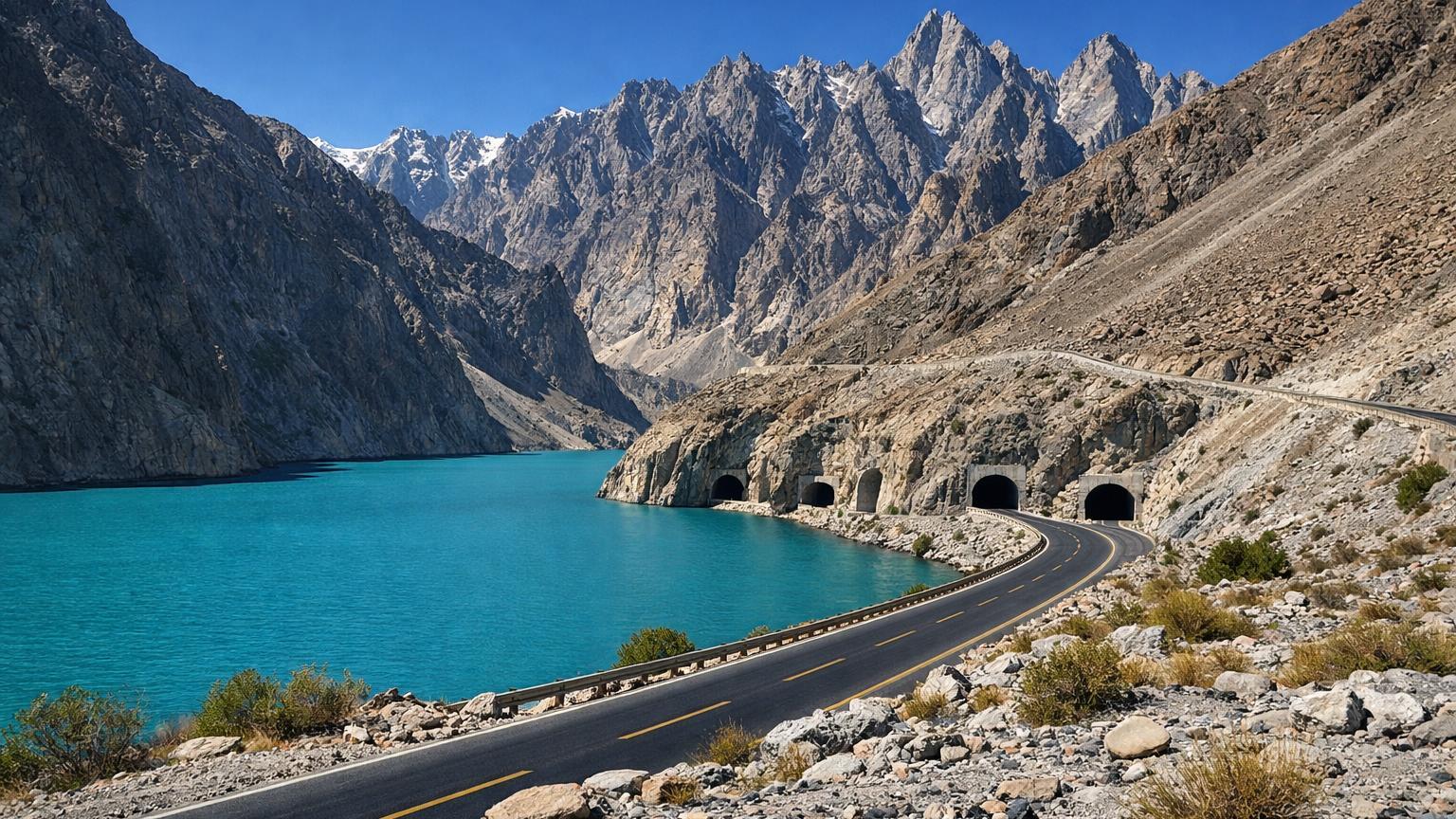
From Gilgit the Karakoram Highway (KKH) threads upstream past apricot orchards and weathered forts, then dives through the Attabad tunnels—five bores on a 24 km realignment finished in 2015—to a string of blue water and saw‑toothed peaks[2]. Beyond Passu’s famous rock spires the valley widens, traffic thins, and yaks start sharing the verges like very calm traffic police.
Above Sost the blacktop enters Khunjerab National Park and climbs to the Pakistan–China border at 4,693 m, the high point of the KKH and a literal breath‑stealer[1]. The road is paved to the top; many travelers base in Hunza and hire a car or 4x4 for a long day to the pass, typically around PKR 12,000–22,000 per vehicle in 2026, depending on the model and fuel being included[3]. Carry your passport; IDs are checked at posts on the way up, and you’ll want cash for the park checkpoint[4].
Good to know: Getting there: Fly to Gilgit or drive the KKH from Islamabad, then continue north through Hunza to Sost. Best time: Late May to October; winter snow can shut the upper road. Rough cost: Day hire from Karimabad to Khunjerab around PKR 12,000–22,000 per vehicle as of 2026[3]. Insider tip: Leave Hunza by 7–8 am to photograph Attabad’s tunnels and the Passu Cones in soft light, and beat any afternoon cloud at the top[2][4].
2. A one‑day summit over the Kaghan divide
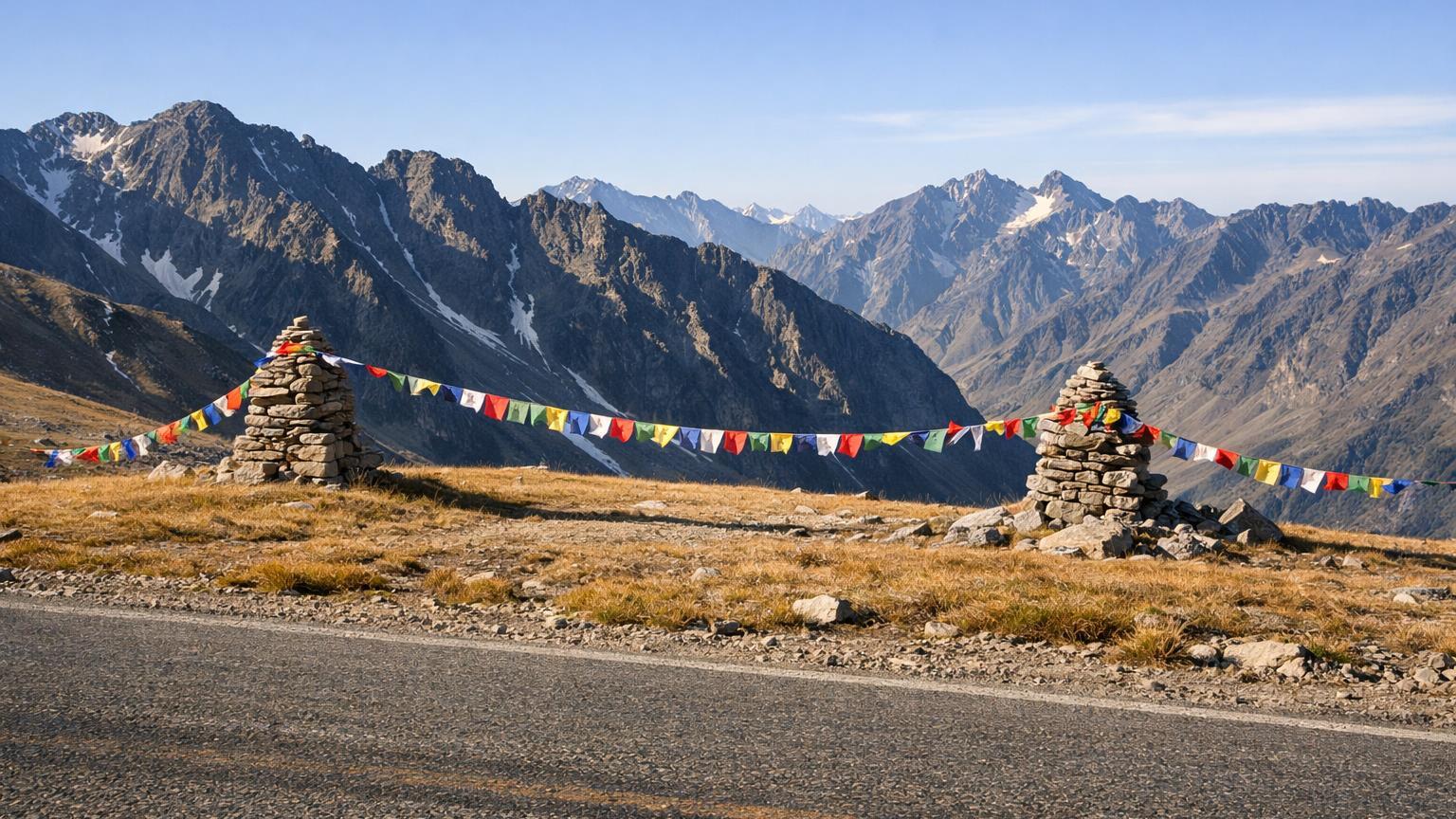
This is the classic day drive where Pakistan mountain roads take you from pine valley to alpine chill before lunch. The N‑15 climbs from Naran past Lulusar Lake and Besal, switchbacking to Babusar Top at 4,173 m, the highway’s high saddle linking the Kaghan Valley to Chilas and the Karakoram Highway beyond[5]. Views near the summit look across a whole atlas of ranges; the wind politely reminds you to keep your hat.
Babusar is a summer road. Snow decides the exact dates, but the pass usually opens around early June and runs into October, with status checked locally the evening before[6]. If you’re short on time, local operators sell day trips from Naran, or you can hire a private 4×4 and stop where the scenery demands a tea break[7].
Good to know: Getting there: Base in Naran; drive or hire locally, then continue down to Chilas if you’re connecting to the KKH. Best time: Roughly June to October; confirm openings and any weather closures before setting off[6]. Rough cost: From Naran, group day tours start around PKR 6,500 per person or PKR 9,000–12,000 for a private 4×4 return as of 2026[7]. Insider tip: Save time for Lulusar Lake on the ascent; the water is mirror‑calm in the morning and the parking is right off the road.
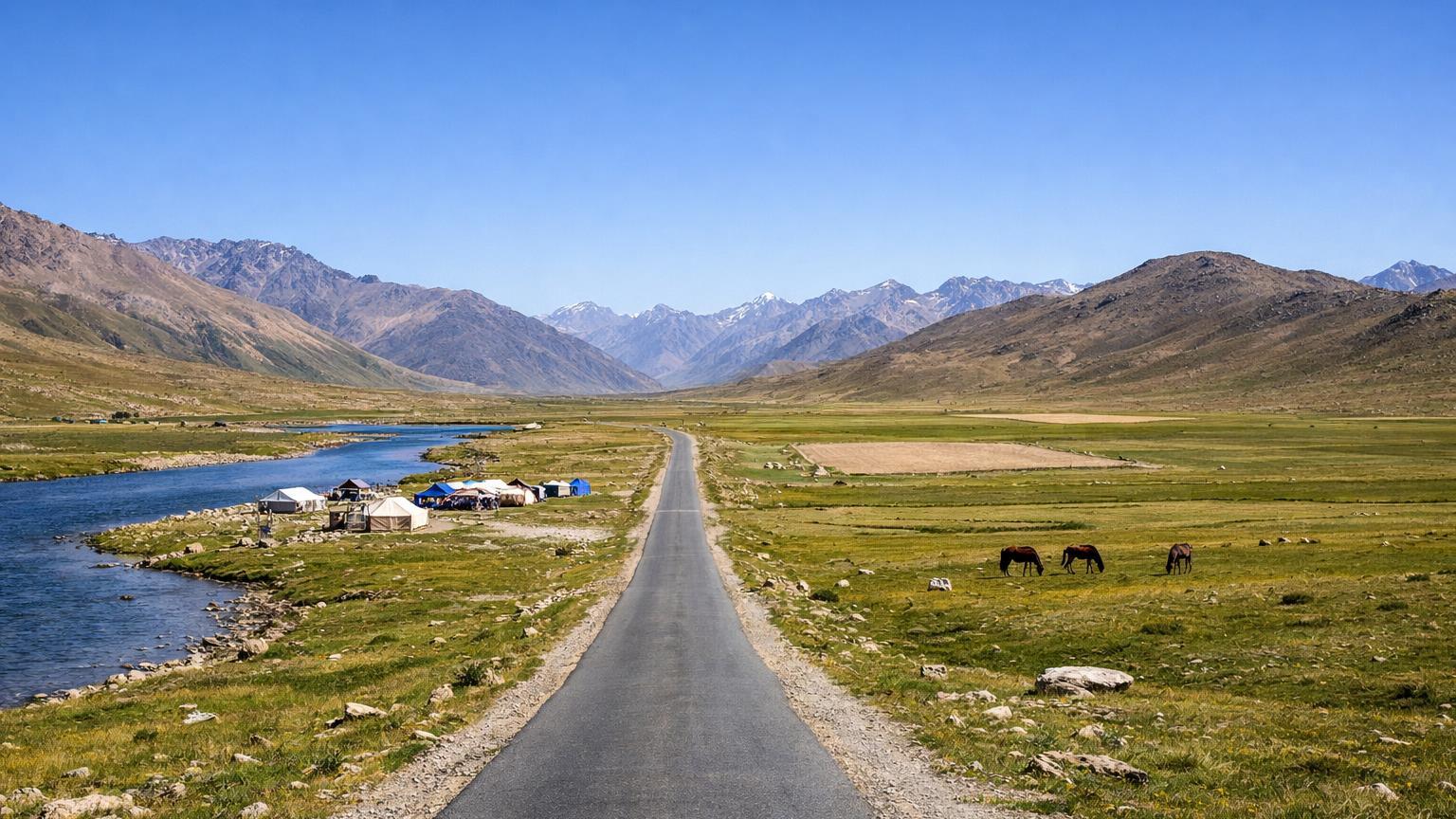
3. Grassland grandstand on the Roof of the World
West from Gilgit the road follows the Ghizer River through Gahkuch, Gupis and the lakes of Phander before lifting onto the open turf of Shandur Pass, a broad saddle around 3,700 m where the horizon seems to back away as you drive[8][10]. The surface mixes paved and unsealed stretches; part of the charm is that villages still pause to watch the day’s small caravan go by[8].
In June the grass becomes a grandstand: the Shandur Polo Festival returned on June 11–13, 2026, drawing teams and spectators to the world’s highest polo ground at the very top of the pass[9]. Outside festival days it’s a quieter two‑day traverse between Gilgit and Chitral, with a night in Phander or Mastuj and a lot of windows‑down air between songs.
Good to know: Getting there: From Gilgit, plan about 216 km via Gahkuch, Gupis and Phander to the pass; a 4×4 is wise for the unsealed sections[10][8]. Best time: Late June to September; check road and weather updates before you go[8]. Rough cost: Private 4×4 with driver typically runs around PKR 11,500–25,000 per day in 2026, depending on vehicle and fuel arrangement[11][12]. Insider tip: Break the trip at Phander to catch golden hour on the lake, then tackle the pass early while the light is low and traffic is nil.
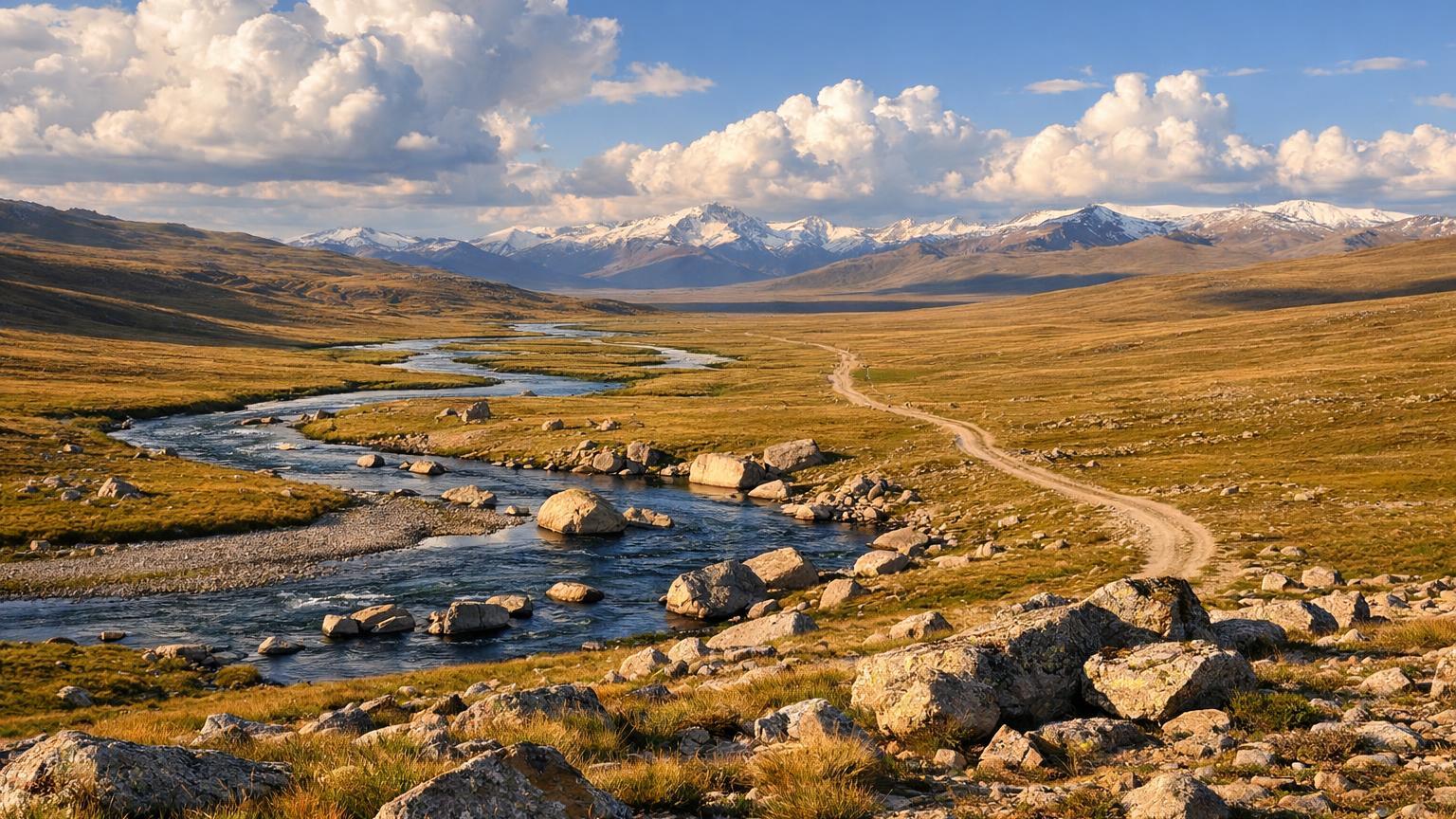
4. A high, wild tabletop above Skardu
South of Skardu, a jeep track climbs past Sadpara Lake into the rolling, sky‑level plains of Deosai, a high‑altitude park where marmots whistle and clouds throw moving shadows on mile‑wide meadows. It’s 4×4 country and a short‑season road: local authorities advise June to September, with entry permits checked at the gates[12]. Allow roughly three hours to Bara Pani and a further hour or more to Sheosar Lake if you’re crossing toward Astore, longer after rain[13].
This is less a dash than a dawdle. Stop where the river braids and the wind smells like wet grass; keep an eye on the weather and your odometer. Entry fees are paid in cash at the checkposts—recent reports suggest PKR 500 for Pakistanis and about USD 20–40 for foreign visitors, varying by season—as well as standard vehicle hire costs if you’ve arranged a jeep[14]. In 2026, full‑day jeep hires from Skardu commonly ran around PKR 18,000–25,000 per vehicle, fuel and driver included[15].
Good to know: Getting there: Hire a local 4×4 in Skardu; the road is unpaved beyond Sadpara and muddy after rain[12]. Best time: June to September; outside the window the park is snowbound and closed[12]. Rough cost: Expect about PKR 18,000–25,000 for a full‑day Deosai jeep in 2026, plus park entry paid at the gate[15][14]. Insider tip: Aim for a mid‑morning Bara Pani arrival; afternoon showers can turn the track to porridge and the bridges into bottlenecks[13].
Final thoughts
These four Pakistan mountain roads reward patience with big‑sky drama and the kind of silence you can hear. Plan around seasons, start early, and budget for a driver when the surface turns rough. Most of all, give yourself time to pull over. On these routes, the stops are half the story—and often the best photos.
Sources
- Report No. 55998-PK ↩
- Attabad road link with China restored ↩
- Khunjerab Pass Taxi and Jeep Fare From Sost and Hunza ↩
- Hunza to Khunjerab Pass — Distance, Bus & Road 2026 | SafarGB ↩
- Babusar Pass — Wikipedia ↩
- Babusar Pass Opening Dates — Season & Status Guide ↩
- Babusar Top Pass — Naran Tours ↩
- Shandur Pass | Gilgit-Baltistan ↩
- Mark your calendars… Shandur Polo Festival returns June 11–13, 2026 | DGIPR KP ↩
- Gilgit to Shandur Pass: The Ghizer Approach — Explore Pakistan ↩
- Rent a Car in Skardu with a Private Driver — Skardu on Wheels ↩
- Car Rental in Skardu With Driver | Pakistan Travellers ↩
- Deosai National Park — Tourism Department GB ↩
- Skardu to Deosai: Route, Jeep and Timing — Explore Pakistan ↩
- Deosai National Park | Gilgit-Baltistan ↩
- Deosai National Park Travel Guide (2026) — Skardu Explorers