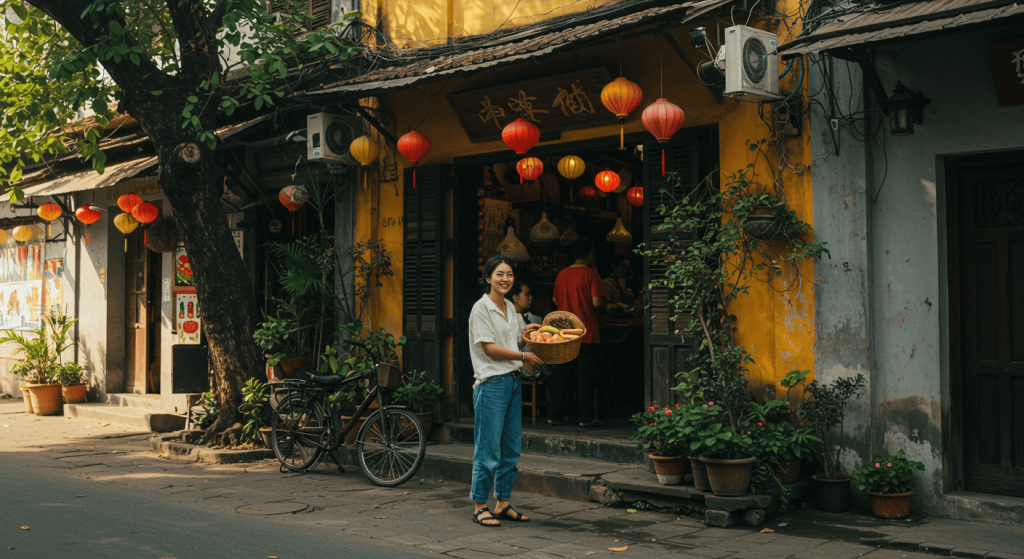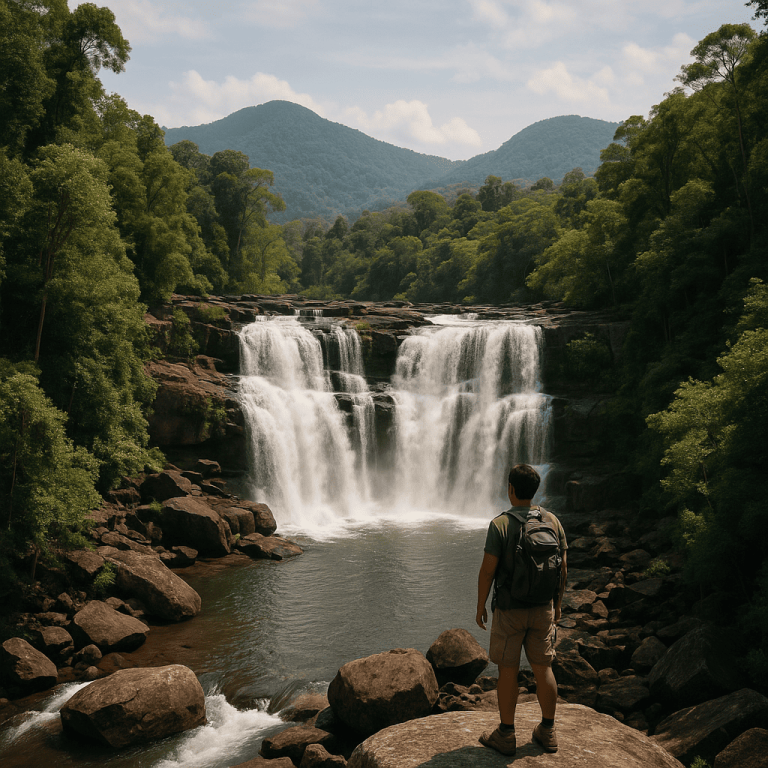
Komodo National Park diving pairs big-water drift dives with a walk among very real dragons. You can float along manta highways by morning and tread island boardwalks by afternoon, with land visits run as timed-entry, ranger‑led sessions on Rinca and Komodo[1]. Base in Labuan Bajo and choose fast day boats or a liveaboard depending on sea conditions and how far south you want to roam. Currents are part of the thrill here; good operators time entries to the tide. Below are six dives that repeatedly earn their reputation under the park’s rules, and line up neatly with a dragon trek on Rinca’s Loh Buaya or Komodo’s Loh Liang during your trip[1].
1. Riding the manta highway at Karang Makassar
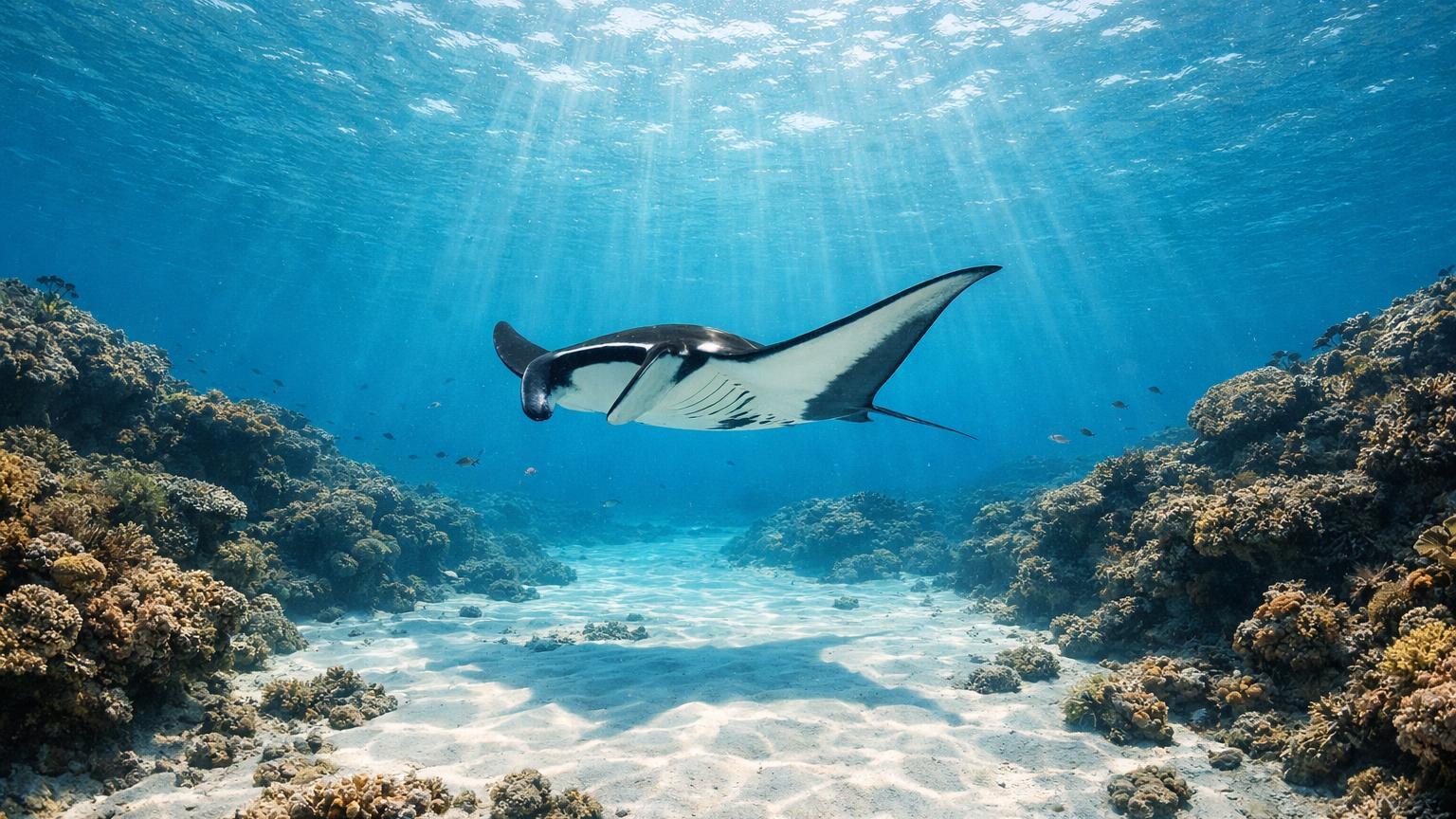
On Karang Makassar, a long, shallow reef flat channels plankton and life. It’s universally nicknamed Manta Point and lies in the broad pass between Komodo and Rinca, where you drift at 5–12 meters watching for silhouettes with five‑meter wingspans[2]. Sightings are possible year‑round, but nothing is guaranteed; plan for an easy drift and be delighted when the conveyor belt delivers[2]. Park rules ask divers and snorkelers to keep respectful distance and never chase or touch wildlife, which your guide will reinforce before you roll in[1].
The site works in most tides, though springs can kick up surprising speed. Crews brief a slow, low profile: hold to the side of cleaning stations, keep bubbles minimal, and let the animals choose the encounter[2]. Between manta passes, sand gardens of garden eels, eagle rays, and turtles keep cameras busy.
Good to know: How: Fast day boats from Labuan Bajo reach it on standard 3‑dive trips. Cost: around IDR 2,950,000–3,250,000 for a 3‑dive day as of 2026, gear and lunch included[3][4]. Dragons: Pair with a Rinca Loh Buaya boardwalk session; landings run in timed windows booked via your boat crew[5].
2. Mawan’s quieter cleaning station, linger with giants
Less busy than Makassar, Mawan is a manta cleaning station on a gentle slope where encounters can feel unhurried. Many trips alternate the two sites so guests see different manta behavior at similar depths[6][7]. Long‑running ID studies track individuals across Komodo’s manta triangle of Makassar, Mawan, and Manta Alley, which explains why your guide knows some by nicknames[8].
Expect a mix of hovering at the station and meandering along hard‑coral gardens. Current varies from mild to lively; briefings emphasize staying off the bommies so cleaners keep working. When the plankton thins, eagle rays, blue‑spotted stingrays, and turtles hold attention on the reef edge before the next fly‑by.
Good to know: How: Common on day boats; operators often pair Mawan with Pink Beach for surface‑interval swims. Best time: good all year, often calmer than Makassar[6]. Cost: day‑trip diving around IDR 3,050,000 as of 2026, excluding park ticket if your operator bills it separately[9]. Dragons: After diving, aim for Rinca’s Loh Buaya; elevated boardwalk viewpoints keep you safely above the action[10].
3. South‑side Manta Alley when the swell is right
At Komodo’s south tip, Manta Alley funnels cool, plankton‑rich water through rock alleys where mantas queue for cleaning. Divers visit all year, with the most reliable manta action in the wetter months of December to March when the Indian Ocean feeds the bay[11]. The topography is dramatic and currents are punchy, which is why many operators schedule the site when swell is manageable and visibility is green but alive[12].
You’ll drop along a wall, then settle near cleaning blocks as animals circle up‑current. On days without mantas, the site still delivers with reef sharks and schools of surgeonfish riding the surge. Briefings often call for negative entries, tidy buoyancy, and eyes on the guide’s SMB.
Good to know: How: Choose a liveaboard that explicitly includes south Komodo or a dedicated south‑day from Labuan Bajo when seas are kind[12]. Cost: mid‑range liveaboards typically run about USD 250–400 per person per night in 2026, including dives and meals[13]. Dragons: Combine your south dives with a ranger‑escorted dragon walk at Komodo’s Loh Liang on another day; naturalist guides are mandatory on the trekking trails[14].
4. Shot through The Cauldron, Komodo’s famous drift
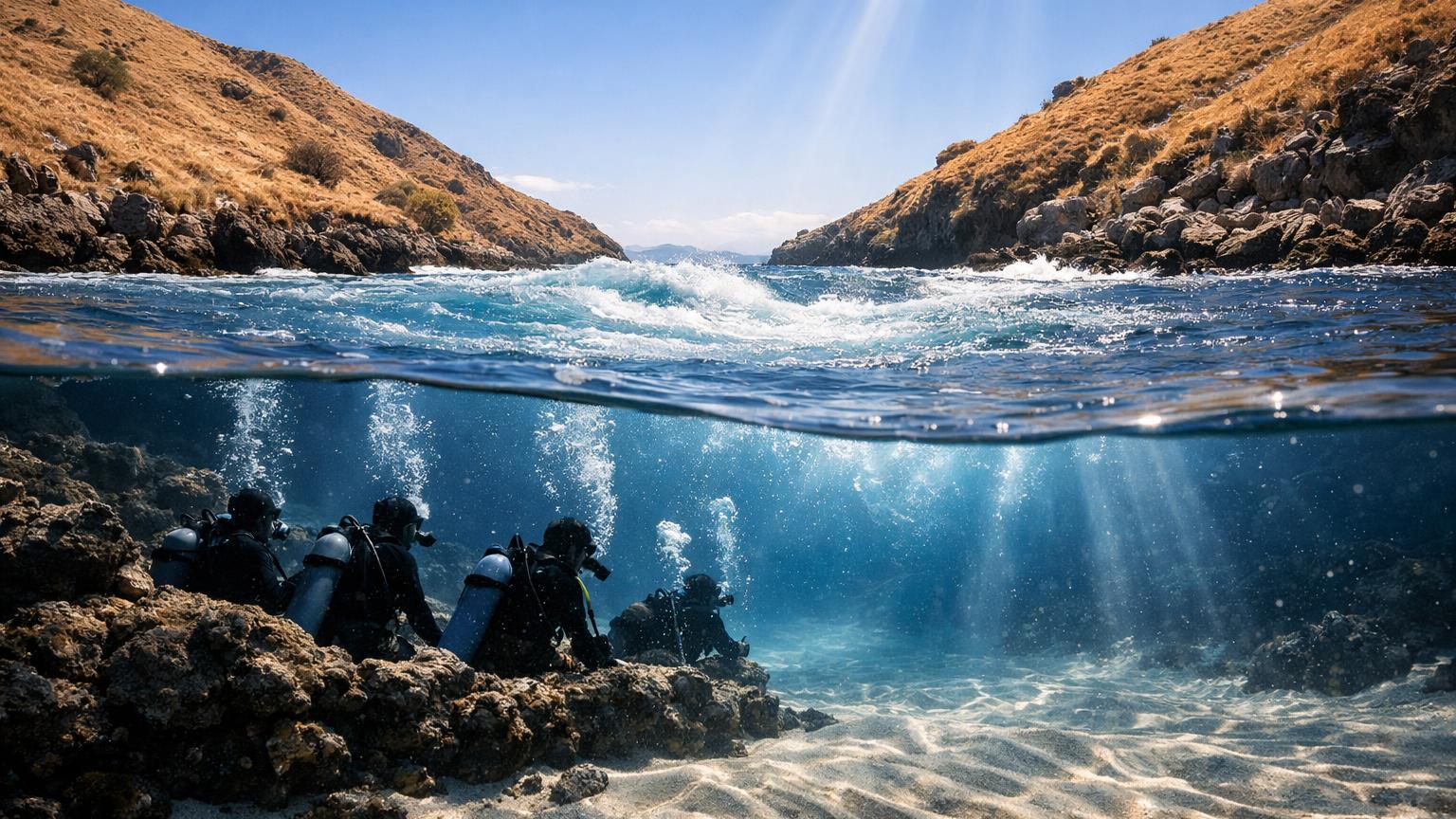
North Komodo’s headline thrill is The Cauldron, a narrow pass where current compresses into the “Shotgun” that fires you through a rocky bowl and out over a coral garden[15]. Incoming tides can run 3–6 knots here, so timing and a clean descent are everything[16]. The ride makes sense once you remember Komodo sits in the path of the Indonesian Throughflow, the Pacific’s water squeezing toward the Indian Ocean and accelerating in straits like this one[17].
Expect whitetip sharks resting in sand, colonies of garden eels vanishing as you skim by, and, on some days, mantas ghosting through the bowl. Guides brief keeping low in the bowl, swimming sideways out of any down‑current plume, and using the reef as a shield before the final blast over the lip.
Good to know: How: Reached on fast day boats or liveaboards; guides choose tide and direction. Cost: around IDR 2,950,000–3,250,000 for a 3‑dive day from Labuan Bajo as of 2026[3][4]. Dragons: If your day runs north, plan the dragon trek for the next afternoon’s session to avoid rushing the timed landings[5].
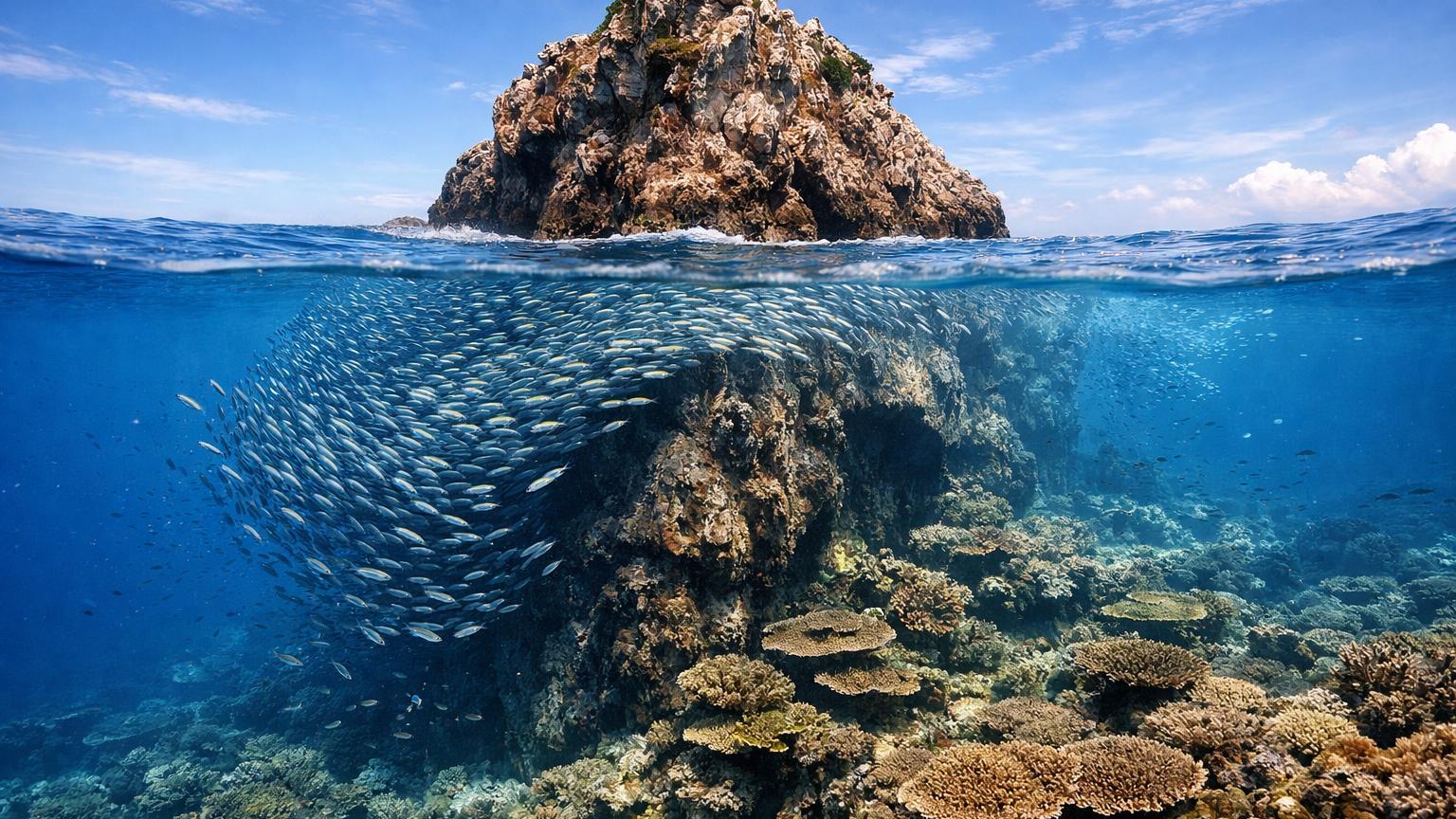
5. Batu Bolong’s fish tornado on slack tide
A jagged pinnacle from the surface to the deep, Batu Bolong is small above water and enormous below it. Currents hit from either side, so safe plans pick the lee and shoot for slack tide, when fish life swirls like confetti around the rock[18]. It’s often graded as advanced for its shifting flow and down‑current risk off the edges; reef hooks and tight buoyancy are the norm on busier days[19].
Drop onto hard‑coral terraces alive with anthias and surgeonfish; look for hawksbill and green turtles cruising the ledges and trevallies hunting in silver walls. Guides will call the turn the moment the tide tips, which is part of why this dive ends with smiles and big hand signals at the safety stop.
Good to know: How: Standard stop on central‑Komodo day boats. Fees: the park ticket for foreign visitors is set under Government Regulation No. 36/2024 at IDR 250,000 per person per day as displayed by the park authority; your operator will confirm what’s included on your date[20][21]. Dragons: Slot a Komodo or Rinca trek into the day’s timed sessions; you must follow ranger instructions on the trail[1].
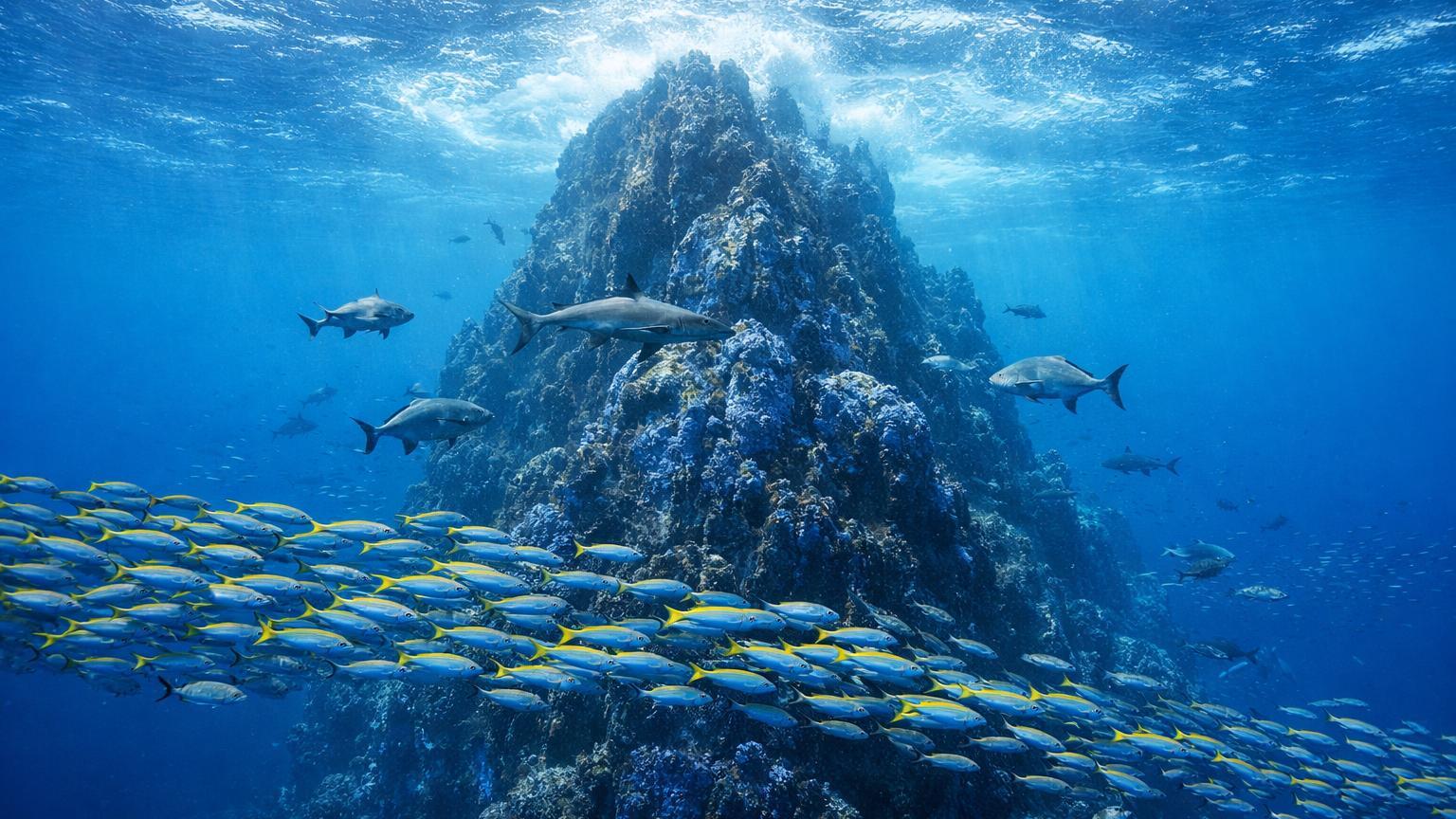
6. Castle Rock’s pelagic parade in north Komodo
Fully submerged and swept by tide, Castle Rock is a classic north‑Komodo seamount. Briefings often recommend Advanced Open Water and hook use, and entries are timed to slack so groups can hold the up‑current face where fish school densely[22]. Expect grey reef and whitetip sharks on patrol, big trevallies and snappers in the blue, and batfish stacking over fields of table coral on the shoulders of the rock[23].
When current pushes, guides may switch to a blue‑water descent to arrive on the current line together, then peel to the lee for a calm finish. It’s a wide‑angle dive that rewards patience: settle in, look out into the flow, and watch the parade come to you.
Good to know: How: Common on both day boats and liveaboards working the north. Cost: day‑trip diving prices from Labuan Bajo sit around IDR 2,950,000–3,250,000 for three dives as of 2026[3][4]. Dragons: Save energy for a timed Rinca or Komodo walk later in the day; the park runs land visits in defined windows, not free‑roaming hours[5].
Final thoughts
Komodo National Park diving rewards tide‑aware planning. Build manta‑friendly drifts into your mornings, then fit a ranger‑led dragon walk into the day’s timed windows, and you’ll go home grinning from both the blue and the savanna[1]. Pack patience, follow briefings, and let the park’s rhythm deliver the show.
Sources
- Protokol Kunjungan Wisata Alam - Komodo National Park (official rules) ↩
- Diving Manta Point (Komodo) – season & wildlife (Karang Makassar) ↩
- 3-Dive Day Trip Price — Blue Marlin Dive Komodo ↩
- Manta Dive Komodo — Day trip pricing (2026) ↩
- Harga Karcis & Daya Dukung Wisata — Balai TN Komodo (official) ↩
- Manta Rays in Komodo — Site roles and seasons (updated Oct 2026) ↩
- Mawan – Dive Site in Komodo | KomodoDiving ↩
- From Megafauna to Microplastics: manta site IDs in Komodo (Germanov) ↩
- Azul Komodo — 2026 diving price list ↩
- UNESCO Integrated Tourism Master Plan — Elevated Deck, Loh Buaya ↩
- Manta Alley — Dive Site in Komodo | KomodoDiving ↩
- Manta Alley Dive Guide — exposure, swell and season | Reefwander ↩
- Best Komodo Liveaboard 2026 — mid‑range USD 250–400/night | Komodo Resort ↩
- Peran Naturalis Guide di TN Komodo (naturalist guide required) ↩
- The Cauldron (Shotgun) Dive Site — Dragon Dive Komodo ↩
- What is The Cauldron/Shotgun really like? — DiveTribe Komodo ↩
- The Cauldron, currents and Throughflow — Neptune Liveaboards ↩
- Batu Bolong — Ultimate Guide | Dive Komodo (PADI 5*) ↩
- Diving Batu Bolong (Komodo) — WeManta site profile ↩
- Government Regulation No. 36/2024 (official tariff framework) ↩
- Komodo National Park Entrance Fees 2026 — Komodo Luxury ↩
- Castle Rock — PADI dive site page ↩
- Komodo Dive Sites 2026 — zones and site overview | Komodo Luxury ↩