If your passport had a nature page, NSW eco tourism would fill it with stamps. This is a state where glow worms light old rail tunnels and seals wave you into a marine sanctuary. These nine ideas span coast to outback, and they lean into conservation-friendly choices and small-footprint fun. You’ll find distances, rough costs and timing to help you actually plan, not just dream. Bring curiosity and a spare sweater; even rainforest pools can feel brisk once you get out. Ready to collect a few new wild moments? Let’s start where the cliffs fall away and the stars switch on.
1. Sandstone, ferns and a 1907 classic
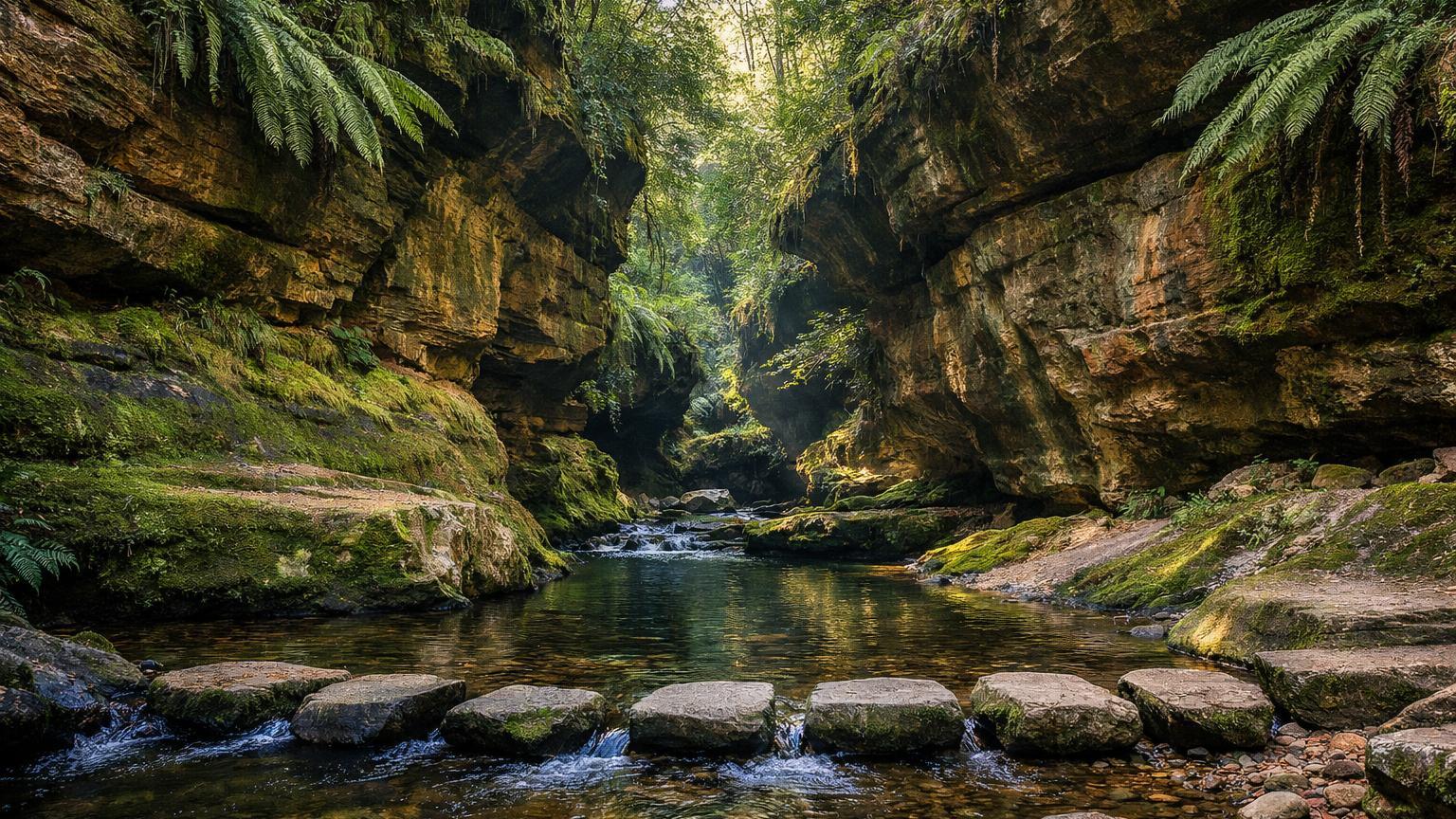
Carved steps drop you from heath into a cool, dripping canyon where tree ferns and waterfalls crowd the path. The Grand Canyon Track loops 6.3km and usually takes 3 to 4 hours, graded 3, so expect many stairs and a bit of puff on the exit climb[1]. Start at the signed Grand Canyon carpark near Blackheath and follow Greaves Creek through overhangs and stone ledges to Evans Lookout for the big valley view finale[1].
It’s one of those rare places where you feel deep in a canyon without ropes or abseils. After rain, it’s wetter and slipperier; on warm days, the spray off the falls is better than any hand-held fan. Pack a headlamp for the darker slots and take your time on the stepping stones. Leave no trace and give the lyrebirds the right of way.
Good to know: Getting there: Drive to the Grand Canyon carpark near Blackheath, signposted off Evans Lookout Road[1]. Best time: Mornings for quieter trails; avoid immediately after heavy rain due to creek levels[1]. Cost: No ticket for the walk. Insider tip: Walk clockwise so you finish with the big Grose Valley panorama at Evans Lookout[1].
2. Australia’s first Dark Sky Park, by the campfire
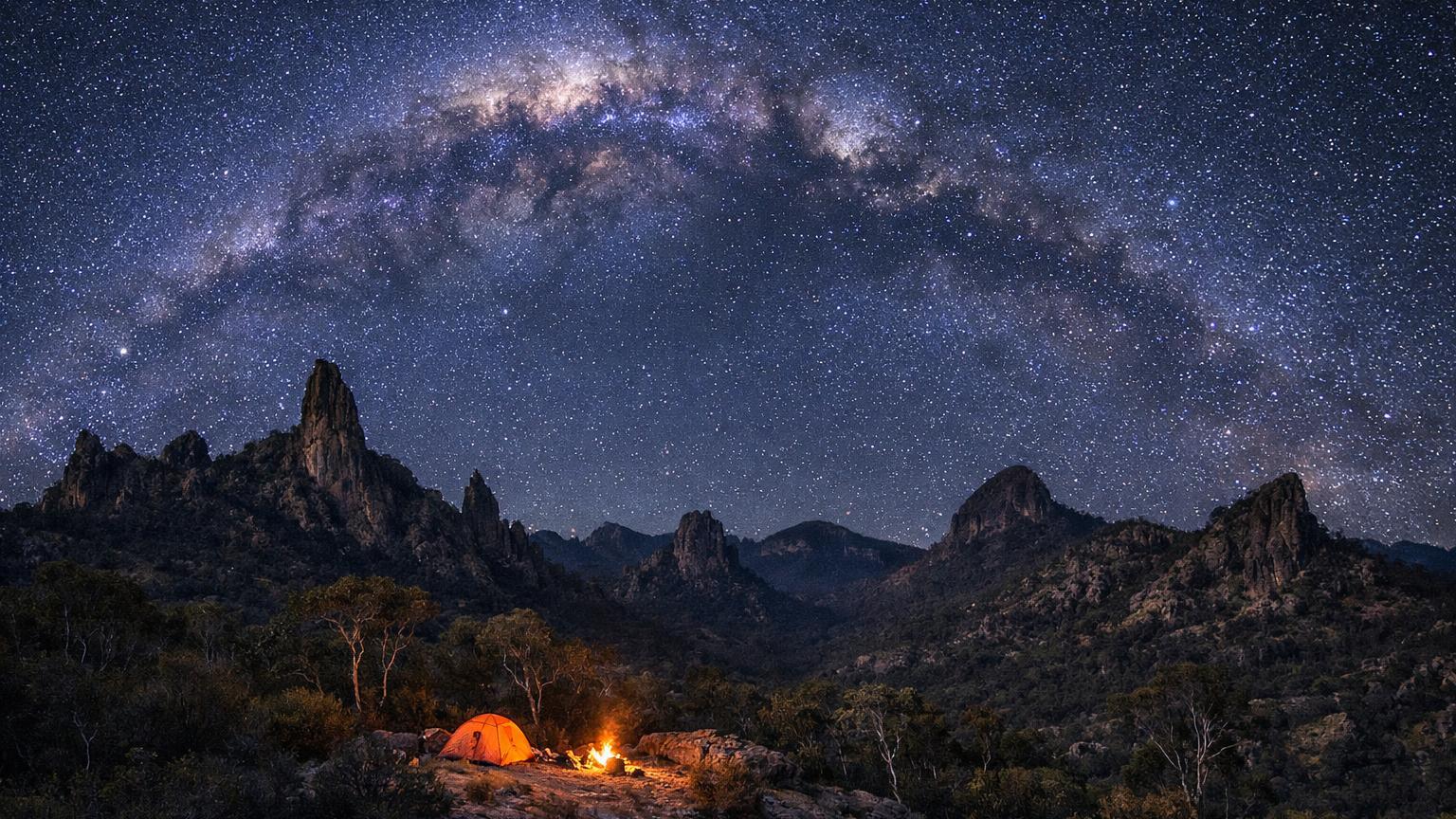
Out here the Milky Way is not subtle. Warrumbungle became Australia’s first International Dark Sky Park in 2016, protecting night skies around these volcanic spires and the nearby observatories[2]. You can simply step outside your tent for a free show, or join NPWS’ guided stargazing sessions that run in 2026, a gentle primer on what you’re seeing through telescopes and binoculars[3].
By day, visit Siding Spring Observatory’s visitor areas for exhibitions and a gallery in the Anglo-Australian Telescope dome. It’s open in daylight hours, closes at night, and can shut during severe weather, so check before you go[4]. Plan around the moon phase if you want the densest star fields; new moon weekends are glossy-black gold for skywatchers[3].
Good to know: Getting there: Base at Camp Blackman or nearby Coonabarabran, then drive to the Warrumbungle Visitor Centre for local advice[11]. Best time: New moon nights for darkest skies[3]. Cost: NPWS “Explore the Dark Sky” sessions are around $30 per adult as of 2026[3]. Insider tip: Pack a red-light torch to preserve night vision and your neighbors’ goodwill; it makes NSW eco tourism feel civilized[3].
3. Sydney’s underwater bushwalk
Trade hiking boots for fins on a signed, self-guided snorkel or dive. Concrete drums linked by a chain mark a 600m underwater trail with steel plaques introducing the marine life, and most divers take about 40 minutes to complete it in calm conditions[5]. The bay sits right off the coastal path between Clovelly and Coogee, so it pairs well with a cliff-top stroll and a bakery stop[6].
Go early when the water’s glassy and bring your own mask and snorkel. Conditions can change with swell and wind; visibility is best after a run of quiet weather. Stay off the fragile kelp and rocks between plaques, and keep a respectful distance from blue gropers and rays as they cruise the trail.
Good to know: Getting there: Walk the coastal path to the small beach at Gordons Bay; access from Clovelly or Coogee is straightforward[6]. Best time: Light morning winds and smaller swell days make for easier snorkelling[5]. Cost: The trail is self-guided and free[5]. Insider tip: Aim for mid-tide to reduce surge around the headlands, and bring a compact float for visibility.
4. A tunnel of tiny stars
A former 1900s rail tunnel now hosts thousands of glow worms. The return walk is about 6km on an easy-grade track through pagoda rock formations and forest to the mouth of the tunnel[7]. Recent upgrades made the precinct more resilient and visitor-friendly after fires and floods, and the site is open to visitors[8]. Inside, switch off white lights; a dim red beam keeps your footing sure without disturbing the glow worms[9].
Access roads and tracks can close after heavy rain. Always check park alerts before you travel and avoid driving the unsealed approach in wet weather unless your vehicle and skills are up to it[10].
Good to know: Getting there: From Lithgow, follow Glow Worm Tunnel Road to the carpark, then walk to the tunnel on the signed track[7]. Best time: Late afternoon for peak glow after dusk; avoid wet days for the drive[10]. Cost: Walking is free[7]. Insider tip: Bring a red-filtered headlamp and let your eyes adjust fully before you step into the dark—your reward is a galaxy on the walls[9].
5. Paddle with resident dolphins on glassy water
Jervis Bay’s calm, clear embayment is home to about 60 Indo‑Pacific bottlenose dolphins, seen year‑round alongside seals, seabirds and, in season, migrating whales[11][13]. Guided sea‑kayak tours make it easy to slip along the cliffs and beaches while keeping sensible wildlife distances.
A five‑hour Discover Jervis Bay sea‑kayaking tour runs at around $149 per person in 2026, including gear, a guide and a mid‑morning beach break[12]. Expect easy paddling with time to watch cormorants fish and—if you’re lucky—a pod of dolphins cruise past your bow. Dress for immersion, and remember the marine park rules protect animals first, photos second.
Good to know: Getting there: Tours meet in Huskisson; confirm your operator’s exact meeting point when booking[12]. Best time: Mornings are calmer; dolphin sightings happen year‑round[11]. Cost: Around $149 per person for a guided sea‑kayak tour as of 2026[12]. Insider tip: Pack a soft dry bag for a windbreaker and snacks; you’ll thank yourself on the beach stop.
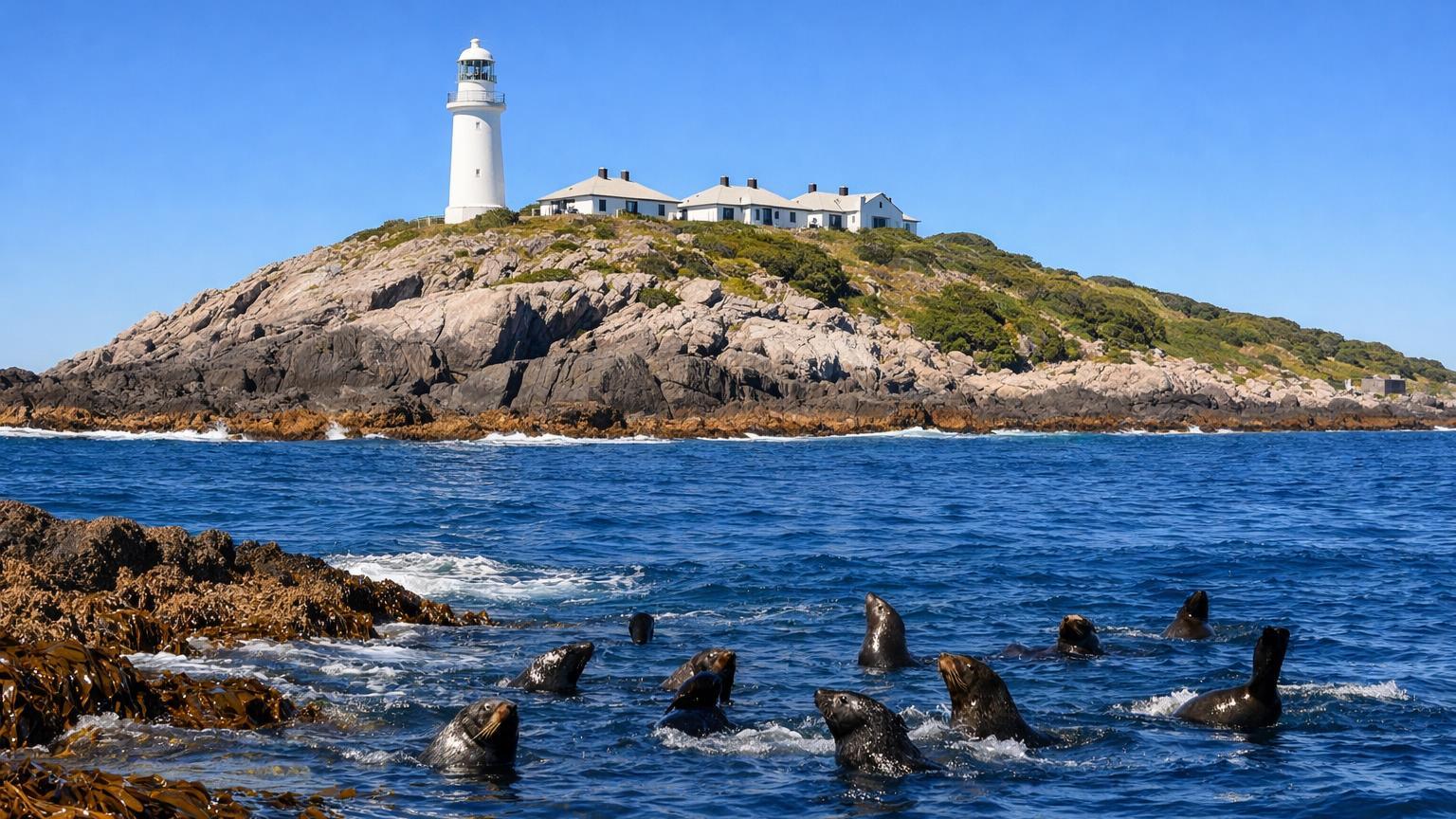
6. Seals, penguins and a working lighthouse island
Nine kilometres offshore, this protected island is all wildlife business: Australian fur seals, little penguins and seabirds share the rocky terraces. Public access is by authorised tour only, via NPWS‑contracted vessels from Narooma[14]. Many trips include a land tour of the 1881 lighthouse precinct and, in season, sunset penguin viewing; others add a guided snorkel with the resident seals.
A combined island landing and seal‑snorkel tour runs around $190 per adult as of 2026; morning and afternoon options vary with season and sea conditions[15]. It’s one of NSW’s most surprising low‑impact wildlife encounters, and a standout for NSW eco tourism fans who like their thrills with a conservation briefing.
Good to know: Getting there: Tours depart from Narooma wharf; bookings are essential and weather dependent[14][15]. Best time: Seal action is strong year‑round; penguins are seen September to January at sunset[15]. Cost: Around $190 per adult for island landing plus snorkelling as of 2026[15]. Insider tip: Wear snug wetsuits; seals stay playful longer when you float calmly and keep your fins low.
7. A 27°C river spring in the Snowies
Fed by a limestone spring, this emerald pool sits in a bushy bend of the Yarrangobilly River and holds a steady 27°C all year[16]. Reaching it is part of the fun: follow signs off the Snowy Mountains Highway and drive a one‑way unsealed road about 6km to the caves precinct, then walk down to the pool on the formed track[17].
It’s beautiful in winter when steam hangs in the cold air, and popular in summer after cave tours. Bring warm layers for the walk back up. A small, site‑specific vehicle fee applies here if you don’t already hold a Kosciuszko day pass or NPWS annual pass[18].
Good to know: Getting there: Follow the signed turn‑off on Snowy Mountains Highway to Yarrangobilly Caves, then to the Thermal Pool carpark[17]. Best time: Year‑round; aim for early morning or late afternoon for quieter swims[16]. Cost: A $4 per‑vehicle site fee applies at Yarrangobilly if you don’t have a broader Kosciuszko pass, as of 2026[18]. Insider tip: Wear river shoes; the lower pool’s rocks can be slick with algae.
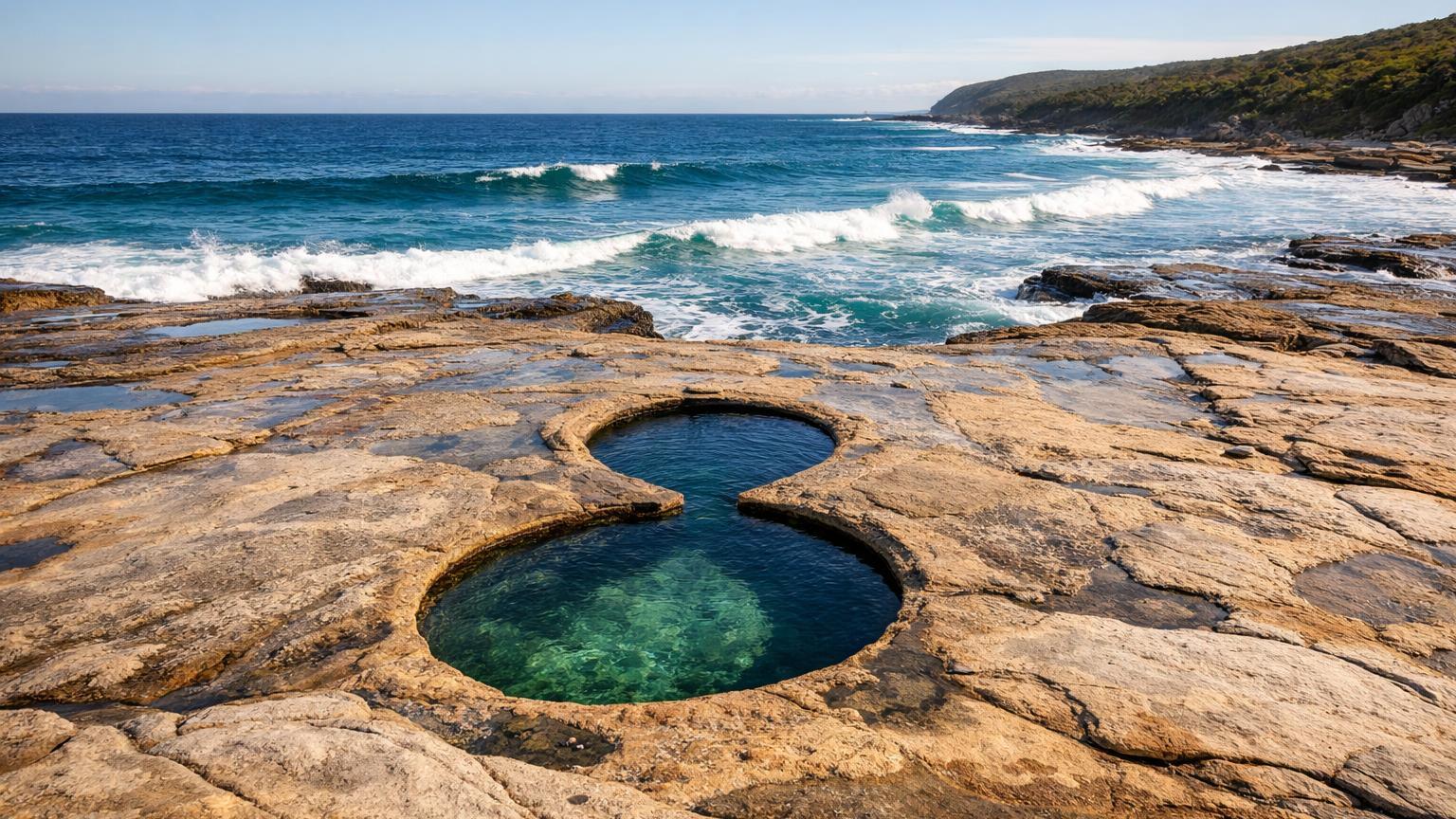
8. The tide‑timed infinity symbol
A natural rock shelf has etched a near‑perfect 8—but it’s only safe to visit at low tide and when the swell is calm and flat[19]. Start from Garawarra Farm carpark and allow for a 3km one‑way hike via Burning Palms Track; build in time to linger and time your return well before gates lock in the evening[19][20].
Bring grippy footwear for the algae‑slick platform, never turn your back on the sea and skip it entirely if conditions are doubtful. There’s no lifeguard on the rock shelf, and rescues here are not the kind you want to star in. A day‑use vehicle pass can be bought at machines or via the Park’nPay app at key carparks in the park[21].
Good to know: Getting there: Park at Garawarra Farm carpark and follow the signed trail to Burning Palms and the pools[19]. Best time: Only at low tide with calm surf; check conditions before you commit[19]. Cost: The walk is free; a vehicle entry day pass applies in Royal National Park[21]. Insider tip: Pack a small dry bag so you can wade a little without soaking your camera.
9. Surf a dune on Worimi Country
These shifting coastal mountains run for tens of kilometres, some over 30m high. You can join a licensed operator for unlimited sandboarding sessions on the big slopes, often reached by 4WD shuttle from Birubi Beach[24]. A popular one‑hour “Unlimited Sandboarding Adventure” is around $45 per adult as of 2026[23].
Driving your own 4WD? A Worimi beach vehicle permit is required, and conditions vary with wind and tide; many visitors skip the learning curve and let the pros do the sand driving instead[22]. Between runs, take in the sea views and the scale of the dune field—this is a landscape that reminds you why packing water, sunscreen and a hat is non‑negotiable.
Good to know: Getting there: Tours depart near Birubi Beach at Anna Bay; book ahead in school holidays[23][24]. Best time: Mornings and late afternoons are cooler and the sand is firmer. Cost: Around $45 per adult for unlimited sandboarding as of 2026[23]. Insider tip: Wear sunglasses with side coverage—wind‑blown sand is nobody’s souvenir[22].
Final thoughts
From canyon shade to island sun and star‑packed nights, these NSW eco tourism ideas cover a lot of ground without needing a passport officer. Pick two or three that fit your timing and season, check local alerts, and let nature do the heavy lifting.
Sources
- Grand Canyon track | NSW National Parks ↩
- Warrumbungle National Park celebrates 10 years as Australia’s first Dark Sky Park | NSW Environment and Heritage ↩
- Explore the Dark Sky | NSW National Parks (tour info and pricing) ↩
- Information for visitors & activities | Siding Spring Observatory (ANU RSAA) ↩
- Gordons Bay – Randwick City Council (Underwater Nature Trail) ↩
- Coastal Walkway – Randwick City Council ↩
- Glow Worm Tunnel walking track | NSW National Parks ↩
- Improvements allow Wollemi’s Glow-Worms to shine | NSW Government ↩
- Glow Worm Tunnel | NSW Government visitor page (safety and access) ↩
- Weather closures in Wollemi National Park including Glow Worm Tunnel | NSW Environment and Heritage ↩
- Dolphin and whale watching | Jervis Bay Marine Park (NSW DPI) ↩
- Sea Kayak Jervis Bay – Discover Jervis Bay Sea Kayaking Tour (price and details) ↩
- Jervis Bay Marine Park | NSW Government ↩
- Barunguba Montague Island Nature Reserve | Visitor info (access rules) ↩
- Narooma Charters – Montague Island Tours (prices, seasons) ↩
- Guide to New South Wales Karst and Caves (Yarrangobilly spring temperature) ↩
- Yarrangobilly area | Visitor info (road access) ↩
- Fee-collecting national parks (site fee for Yarrangobilly Caves) | NSW National Parks ↩
- Figure Eight Pools | Visitor info | NSW National Parks (safety, distance) ↩
- Figure Eight Pools | NSW National Parks (gates and general advice) ↩
- Day passes and Park’nPay | NSW National Parks ↩
- Beach Driving – Worimi Conservation Lands (permit info) ↩
- Port Stephens 4WD Tours – Unlimited Sandboarding Adventure (pricing) ↩
- Worimi sand boarding with 4WD Tours R Us | NSW National Parks (tour includes park entry) ↩