Ready to swap another beach club for a story you’ll still be telling next year? Greece eco tourism isn’t only olive groves and sea views; it’s also black vultures circling ancient pines, pelicans nesting in reedbeds, and waterfalls you can swim beneath. This guide rounds up eight lesser-known places where conservation and light-footprint fun go hand in hand. Expect short hikes, easy paddles, gentle rafting, and the odd plunge into a rock pool. Ferries knit these adventures together across islands and mainland, but schedules can flex with weather, so keep a buffer day in your plan. plains what you’ll see, how to get there, best seasons, and a ballpark cost as of 2026.
1. Where Black Vultures Rule the Thermals
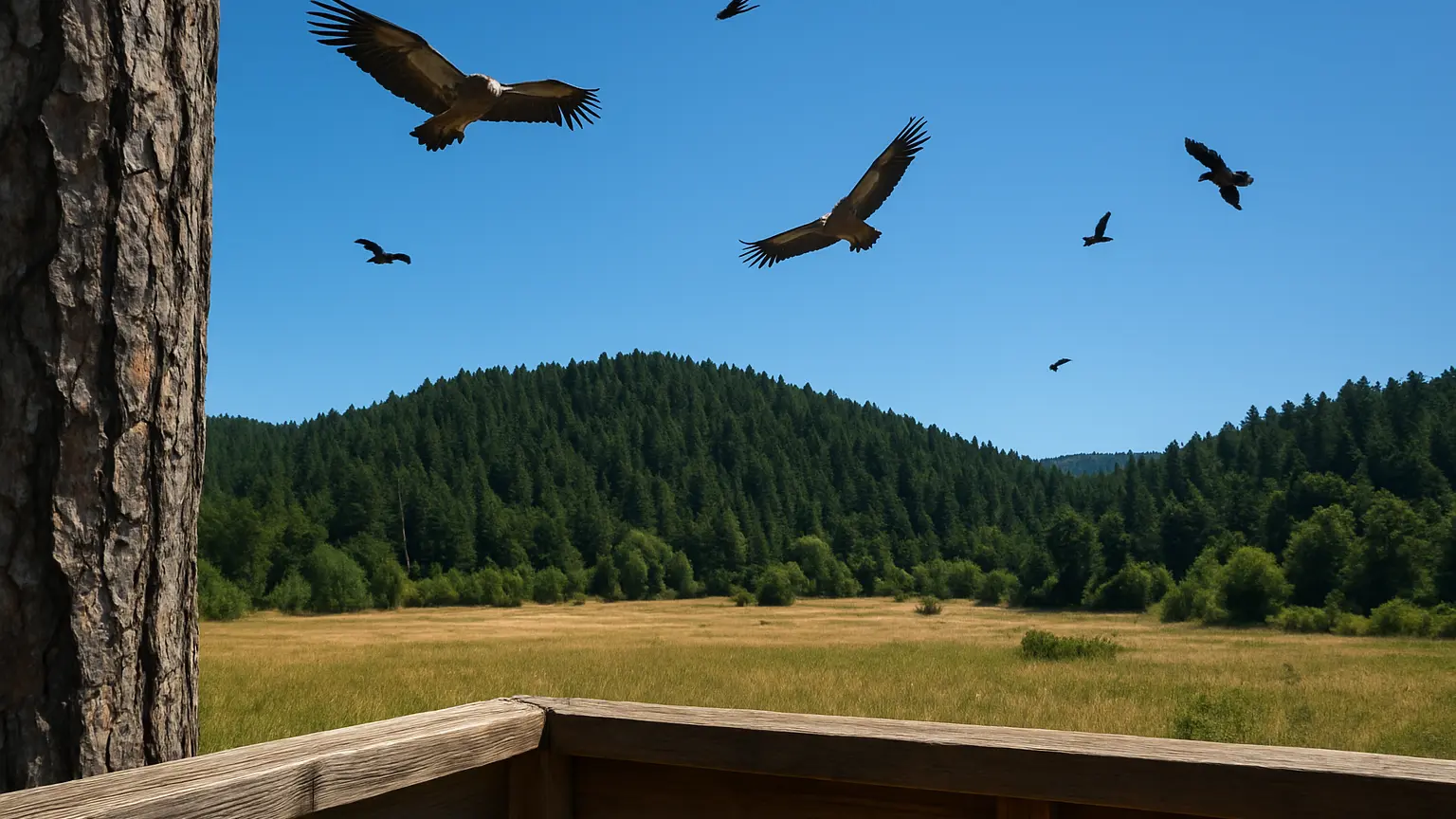
Raptors put on the show here. Dadia is one of Europe’s strongholds for vultures, hosting three of the continent’s four species and the Balkans’ only breeding population of cinereous (black) vultures. You watch them from an raptor observatory reached by a small park minibus, scanning the sky for the broad, dark wings that ride late‑morning thermals. The management unit publishes current visitor information and shuttle departures, making a half‑day visit easy to plan. (necca.gov.gr) After the 2023 wildfire, monitoring shows the colony rebounding, a hopeful turn that gives every sighting extra meaning. (4vultures.org)
Trails wander through oak and pine, with clearings where bee‑eaters flicker like confetti. Keep your eyes low as well as high: this forest harbors mammals and reptiles, not just headline birds. Begin at the information center for a short briefing, then ride up to the hide to settle in with binoculars and patience. When the first vulture tilts to land, the hide goes quiet in a way that feels ceremonial rather than hushed.
Practical tips: Drive from Alexandroupoli or Soufli; the park minibus runs several times daily from the information center to the observatory (confirm on the day). (necca.gov.gr) Best months are April to June and September for mild weather and active birds. Rough cost: guided day trips from Alexandroupoli run around €130 per person as of 2026; or visit independently and pay the center’s modest fees on site. (ramadaplazathraki.com) Insider tip: ask staff when the feeding site was last replenished; timing your hide visit soon after improves your odds of close views. (alexandroupolis.com)
Good to know: Drive from Alexandroupoli or Soufli; use the park minibus from the information center to reach the observatory (check departures that morning). Best months April–June and September. Rough cost: around €130 per person for a guided day trip from Alexandroupoli, as of 2026; independent visits incur small on‑site fees. Insider tip: ask rangers when the feeding site was last stocked to time your hide session. (necca.gov.gr)
2. Footbridge to a Pelican Kingdom
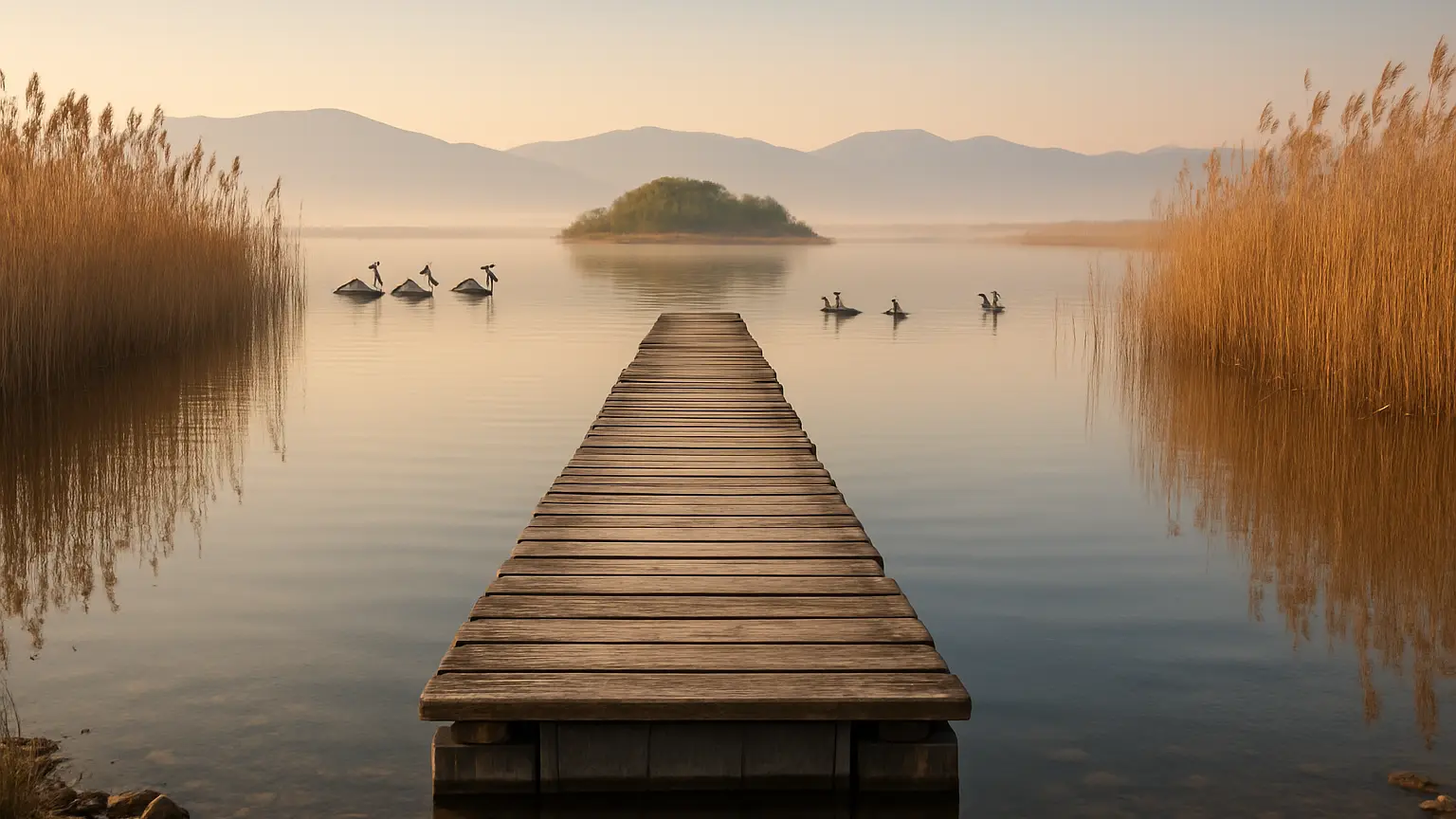
Prespa feels quietly epic: two high‑altitude lakes ringed by mountains and reedbeds teeming with birdlife. Walk the 630‑meter floating footbridge to tiny Agios Achilleios island, where ruins of a 10th‑century basilica sit amid grazing meadows and views that run the length of the Lesser Prespa. (visitprespes.gr) The Greek sector is managed by the national protected‑areas agency with a base in Agios Germanos, and long‑time local partners track and protect Prespa’s famous Dalmatian pelicans. (necca.gov.gr)
On Great Prespa, boats leave from Psarades village to rock‑cut hermitages and Byzantine paintings you can only see from the water. Expect calm water, cliffs echoing with swallows, and the occasional pelican skimming past like a low‑flying boat. Tours are offered much of the year, weather permitting, and feel like natural‑history classes with an engine. (visitprespes.gr)
Practical tips: Base yourself in Agios Germanos or Psarades and bring binoculars. Spring and early summer are ideal for pelican activity; September is gloriously calm. Rough cost: boat trips from Psarades typically run around €25–35 per person for 2–3 hours as of 2026. (konge-treks.com) Insider tip: walk the footbridge at dusk for mirror‑still water and herons hunting by the reedbeds.
Good to know: Stay in Agios Germanos or Psarades; bring binoculars. Best time May–June for breeding activity or September for settled weather. Boat trips from Psarades cost around €25–35 per person (2–3 hours) as of 2026; pay cash at the pier or book via local operators. Insider tip: stroll the Agios Achilleios footbridge at sunset for soft light and birdlife. (konge-treks.com)
3. Dive the Parthenon of Shipwrecks
This is Greece’s pioneering marine protected area and refuge for the Mediterranean monk seal; it also hosts the country’s first living underwater museum at the Peristera shipwreck, a 5th‑century BC merchant vessel often called the “Parthenon of shipwrecks.” (alonissos.gr) Certified divers can visit the Underwater Museum with a local center, while non‑divers explore the story at the hilltop Information Center and through VR exhibits in Alonissos Chora. (museum.alonissos.gov.gr)
Planning is straightforward: the museum’s portal lists dive centers and logistics; Alonissos’ municipal site explains the park’s scope and why it matters. (museum.alonissos.gov.gr) Ticketing has two parts: the museum’s on‑land center has a small admission, and actual dives carry a separate state fee administered by underwater‑antiquities authorities, added to your dive‑shop rate, as of 2026. (visitgreece.gr)
Practical tips: Reach Alonissos by ferry via Skiathos or Skopelos. Calm seas and warm water make June to September ideal. Rough cost: museum info‑center admission around €6; guided dives are priced by local operators and include an additional €50 state fee for the Underwater Museum, as of 2026. (visitgreece.gr) Insider tip: not diving? The VR “virtual dive” at the Information Center is surprisingly immersive and a smart eco choice on windy days. (museum.alonissos.gov.gr)
Good to know: Ferry to Alonissos via Skiathos/Skopelos; book dives with a local center in advance. Best time June–September. Budget around €6 for the on‑land info center and note the €50 state fee added to dive‑center pricing for the Underwater Museum (as of 2026). Insider tip: try the VR “virtual dive” in Alonissos Chora if seas are rough. (visitgreece.gr)
4. Waterlilies and Buffalo on the Mirror Lake
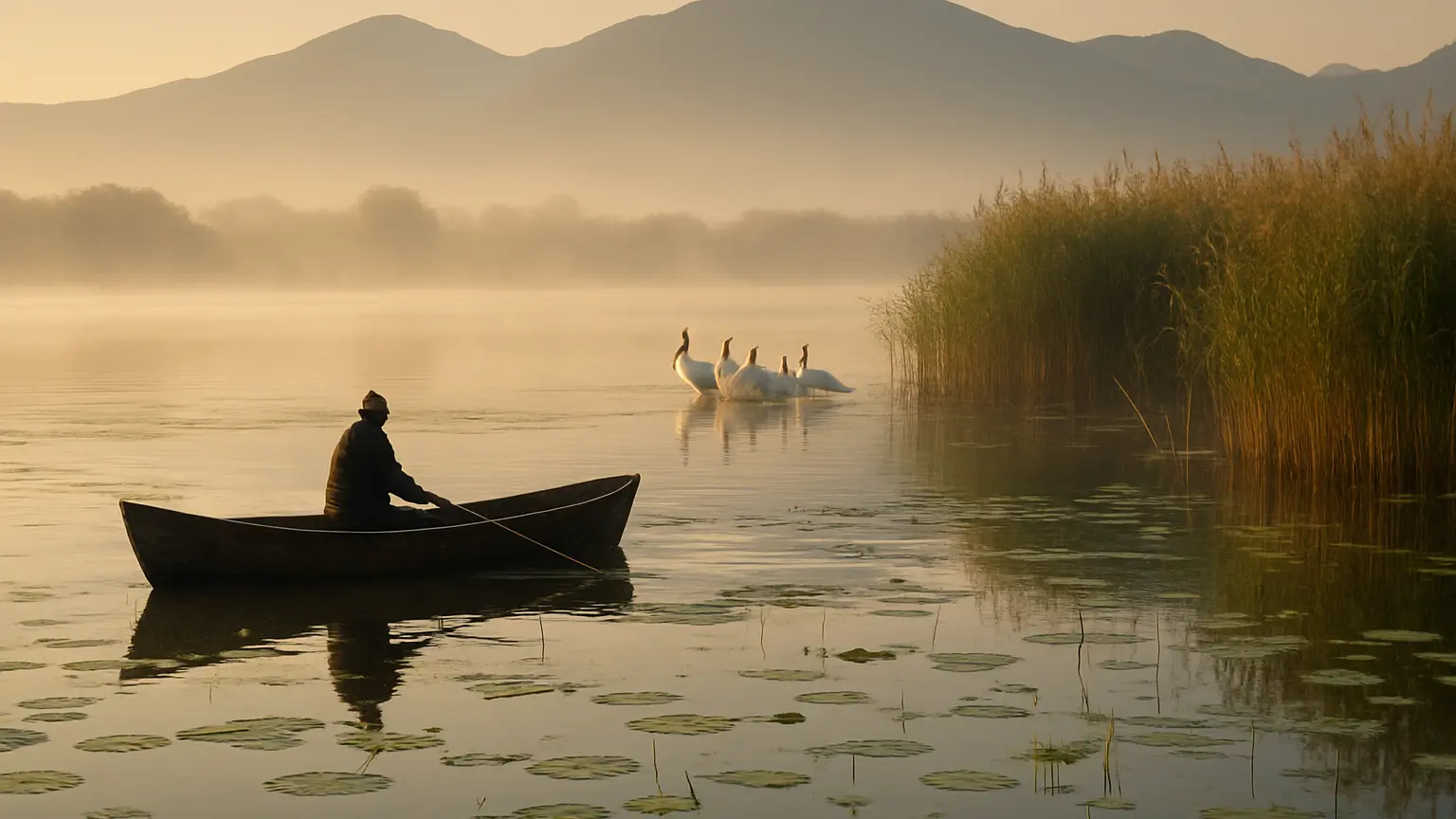
Created as a reservoir and re‑wilded by time, Kerkini is now a wetland star. In spring and autumn the lake brims with herons, cormorants and pelicans, while stands of waterlilies pattern the surface. It’s also home to Greece’s largest population of water buffalo, often seen browsing at the fringes. The park’s information center in Kerkini village is your first stop for maps and sightings. (necca.gov.gr)
Traditional flat‑bottomed boats called plaves ferry birdwatchers silently along reed‑lined channels. Short cruises run throughout the day and are an easy, low‑impact way to get eye‑level with pelicans and grebes. A half‑day here pairs well with a visit to nearby thermal springs if you’re mixing spa and binoculars, which seems a very Greek plan.
Practical tips: Two‑hour drive north of Thessaloniki; visit April–May for nesting or October–November for migrants. Expect around €10 per adult for a 45‑minute plaves ride as of 2026; longer private birding trips cost more. (driverstories.gr) Insider tip: sunrise departures often mean glassy water, soft light, and the cleanest pelican portraits of your trip.
Good to know: Drive from Thessaloniki; start at the Kerkini Information Center for updates. Best in April–May and October–November. Budget around €10 per adult for a 45‑minute plaves cruise as of 2026; longer guided boat trips are extra. Insider tip: book a dawn outing for calm water and close pelican views. (necca.gov.gr)
5. An Island Powered by Sun, Wind and Good Habits
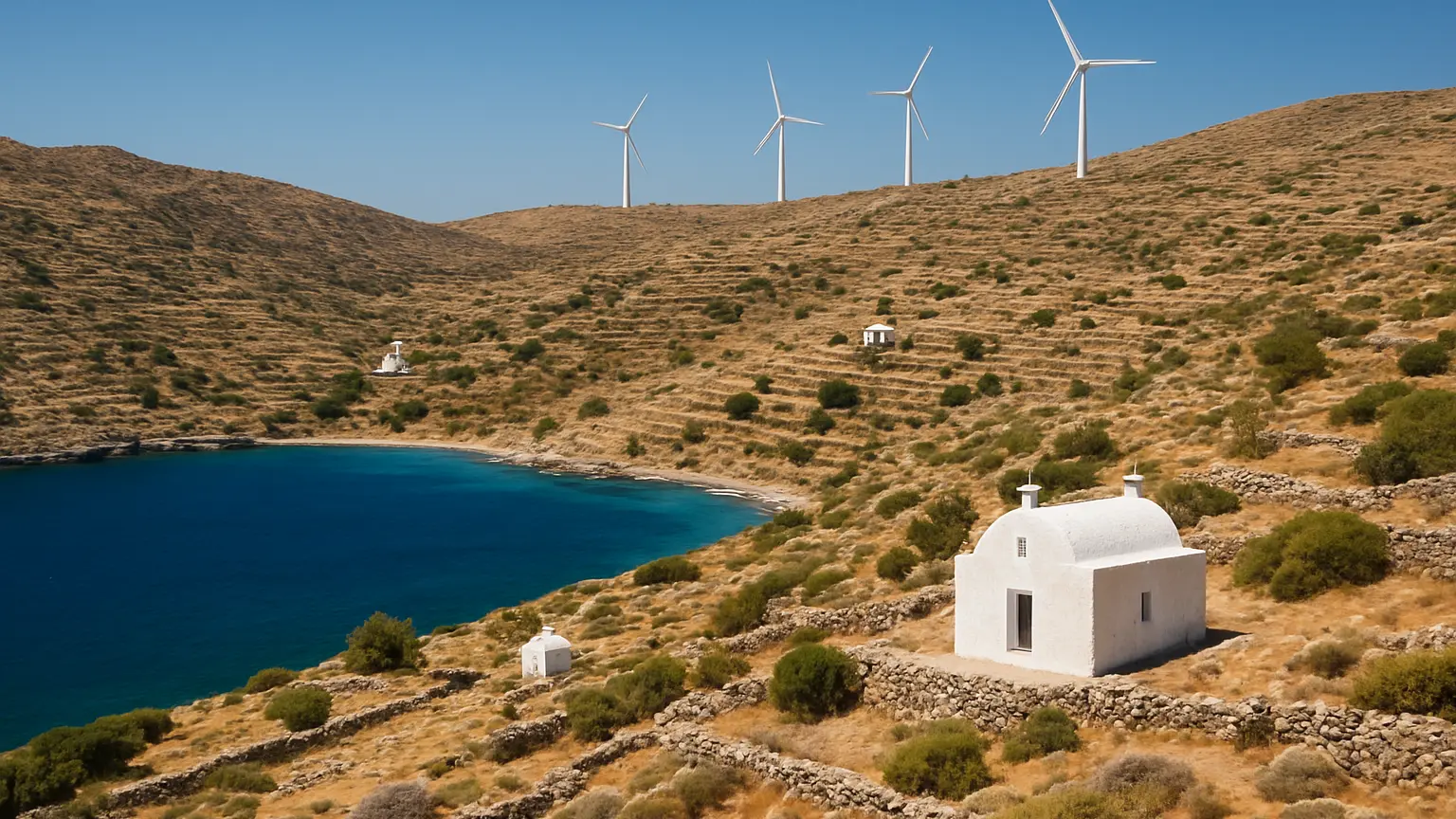
Tilos turned sustainable living into a community project. First came a hybrid micro‑grid of wind and solar with battery storage, cutting diesel dependence; then a whole‑island circular‑economy program that made Tilos Greece’s flagship for zero‑waste practices. (eunice-group.com) Trails crisscross the island between stone hamlets, monasteries, and pocket coves, so it’s easy to swap beach time for short ridge walks and birdwatching. The municipality publishes concise walking routes, and recent hiking maps name‑check 40‑plus kilometers of paths.
This is Greece eco tourism you can feel underfoot: glass and paper sorted at source, food waste turned to compost, and visitors gently nudged to refill bottles and say no to disposables. If the only thing you take home is the habit of rinsing your yogurt pot before recycling it, Tilos will count that as a win. (tilos.gr)
Practical tips: Reach Tilos by ferry from Rhodes on Dodekanisos Seaways and other lines; crossings typically take under two to four hours depending on the vessel and stops. Fares start around €12 as of 2026. (12ne.gr) Best seasons are April–May and September–October for hiking. Rough cost: trail access is free; buy a good map for a few euros on arrival. Insider tip: the island’s Just Go Zero system collects sorted waste door‑to‑door, so ask your host for the current color‑coding and join in. (justgozero.com)
Good to know: Ferry from Rhodes with Dodekanisos Seaways and others; typical crossing 1 h 50 m to about 4 h depending on stops, with fares from around €12 as of 2026. Visit in April–May or September–October for hiking weather. Trails are free; pick up a hiking map locally. Insider tip: follow the island’s ‘Just Go Zero’ sorting system and refill water bottles—small habits matter here. (12ne.gr)
6. Swimmable Waterfalls in a Wild Island Heart
Granite peaks, hot springs, and a river that tumbles to the sea: Samothraki’s Fonias Gorge is a natural waterpark sculpted by time. A waymarked trail from the seaside bridge winds under plane trees to emerald pools and a first cascade where many hikers stop to swim. Stronger hikers and guided parties continue up to higher falls and blue basins. (samothraki.com)
If you want more adrenaline, local guides run canyoning descents with abseils and plunge pools; you’ll earn your lunch and the photos. Expect a half‑day of instruction, hiking, and ropework through sculpted rock, with all safety gear provided. As of 2026, published prices for the classic Fonias descent start around €85 per person. (experiences.visit-drama.com)
Practical tips: Base in Therma for hot‑spring soaks and easy trail access. Visit late May–June or September for cooler hiking and good flow. Rough cost: the hike itself is free; guided canyoning from about €85 per person as of 2026. (samothraki.com) Insider tip: wear grippy footwear you don’t mind getting wet; smooth rocks by the pools are beautiful and famously slippery.
Good to know: Stay in Therma for hot springs and quick access to trailheads. Best time late May–June or September. The hike to the first falls is free; guided canyoning descents typically start around €85 per person (gear included) as of 2026. Insider tip: bring water shoes or grippy trainers—the polished rocks are slick. (samothraki.com)
7. Raft a Spring‑Blue River Under Stone Bridges
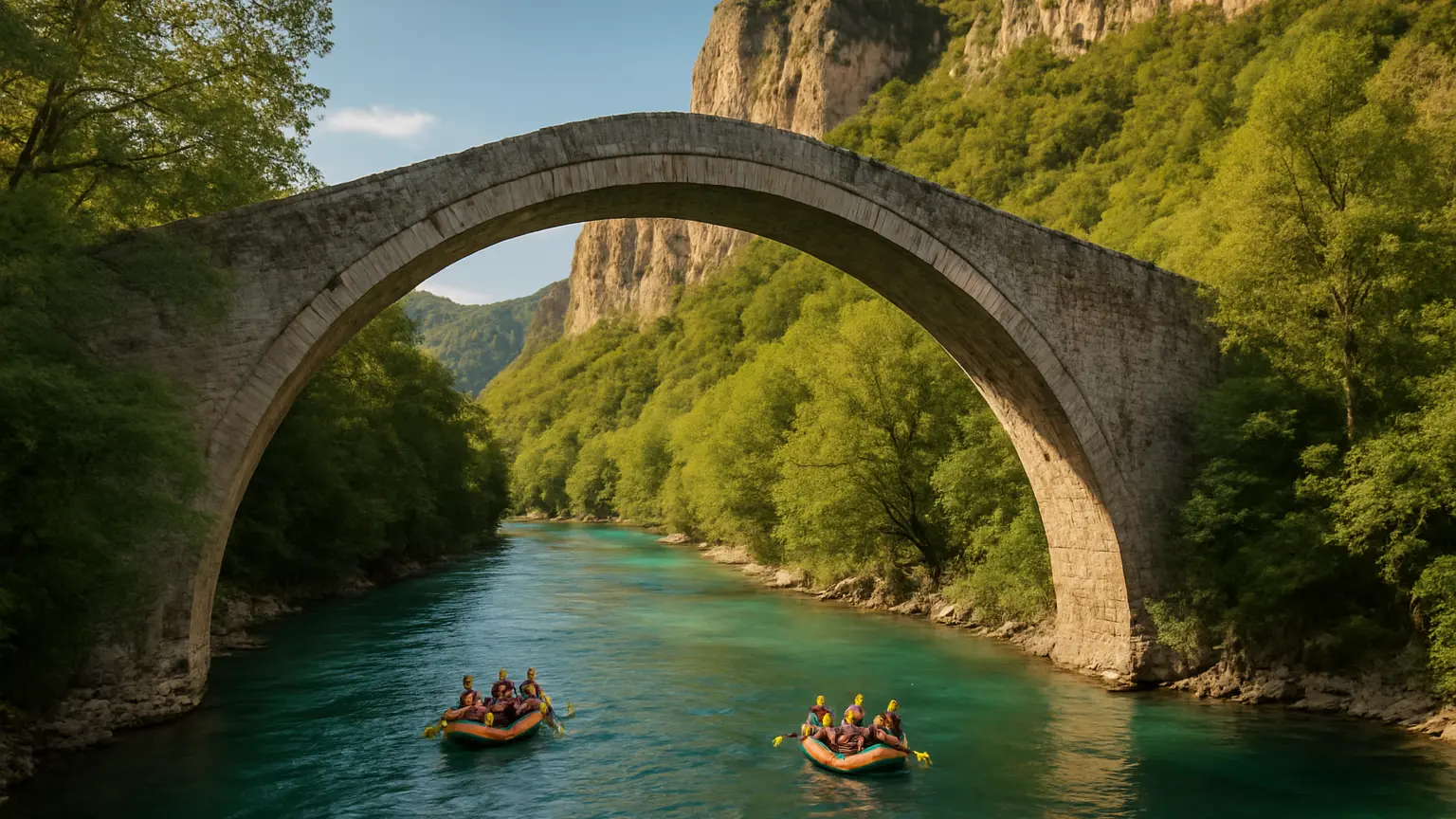
The Voidomatis flows cold, clear and improbably blue through the Vikos–Aoös National Park, past arched stone bridges and under forests that glow in spring and autumn. It’s ideal for first‑time rafters: short class‑II runs, lots of scenery, and quick access from Zagori villages. Local outfitters run guided descents that are as much nature tour as splashy adventure. (visitgreece.gr)
You can combine rafting with a hike in Vikos Gorge, one of Europe’s great walks. Trails between Monodendri, Vikos and Papigo offer 4–6‑hour options with huge limestone walls for company. The geopark website posts routes and times so you can plan a one‑way hike with a taxi at the other end. (vikosaoosgeopark.com) Prices for rafting in 2026 commonly sit around €40–55 per person, including all gear and a guide. (zagori-outdoor.gr)
Practical tips: Base in Aristi, Papigo or Monodendri. Go April–June for higher flows or September–October for color and stable weather. Rough cost: €40–55 per person for a 2–3‑hour guided descent as of 2026. Insider tip: pack a swimsuit even if it’s cool; a quick dip at the trip end near the Kleidonia bridge is a rite of passage.
Good to know: Stay in Aristi, Papigo or Monodendri. Best seasons April–June and September–October. Expect €40–55 per person for a family‑friendly guided descent (gear included) as of 2026. Insider tip: after rafting, detour to a Vikos viewpoint near Oxya for the canyon panorama before dinner. (zagori-outdoor.gr)
8. Canoe a River That Draws Maps in Sand
Seen from the ridge‑top observatory, the Nestos scribbles giant S‑curves into its floodplain before slipping to the Aegean. Down on the water those meanders become a calm canoe route with kingfishers for company and sandbars perfect for picnic stops. The protected area covers both the Straits (gorge) and the delta, managed by the regional unit of Greece’s protected‑areas agency. (en.fd-nestosvistonis.gr)
Local outfitter Riverland runs short family‑friendly paddles and full‑day kayak trips through the Straits, with shuttles that solve the one‑way logistics so you can simply float and watch rollers of forest pass by. As of 2026, short tours are priced around €20–25 per adult, while full‑day trips start near €75. (experiences.pameathens.com) If you’d rather walk, a section of the E6 long‑distance trail follows the river, with viewpoints that show the meanders like living cartography. (discovergreece.com)
Practical tips: Aim for May–June or September–October for mild temperatures and settled flows. Rough cost: €20–25 per adult for short canoe/kayak outings or about €75 for full‑day trips as of 2026. Insider tip: combine a morning paddle with the ridge‑top Nestos observatory for a bird’s‑eye of the route you just traced on the water. (experiences.pameathens.com)
Good to know: Base in Toxotes or Xanthi. Visit in spring or early autumn. Expect €20–25 per adult for short canoe/kayak tours or around €75 for full‑day trips (as of 2026). Insider tip: after paddling, drive to the Nestos observatory for a photo of the meanders you just navigated. (experiences.pameathens.com)
Final thoughts
Eco adventures in Greece can be as gentle as a lily‑pad boat ride or as lively as a canyon rappel. With ferries, buses and good local guides, you can string several of these trips into one rewarding route—and help conservation by spending with the parks and communities that protect them. That’s Greece eco tourism at its practical, life‑changing best.