Discover Cambodia’s Coastal Khmer Trail: A Delightful Journey Off the Beaten Path
Cambodia’s coastline, often overshadowed by the majestic temples of Angkor, holds an alluring charm all its own. The Coastal Khmer Trail, less traveled by international crowds, is a treasure trove of secret villages where time seems to slow down. These quaint coastal communities showcase Cambodia’s authentic seascape life, rich culture, and unspoiled natural beauty. Venturing beyond bustling beach towns, visitors find peaceful villages offering fresh seafood, serene beaches, classical Khmer architecture, and heartfelt local traditions. Whether you are a slow traveler or a curious explorer, these hidden gems along Cambodia’s coastal trail promise a refreshing escape from the tourist trail. Here are five secret villages worth lingering in to savor the soul of Cambodia’s coast.
1. Koh Totang: An Island of Serenity and Traditional Village Life
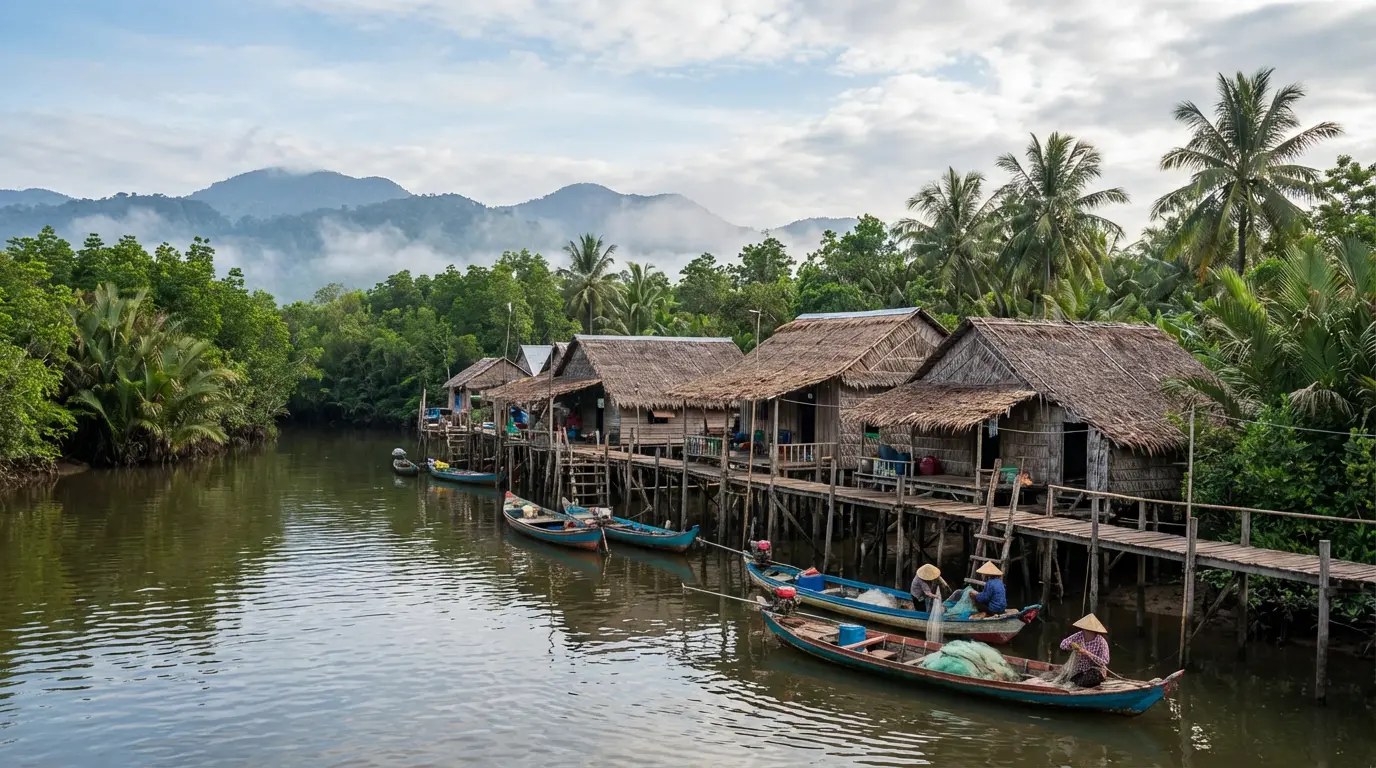
Tucked away quietly in the Gulf of Thailand, Koh Totang is a remote island village that epitomizes tranquility. Unlike the more commercialized Cambodian islands, Koh Totang remains largely undeveloped, preserving its traditional fishing community lifestyle. The village features wooden stilt houses perched above the clear turquoise waters, and daily life revolves around small-scale fishing and farming.
Visitors to Koh Totang can enjoy walking along untouched white sand beaches away from crowds, spotting vibrant coral reefs just offshore, and discovering the simplicity of local Khmer culture. The island is great for snorkeling and kayaking, with few tourists interrupting the calm pace. Being off the main tourist track means accommodations here are humble guesthouses or small family-run bungalows, perfect for travelers who truly want to slow down and immerse in authentic coastal village life.
Practical tip: Bring cash as ATMs are nonexistent, and stock up on supplies before arriving. Travel here mainly by boat from Kampot or Sihanoukville, with local boat operators providing arrangements.
2. Koh Russey: The Bamboo Island’s Hidden Charms
Known locally as Bamboo Island, Koh Russey is a serene spot known for its lush greenery, swaying bamboo forests, and gentle sea breezes. The small village here is famed for its eco-friendly vibe and close-knit community. Though it sees more visitors than the deeper secrets like Koh Totang, it retains a quiet, laid-back feel due to limited development.
The village features charming wooden houses and simple fishing docks where anglers bring in the day’s catch. Bamboo weaving and traditional crafts are still practiced here, giving travelers a chance to witness Khmer artisans at work. Unlike Cambodia’s busier coastal towns, Koh Russey combines the allure of island solitude with opportunities to experience traditional coastal livelihoods.
Local culinary delights revolve around freshly caught seafood prepared Khmer-style: try the amok fish curry or grilled river prawns. Numerous small family-run eateries use organic produce sourced nearby.
Travel tip: Arrange boat transfers from Sihanoukville’s Serendipity Beach or Kampot; a day-trip or overnight stay is ideal to soak in the sunset views and village rhythms.
3. Kampong Som Village: A Proud Fishing Community with History
Close to Cambodia’s main southern port city, Kampong Som Village offers a unique glimpse into an authentic Khmer fishing lifestyle rooted in history. While the nearby city of Sihanoukville buzzes with development and tourism, Kampong Som remains a village of modest homes and bustling fish markets where locals buy and sell the day’s catch.
Wandering through the narrow lanes, visitors can see colorful longtail boats anchored along the shore and fishermen mending nets. The village’s cultural fabric includes Buddhist temples where residents gather for festivals and ceremonies—a wonderful insight into Cambodian spirituality away from the tourist crowds.
Fishing here is primarily artisanal and sustainable, maintaining traditions passed down generations. Nearby beaches are quiet and less frequented, ideal for contemplative strolls or early morning fishing observation.
Visitor advice: Explore by rented bicycle or motorbike for easy access. The village is accessible by road from Sihanoukville, just a short drive away.
4. Kep Kep: Coastal Village Known for Crabs and Colonial Charm
Though Kep is gaining fame for its relaxing beach vibe and delicious seafood, its surrounding villages retain a strong sense of old-world charm. These communities showcase French colonial influences, with weathered villas slowly being restored alongside traditional Khmer stilt houses.
Kep village life revolves around the famed Crab Market where fishermen bring in freshly caught blue crabs, a must-try delicacy. Beyond this, the village offers serene coastal walks with panoramic vistas of the Kep National Park and nearby islands. Forest trails perfect for nature lovers weave through the hillsides, revealing local flora and fauna.
Cultural highlights include visits to small groves of temples and pagodas where villagers participate in age-old Buddhist festivals. Peaceful yet rich in heritage, Kep’s villages are prime spots to engage with elders and artisans maintaining Khmer traditions.
Travel recommendations: Stay in locally run guesthouses that support community projects. Visit the Crab Market early morning for the freshest seafood.
5. Ream Village: Gateway to Nature and Marine Diversity
Located at the outskirts of Ream National Park, Ream Village is the perfect base for those seeking both cultural experience and natural wonders. This coastal fishing village works in harmony with the adjacent protected marine and terrestrial ecosystems.
The community depends heavily on fishing but is also involved in ecotourism initiatives supporting conservation efforts. Travelers can embark on guided boat tours from the village to explore mangrove forests, secluded beaches, and coral reefs teeming with marine life.
The village offers a window into everyday Khmer life, from traditional boat building to fishing methods using bamboo traps and nets. Ream is also renowned for its hospitality, with homestays welcoming visitors to share meals and stories.
Travel tip: Coordinate tours through local guides to include a trek in Ream National Park combined with village visits. Best visited during the dry season (November to March) for excellent weather.
Wrapping Up Your Coastal Khmer Trail Adventure
Exploring the secret villages along Cambodia’s Coastal Khmer Trail provides an authentic Portuguese of the country’s rich coastal heritage and natural beauty. From quiet fishing islands to historic colonial villages and peaceful bayside communities, each spot invites you to slow down and savor the unhurried rhythm of Khmer coastal life. Traveling thoughtfully with respect for local cultures and environments enriches your experience and supports sustainable tourism in this lesser-known region. So, pack your bags, embrace the coastal breeze, and discover these hidden village gems that await along Cambodia’s stunning shorelines.
This comprehensive guide offers practical details and insider insights to help you plan a memorable journey through Cambodia’s coastal treasures. Whether it’s the snorkel-ready reefs off Koh Totang, the bamboo crafts of Koh Russey, the vital fish markets of Kampong Som, the crab feasts in Kep, or the nature-trails from Ream Village, these destinations flood your Cambodia travel with authenticity and charm .