Uganda’s Bwindi Impenetrable Forest is famously renowned as one of the best places on the planet to see endangered mountain gorillas in their natural habitat. While gorilla trekking remains the main draw, this enchanting rainforest harbors countless lesser-known eco-experiences that most travelers overlook but are equally rewarding. If you’re seeking adventures beyond the well-trodden trail, this guide uncovers six surprising eco-activities in Bwindi that offer a fresh perspective on Uganda’s biodiversity, culture, and conservation efforts. Grab your hiking boots and unplug your expectations — Bwindi’s magic goes far beyond gorilla watching.
1 Discover the Secrets of Bwindi’s Bird Paradise
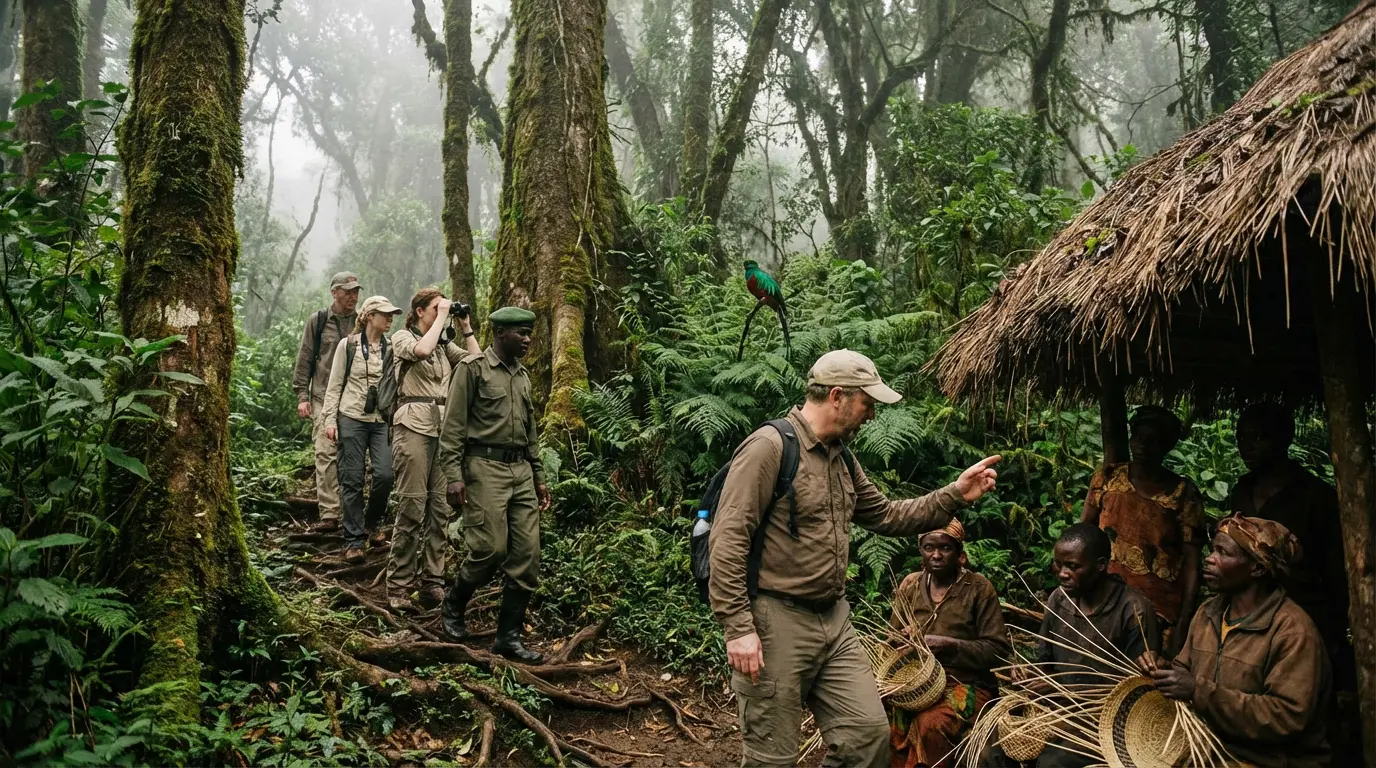
Bwindi Forest is a birdwatcher’s dream, boasting over 350 species of birds, many of which are endemic and some classified as critically endangered. While visitors often focus solely on the charismatic gorillas, birding trips provide a quieter, intimate way to connect with the forest’s ecosystem. Early mornings are perfect for spotting the Uluguru greenbul or the African green broadbill, along with colorful species like the ashy red colobus monkey’s bird neighbors—the handsome sunbird and trumpeter hornbill.
Make sure to hire a local bird guide; their trained eyes will help you spot the elusive Great Blue Turaco or the bizarre-looking shoebill stork in nearby wetlands. Birdwatching doesn’t just benefit your soul—it supports conservation too, encouraging sustainable tourism away from heavily trafficked gorilla paths. To optimize your birding experience, bring binoculars, a field guide book such as the “Birds of Uganda” by Nik Borrow and Ron Demey, and wear muted colors to blend into the lush environment. Don’t forget insect repellent—the forest is alive with buzzing visitors too!
2 Get Your Feet Wet with Bwindi’s Stream Trails
Few tourists realize Bwindi’s forest is crisscrossed by enchanting streams and waterfalls that add to its mystique. Stepping away from the popular trekking routes, travelers can embark on guided stream trails that feature bubbling waters, crocodile sightings, and the rare chance to witness fishing by indigenous Batwa tribespeople using traditional methods.
One hidden gem is the Munyaga Waterfall trail, situated near Buhoma. This gentle hike leads to a stunning cascade where you can splash around in natural pools, an unforgettable way to cool down after trekking. The area is also a hotspot for spotting dragonflies and butterflies that flit along stream banks. Locally guided stream walks support both environmental awareness and community livelihoods, so opt for tours that directly benefit conservation projects.
To prepare, pack waterproof hiking boots, swimwear for a quick dip, and a dry bag for your belongings. Don’t miss the chance to learn about the importance of freshwater ecosystems from your guide—these streams are vital for Bwindi’s flora and fauna, sustaining everything from gorillas to aquatic insects.
3 Experience Batwa Culture: The Forest’s First Guardians
The Batwa pygmies, the forest’s original inhabitants, hold ancient ecological knowledge passed down for generations. Although largely displaced from Bwindi Forest during conservation efforts, many Batwa now engage travelers through community-run cultural experiences that highlight their symbiotic relationship with the environment.
Visitors can join immersive tours where Batwa hosts demonstrate traditional forest survival skills like basket weaving with natural fibers, herbal medicine preparation, and hunting techniques using handmade bows and arrows. These cultural encounters shine a light on the delicate balance between humans and nature, offering insights that enrich any eco-conscious traveler’s visit.
Choosing Batwa-led programs offers direct financial support to help restore dignity and sustainability to these communities. Expect hands-on workshops located in villages bordering Bwindi, with small group sizes ensuring authentic and respectful interactions. Don’t rush—take time to absorb Batwa storytelling, songs, and dances that explicitly celebrate forest life.
Practical tip: Bring small gifts like seeds or practical tools rather than cash, and always ask before taking photographs to respect privacy and traditions.
4 Night Walks: Meet Bwindi’s Nocturnal Wildlife
Bwindi’s daytime vistas are captivating, but its nocturnal realm opens a whole new chapter of discovery. Guided night walks organized on the forest fringes allow visitors to spot creatures that evade daylight, such as the giant forest hog, bush babies, and various species of frogs and insects.
Navigate through dimly lit paths armed with red-filtered torches to minimize disturbance, accompanied by knowledgeable guides who can interpret eye shines and call patterns. The experience is both exhilarating and humbling—few realize how vibrant and active Bwindi is under the moon’s soft glow.
Examples include night walks near the Nkuringo sector, where you may encounter the African civet or hear the gruffs of the elusive leopard owl. These tours contribute to anti-poaching surveillance by increasing human presence in the forest periphery.
Wear sturdy boots and long sleeves to protect yourself from twigs and insects, and carry a small first aid kit just in case. Keep noise to a minimum and follow all guide instructions for a safe and respectful outing.
5 Volunteer in Conservation: Hands-On Forest Protection
For travelers wanting to go beyond passive observation, Bwindi offers rewarding volunteer conservation programs focusing on gorilla monitoring, trail maintenance, and community engagement. Joining one of these programs provides a deeper understanding of the challenges faced by the forest and its inhabitants.
Organizations like the Bwindi Impenetrable Forest Conservation Project offer participatory roles ranging from habitat restoration to educating local schools about the importance of preserving biodiversity. These options often require commitments from a few days to several weeks, making them suitable for travelers keen on meaningful eco-activities.
Volunteering not only provides expertise and labor where it’s most needed but also enriches your travel story with impactful anecdotes and friendships with locals and fellow conservationists.
Tip: Book well in advance, especially for peak gorilla trekking seasons when conservation efforts heighten, and check visa requirements for volunteer work in Uganda.
6 Botanical Wonders: Uncover Bwindi’s Medicinal Plant Heritage
Beyond the forest’s towering trees, Bwindi houses a treasure trove of medicinal plants used for centuries by local communities. While hiking the less frequented paths, you can participate in guided botanical walks that explore indigenous plant species, their traditional healing properties, and their ecological roles.
Walks through sectors like Ruhija reveal plants such as Prunus africana (used to treat prostate issues) and warburgia ugandensis (a potent antimicrobial). Experienced herbalists or guides explain how these plants integrate within local health practices and conservation efforts aimed at sustaining wild growth amid deforestation pressures.
These botanical excursions provide travelers with a tangible link between nature and culture, highlighting the forest’s invaluable resources beyond wildlife. Remember to tread lightly; collecting plants is strictly discouraged to preserve the ecosystem.
Bring a camera for close-ups and note-taking, and wear comfortable shoes for rough terrain. Consider carrying a pocket-sized wild plant guidebook for Uganda, which enhances your learning experience.
Bwindi Impenetrable Forest dazzles with more than the famed mountain gorillas. Exploring its birdlife, streams, indigenous cultures, nocturnal creatures, conservation volunteering, and medicinal plants creates a rich tapestry of eco-experiences that deepen your connection to this remarkable environment. By stepping off the beaten path and embracing these overlooked treasures, travelers can support sustainable tourism while crafting unforgettable memories.
Whether you are a nature enthusiast, cultural explorer, or mindful traveler, Bwindi invites you to discover its many layers—each adding dimension to Uganda’s wild heart and the stories it holds.