Pakistan is a land of remarkable diversity, where ancient history, breathtaking landscapes, and vibrant cultures converge. For travelers seeking jaw-dropping trips that awaken the spirit of adventure and discovery, Pakistan offers experiences that can make any bucket list seem tame. From towering peaks to vast deserts, from bustling ancient cities to serene lakes, this South Asian gem invites you to explore its awe-inspiring corners. Getting to know Pakistan isn’t just about seeing new sights; it’s about immersing in a world where the majestic Himalayas kiss the sky and the echoes of history resonate in every stone. Whether you are an adventurer, a history lover, or a cultural enthusiast, Pakistan delivers on all fronts with trips that are unforgettable, thrilling, and deeply enriching.
1. Conquer the Karakoram Highway: The Eighth Wonder of the World
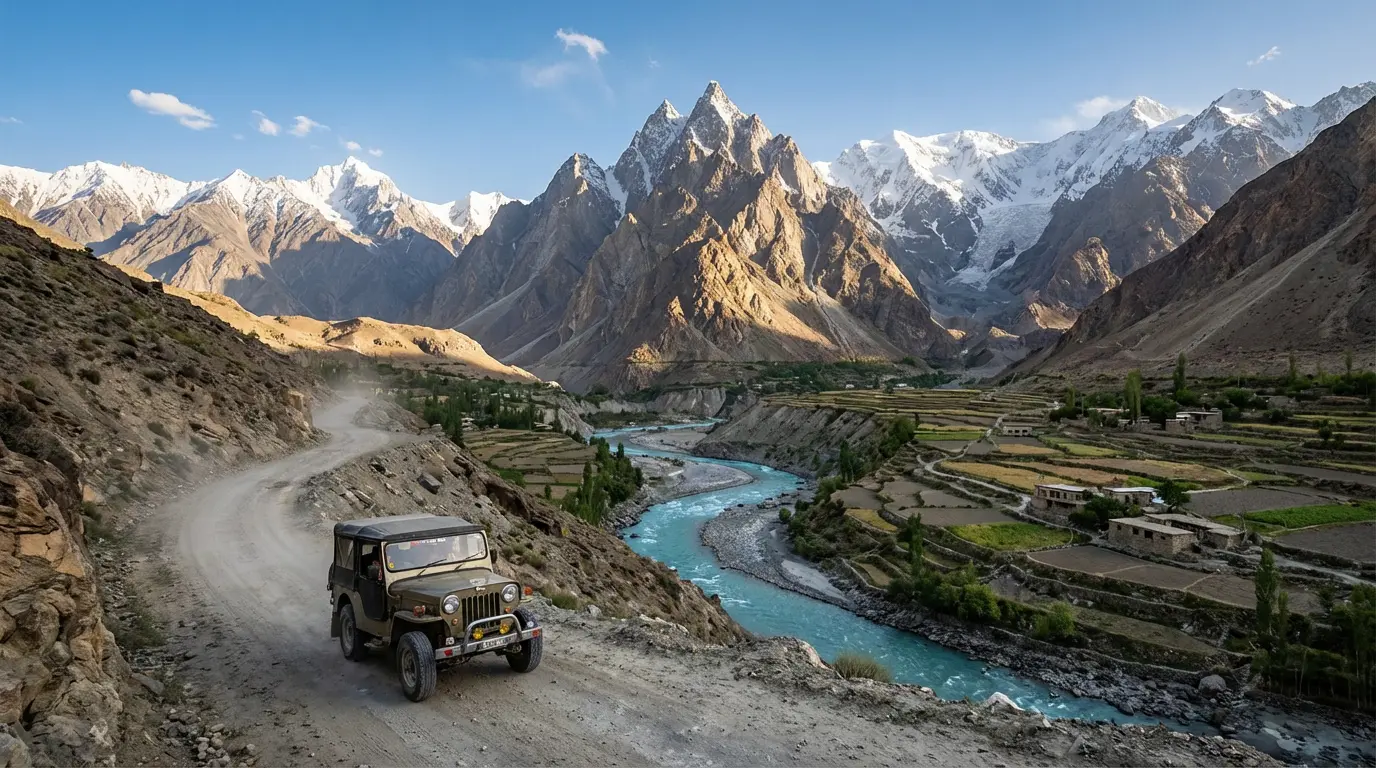
Stretching approximately 1,200 kilometers, the Karakoram Highway (KKH) is often hailed as the highest paved international road in the world, connecting Pakistan to China. Driving or biking along this engineering marvel offers panoramic views of some of the tallest mountains on Earth, including K2, the second-highest peak globally. The highway carves through the rugged terrains of the Karakoram, Himalaya, and Hindu Kush ranges, making the journey as captivating as the destinations it leads to.
Practical tips: Begin your journey from Islamabad and take time to stop at key spots like the ancient Silk Road town of Gilgit, Attabad Lake known for its stunning turquoise waters formed by a landslide in 2010, and the Khunjerab Pass, the highest border crossing in the world at 4,693 meters. Given the challenging driving conditions, ensure your vehicle is in top shape, and consider hiring a local driver familiar with the terrain. March to June and September to November are ideal months due to milder weather and less risk of landslides. Expect roadblocks and occasional delays, but these are part of the adventure.
Cultural highlight: Along the KKH, you’ll encounter diverse ethnic groups such as Baltis, Shinas, and Wakhi, each with distinct languages, traditions, and crafts. Visiting local markets or homestays provides authentic insights into their way of life.
The Karakoram Highway is not just a road but a corridor to some of the most breathtaking sights and rich cultures in Pakistan. Whether you’re looking for thrilling drives or serene mountain views, this is a journey you won’t forget .
2. Explore the Ancient Ruins of Moenjodaro
Step back about 4,500 years at Moenjodaro, a UNESCO World Heritage Site located in the Sindh province. As one of the principal cities of the Indus Valley Civilization, Moenjodaro is a rare archaeological window into an early, sophisticated urban culture. Walking through its extensive ruins, visitors witness planned streets, advanced drainage systems, public baths, and residential buildings.
Travel tips: Visiting Moenjodaro is best done with a knowledgeable guide who can unravel stories hidden in the ruins. It’s advisable to arrive early in the morning to avoid the midday heat. The local town offers basic amenities but plan your accommodations in nearby cities such as Larkana or Sukkur for more comfort.
Why it’s a must-see: Moenjodaro showcases the ingenuity of ancient urban planning and civil engineering. Archaeologists uncovered remnants of a society with apparent social organization, arts, and trade networks. The site offers a quiet, reflective atmosphere far from crowded tourist hubs and adds a profound historical context to your Pakistan trip.
Cultural note: The site is a protected heritage monument and symbolizes Pakistan’s archaeological and cultural pride. Respect local conservation rules and support sustainable tourism initiatives during your visit .
3. Trekking in Fairy Meadows and Nanga Parbat Base Camp
For mountaineers and trekking enthusiasts, the Fairy Meadows offers lush alpine meadows with one of the world’s most stunning backdrops: Nanga Parbat, the ninth-highest mountain globally. Located in Gilgit-Baltistan, Fairy Meadows is a scenic base camp from which hikers embark toward Nanga Parbat’s base, offering a blend of challenging trails and sublime landscapes.
In-depth guidance: Getting to Fairy Meadows involves a jeep ride on a bumpy 15-kilometer track from Raikot Bridge, followed by a two-hour hike. The area is only accessible from May to September due to snow and weather conditions. Accommodations are usually in rustic huts or tents, so pack accordingly.
Tips for trekkers: Prepare adequate gear including warm clothes, good hiking boots, and sufficient water supplies. Hiring a local guide is strongly recommended for safety and navigation. Don’t rush on the trails; take time to breathe in the crisp mountain air and capture incredible photographs.
Top attraction: Besides Nanga Parbat’s impressive peak, the meadows themselves offer wildflowers, rare bird sightings, and night skies laden with stars — a perfect setting for nature lovers and photographers.
This trek epitomizes Pakistan’s unparalleled natural beauty and adventurous spirit, turning a journey into a soulful experience .
4. Discover the Cultural Heart in Lahore: Mughal Architecture and Culinary Delights
Lahore, often called the cultural capital of Pakistan, bursts with historical sites, bustling bazaars, and a food scene that is a feast for the senses. The Lahore Fort (Shahi Qila), Badshahi Mosque, and Shalimar Gardens are grand reminders of the Mughal Empire’s architectural brilliance.
Visitor advice: Start your tour with the Lahore Fort, constructed in 1566 under Emperor Akbar, which features the exquisite Shish Mahal adorned with mirrors and intricate pietra dura designs. Nearby, the Badshahi Mosque stands as one of the largest mosques in the world. Visiting during late afternoons lets you enjoy golden-hour light and cooler temperatures.
Culinary highlights: Lahore is famous for its street food; don’t miss sampling Nihari (slow-cooked meat stew), Gol Gappay (crispy filled snacks), and a chai (milky tea) break. Food streets such as Gawalmandi and Fort Road offer authentic tastes alongside lively atmospheres.
Cultural immersion: Lahore hosts numerous festivals and performances throughout the year, including the vibrant Basant kite festival in spring (weather permitting). Exploring the narrow lanes of the old city uncovers artisan workshops and traditional crafts.
Lahore’s blend of historical grandeur and current-day vibrancy makes it an essential stop for any traveler wishing to experience Pakistan’s soul .
5. Sail the Serene Waters of Lake Saif-ul-Malook
Nestled in the Kaghan Valley at approximately 3,224 meters above sea level, Lake Saif-ul-Malook is a dazzling alpine lake surrounded by snow-capped peaks and dense pine forests. Its crystal-clear turquoise waters, legendary fairy tales, and accessible location make it one of Pakistan’s most enchanting natural attractions.
How to visit: The journey begins from Naran town, where jeep rides on rugged roads lead to the lake in about 45 minutes. The area is best visited from May to September due to winter closures. Pack layers as temperatures can be chilly even in summer, especially near the water.
Activities and tips: Besides soaking in the lake’s tranquility, visitors can try boating or trek nearby to Malika Parbat, the highest peak in the valley, for more adventure. Photography enthusiasts will find ample opportunities for stunning landscape shots.
Local lore: The lake is shrouded in folklore about fairies and mystical tales of a prince’s quest. Engaging with local guides to hear these stories adds cultural depth to your visit.
Effortless access combined with mesmerizing scenery ensures Lake Saif-ul-Malook is a standout for both families and thrill-seekers alike .
6. Experience the Desert Mystique of Tharparkar and Its Heritage
The Thar Desert, spanning the Sindh province, captivates travelers with its vast sand dunes, vibrant culture, and ancient heritage sites. Tharparkar is famous for blending traditional desert life with warm hospitality and colorful festivals.
Planning your trip: The best time to visit is during the cooler months from November to February. Local lodgings may be basic, so prepare accordingly or opt for guided tours that include camping under the desert sky. Access is viable via Jodhpur (India) or major cities in Pakistan with connecting roads.
What to explore: The Jain temples of Nagarparkar, especially the centuries-old Gori Temple, showcase impressive architecture in harmony with the desert backdrop. The annual Thar Desert Festival offers folk music, camel races, and handicrafts, providing vibrant insight into the local culture.
Cultural note: The Thari people maintain a rich tradition of music, dance, and crafts, with women artisans skilled in embroidery and weaving. Visitors are welcomed with open arms, often treated to traditional meals and tea.
From spiritual serenity to lively celebrations, Tharparkar’s desert magic unfolds a side of Pakistan rarely explored by tourists, making for a truly unique expedition .
7. Roam Hunza Valley: Nature’s Paradise and Historical Wonders
The Hunza Valley, located in Gilgit-Baltistan, is often described as paradise on Earth. Framed by towering peaks like Rakaposhi and surrounded by terraced fields and apricot orchards, the valley is a blend of natural beauty and historical richness.
Where to go: Karimabad is the main town and base for exploring the valley. Attractions include Baltit Fort and Altit Fort, which date back over 700 years, offering glimpses into the region’s storied past and architectural ingenuity. The Duikar viewpoint provides excellent sunrise vistas.
Local insights: Hunza’s inhabitants are known for their longevity and hospitality. Visitors can taste traditional Hunza cuisine, featuring apricot kernels and fresh organic produce. The valley also offers trekking, mountain biking, and jeep safaris.
Best time to visit: Summers from May to September are ideal for pleasant weather and blooming wildflowers. Winters are cold but equally scenic with snow-covered landscapes.
Hunza’s spectacular scenery, combined with its cultural heritage, makes it an irresistible destination that perfectly balances adventure and tranquility .
8. Unveil the Mysteries of the Makli Necropolis in Thatta
Makli Necropolis, a UNESCO World Heritage site near Thatta in Sindh, is one of the largest funerary sites in the world. Spanning over 10 square kilometers, it holds thousands of tombs and mausoleums dating from the 14th to the 18th centuries, showcasing exceptional blend of Islamic, Hindu, and Persian architectural styles.
Visitor guidance: Thatta is accessible from Karachi by road or train. Hiring a guide to navigate this vast site is advisable to fully appreciate the symbolism and history of the elaborate carvings and inscriptions. Allow around half a day to explore.
What to see: Noteworthy tombs include those of Jam Nizamuddin II and Isa Khan Tarkhan I. The site also encompasses mosques and ancient city remains, making it a comprehensive historical treasure.
Cultural context: The site reflects the Sufi and multi-ethnic influences on the region’s history and art. Photography is permitted outside the mausoleums but be respectful of the sanctity of the place.
Makli Necropolis offers a profound journey through centuries of spiritual and artistic evolution, a hidden gem for lovers of history and architecture .
9. Adventure and Wildlife in Chitral and Kalash Valleys
Chitral, surrounded by the Hindu Kush mountains, is a gateway to unique cultural experiences and nature adventures. The neighboring Kalash Valleys are home to the Kalash people, an indigenous community with distinct traditions, languages, and festivals unlike anywhere else in Pakistan.
How to plan: The road journey from Islamabad to Chitral takes about 12 hours, with alternative flights to Chitral Airport from Islamabad for easier access. The best time to visit is between May and October when the weather is mild.
Exploration highlights: Attend the vibrant Chilam Joshi Festival in May to experience Kalash music, dance, and rituals. Hike in the majestic Tirich Mir area, the highest peak of the Hindu Kush at 7,708 meters. Chitral National Park offers opportunities to spot elusive snow leopards, ibex, and a variety of birdlife.
Tips: Respect local customs, especially in Kalash villages, and seek permission before photographing people or ceremonies. Local guides are invaluable for deeper cultural understanding and safe trekking.
This region combines enthralling culture with pristine natural beauty, ideal for travelers seeking an off-the-beaten-path adventure that enriches both body and soul .
Pakistan’s remarkable landscapes, rich history, and welcoming people create a tapestry of travel experiences like no other. These nine trips showcase the country’s diverse offerings, from majestic mountains and ancient ruins to desert festivals and unique cultural encounters. Armed with local insights and practical tips, your journey through Pakistan promises awe-inspiring sights and memories that will last a lifetime. Whether you seek adventure, spirituality, or cultural depth, Pakistan’s stunning destinations await with open arms. Embark on these extraordinary journeys, and watch your travel bucket list transform from tame to truly spectacular.