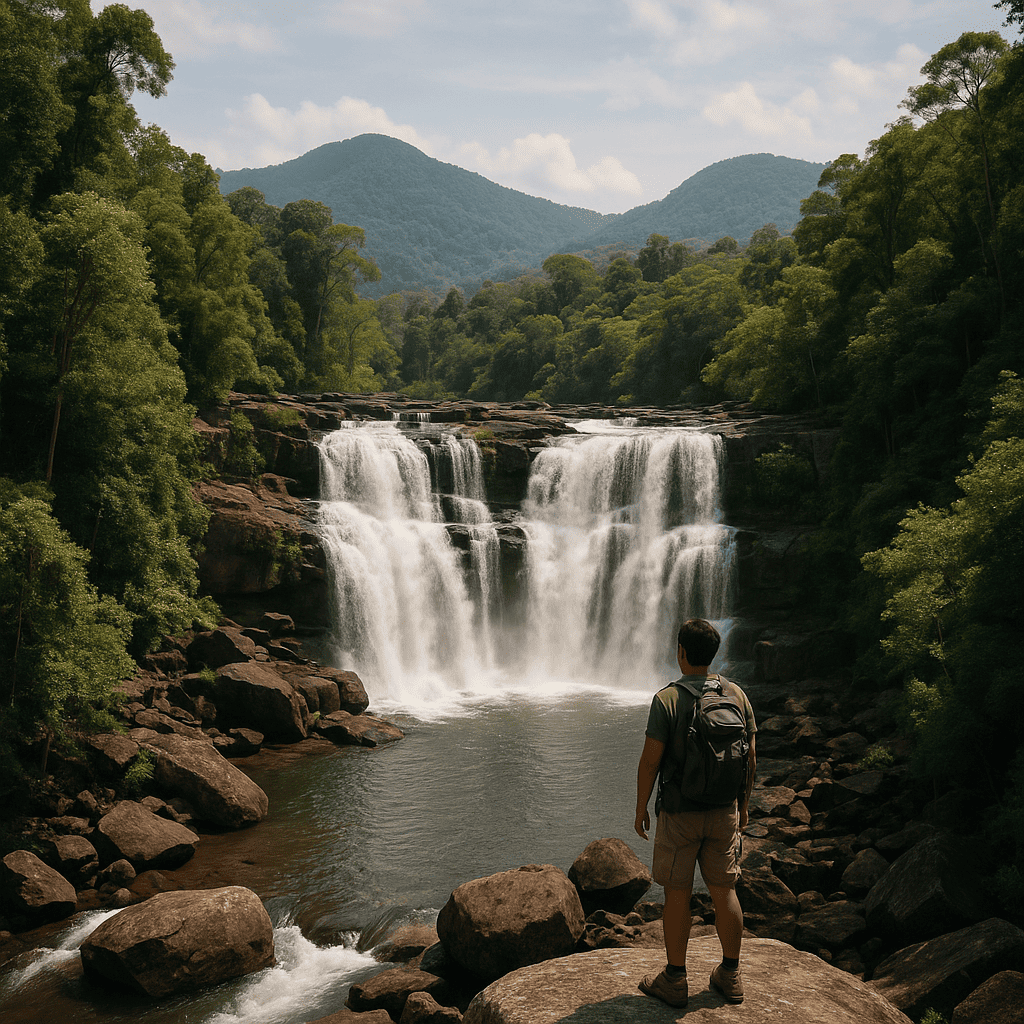
Northern Vietnam offers an astonishing alternative for travelers seeking adventure far beyond the usual tropical paradises like Bali. This region’s breathtaking landscapes feature terraced rice fields, soaring mountain peaks, dense forests, and winding rivers that make for some of the most exciting trekking experiences in Southeast Asia. Whether you’re a seasoned hiker or just an enthusiastic explorer, these five jaw-dropping trails will immerse you in Vietnam’s raw natural beauty, vibrant local culture, and historic charm. Get ready to trade Bali’s beaches for paths where every step tells a story.
1 Sapa’s Iconic Trekking Routes: Where Mountains Meet the Clouds
Sapa, nestled in the Hoàng Liên Son mountain range, is a trekking capital famous for its terraced rice paddies and ethnic minority villages. The area boasts several trekking loops that vary in difficulty, providing options for all types of hikers. The trek from Sapa town to the summit of Fansipan, known as the “Roof of Indochina” at 3,143 meters, is a prized challenge for many, though more accessible now with cable car options.
For a more traditional hiking experience, the trail to villages like Lao Chai, Ta Van, and Cat Cat offers a walk through lush valleys engulfed in mist, where striking green rice terraces stretch to the horizon. Along the way, trekkers encounter Black Hmong, Giay, and Tay ethnic minorities, whose traditional stilt houses and vibrant costumes embody Vietnam’s rich cultural tapestry.
Tips: Start early to avoid afternoon rain showers typical in the rainy season (May to September). Engage local guides for cultural insights and ensure you respect village customs by asking before photographing locals. Accommodations range from cozy homestays to boutique lodges, many providing home-cooked meals from fresh ingredients.
Sapa’s trekking trails exemplify the blend of natural beauty and cultural immersion, promising memories more profound than any beachside selfie.

2 Ha Giang Loop: The Untamed Northern Frontier
For those craving off-the-beaten-path adventure, the Ha Giang Loop is Northern Vietnam’s prize hidden gem. Unlike Bali’s sun-soaked beaches, Ha Giang is about towering limestone karsts, steep valleys, and dramatic cliffside roads that offer panoramic views at every turn.
This 300-kilometer motorbike loop can be explored on foot in segments, but trekking portions around Dong Van and Meo Vac districts unfold unique encounters with remote ethnic groups such as the H’mong, Tay, and Dao minorities. The Ma Pi Leng Pass, often dubbed one of Vietnam’s most spectacular mountain passes, offers jaw-dropping vistas of the Nho Que River gorge below.
Practical advice: The loop takes 3 to 4 days by motorbike; however, hiking in the region requires a local guide due to the challenging terrain and remote areas. Weather is best from late September to early December, when the skies are clear and temperatures cool.
This trail rewards those willing to delve deep into a landscape dominated by raw nature and isolated villages steeped in tradition, far removed from Bali’s tourist crowds.
3 Pu Luong Nature Reserve Trek: A Quiet Alternative to Sapa
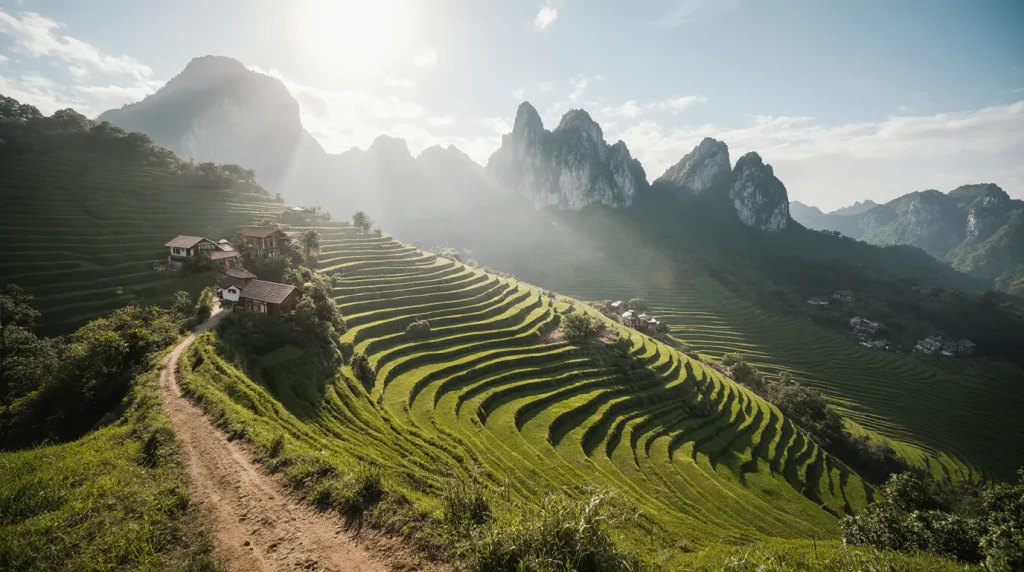
Pu Luong Nature Reserve, approximately 4 hours from Hanoi, is the perfect destination for travelers who want scenic trekking without the busier trails of Sapa. This protected area is a mosaic of limestone karsts, forested hills, and emerald rice terraces dotted with ethnic Thai and Muong villages.
Trekking routes here are moderate and less crowded, winding through rice fields, authentic rural villages, and cool forest canopies. You’ll find quaint bamboo bridges spanning streams and small waterfalls where you can take refreshing breaks.
Helpful tips: Homestays in Pu Luong are exceptional for their warmth and welcoming hosts offering traditional meals. This trek is most enjoyable between October and April when the weather is drier and the rice terraces are either lush green or golden-yellow, depending on the season.
Pu Luong’s trails offer a serene and authentic hiking experience that rivals Bali’s natural beauty, without sacrificing tranquility.
4 Ba Be National Park: Lakeside Trails with a Twist of Adventure
In the far north, Ba Be National Park stands out for its stunning freshwater lake—the largest natural lake in Vietnam—surrounded by thick limestone mountains and dense tropical forests. Here you can combine trekking with boating on Ba Be Lake, making it a diverse outdoor adventure spot.
Popular trails lead visitors through forest paths to hidden caves like Puong Cave, and stupendous waterfalls such as Dau Dang and Fairy Pond. Birdwatchers will delight in sightings of rare endemic species lurking in the park’s biodiverse habitats.
For travelers: Boat rentals and guided hikes are widely available from Ba Be Town. Plan visits between October and April to avoid heavy rains and enjoy comfortable trekking conditions. Accommodations near the lake include guesthouses as well as floating bungalows—perfect for witnessing the natural spectacle day and night.
This destination’s blend of water and mountains makes it a unique hiking and nature experience that feels worlds apart from Bali’s beach resorts.
5 The Remote Trek of Ha Giang’s Lung Cu and Dong Van Karst Plateau
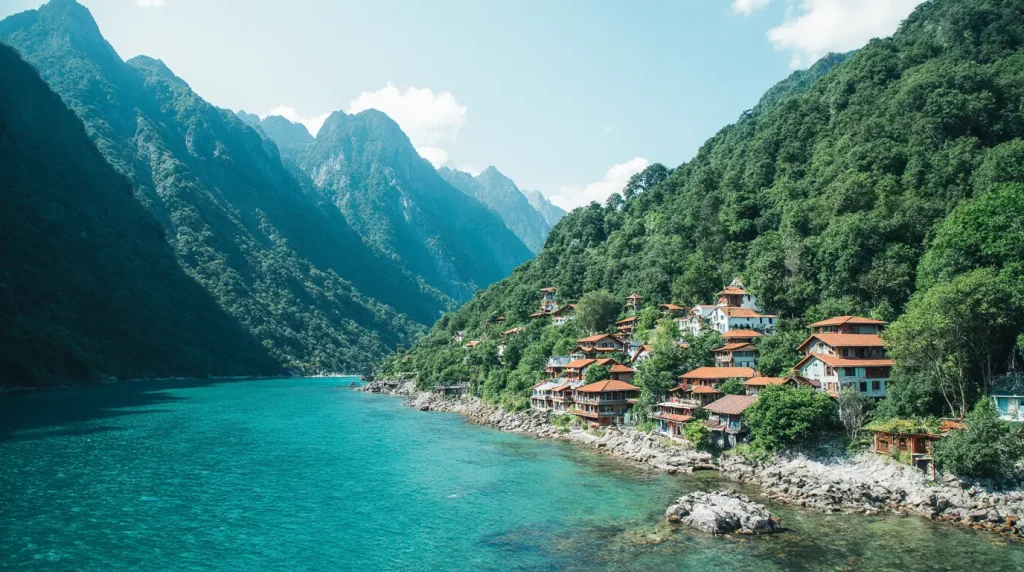
If you want to challenge yourself and explore one of Vietnam’s most rugged and culturally rich landscapes, the trek through Lung Cu and the Dong Van Karst Plateau offers exactly that. This area is recognized as a UNESCO Global Geopark, famous for its dramatic karst topography and ancient ethnic cultures.
Trekking here is challenging but rewarding, moving through valleys carved by rivers, symbolic tiled roofs of ethnic villages perched precariously on hillsides, and historic sites like the Lung Cu Flag Tower—Vietnam’s northernmost point.
Key insights: This trek requires physical fitness and a reliable, knowledgeable local guide. The best trekking months are autumn (September to November) for crisp weather and stunning mountain colors. Make sure to allocate time to engage with local communities respectfully—traditional weaving and farming practices enrich the cultural experience.
This trail offers an incomparable glimpse into Vietnam’s highland life, promising intense memories that truly outshine Bali’s crowded paths.
Northern Vietnam beckons travelers with its striking trails that blend natural majesty and cultural richness. These five trekking routes showcase landscapes so captivating and diverse that the allure of Bali’s beaches pales in comparison. Whether wandering through Sapa’s terraced wonders, conquering the remote Ha Giang Loop, enjoying Pu Luong’s serene paths, exploring Ba Be’s lake trails, or challenging yourself in the karst plateau, you’ll discover a world of adventure unlike any other. So pack your hiking boots and camera; Northern Vietnam’s trails promise unforgettable stories and spectacular sights every step of the way.