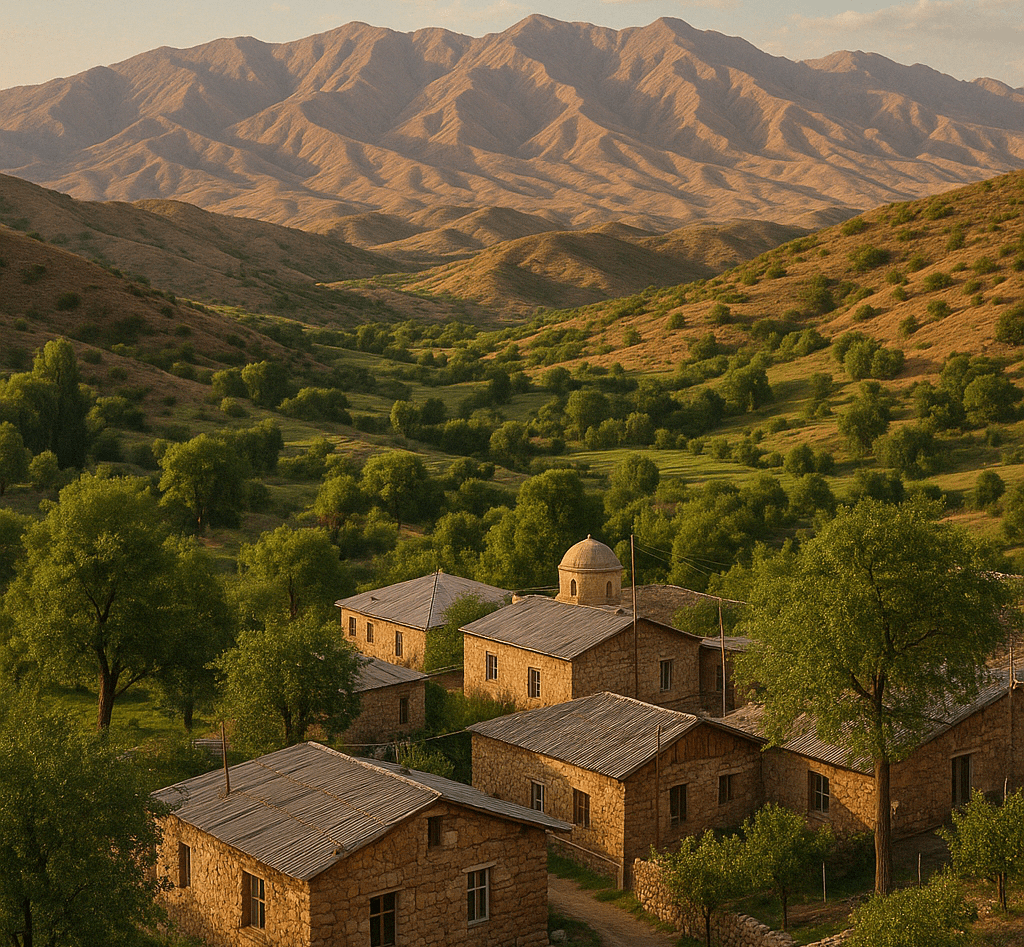
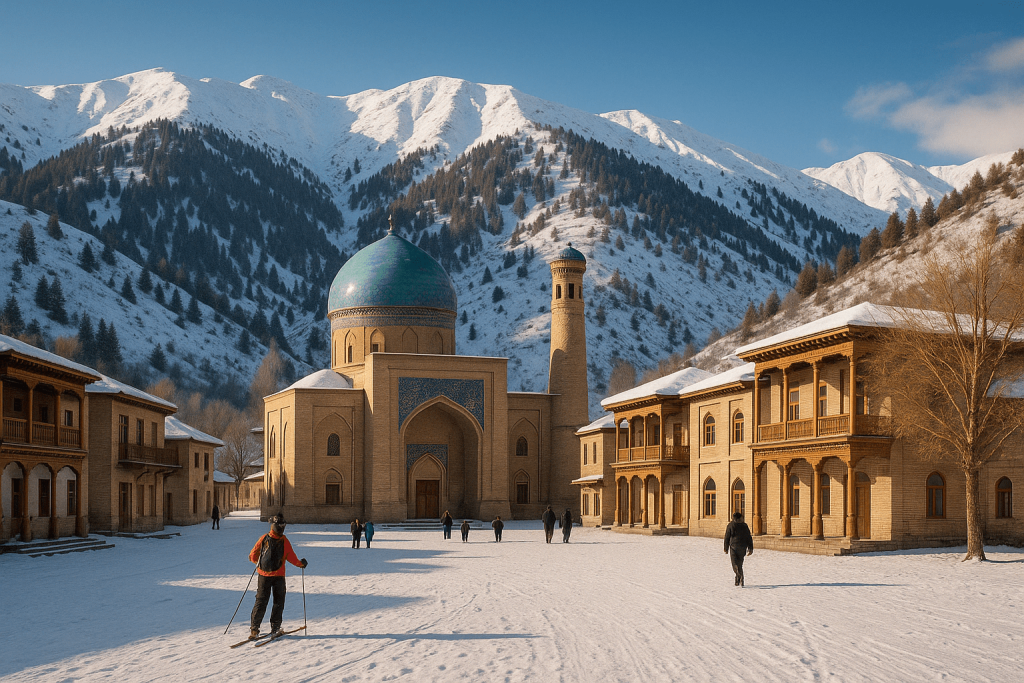
Driving from Samarkand to Khiva is more than just a road trip—it’s a journey through the heart of Uzbekistan’s rich history, vibrant culture, and stunning landscapes. While the direct route connects two of the country’s most iconic Silk Road cities, the route offers plenty of enticing pit stops that bring stories to life and memories you’ll cherish forever. Each stop beckons with its own unique charm, from ancient fortresses to colorful bazaars and breathtaking natural scenes, ensuring your adventure never hits the mundane. This guide will take you beyond the highway to reveal five casually epic detours where you can stretch your legs, savor authentic experiences, and collect brag-worthy moments. Whether you travel solo or with friends, these stops promise to deepen your connection with Uzbekistan’s multifaceted heritage.
1. The Timeless Walls of Shahrisabz: Where Tamerlane’s Legend Lives On
Just about 90 kilometers south of Samarkand, Shahrisabz is an unmissable pause that celebrates the legacy of Tamerlane (Timur), one of the greatest conquerors of the 14th century. This town is not merely a historical checkpoint but a vibrant display of Timurid architecture and cultural pride. Once you arrive, wander through the ruins of the Ak-Saray Palace, Timur’s summer residence, whose grandiose blue-tiled façade still commands respect despite the centuries. Don’t miss the Dorut Tilovat complex featuring the scenic Kok-Gumbaz Mosque, a masterpiece of Timurid design with its twin turquoise domes.
Tip: Arrive early in the morning to avoid crowds and enjoy cooler temperatures. Local guides here know fascinating stories about Timur’s life and his significant impact on Central Asia’s art and urban development. You can hire one near the central bazaar, which itself is a bustling hub of Uzbek spices, textiles, and hearty snacks like somsa—perfect for a quick getaway bite.
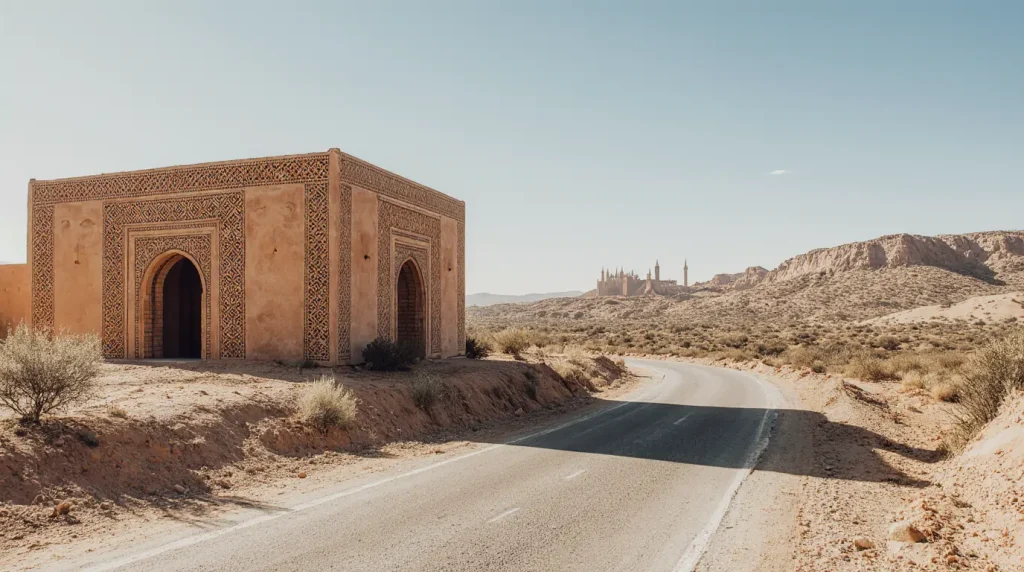
2. Aksikent Village: The Forgotten Oasis of Quiet Charm
Halfway between Shahrisabz and Bukhara lies the tranquil village of Aksikent, a stop that embodies rural Uzbek life as authentically as you can get. This small village acts as a peaceful contrast to the bustling cities and offers a glimpse of traditional cotton farming, the backbone of Uzbekistan’s agriculture. Aksikent is the kind of place where your conversation with locals often starts with a cup of green tea under shade trees or around an outdoor chaykhana (teahouse).
For nature enthusiasts, the nearby Zarafshan Mountains add a backcloth of rugged beauty, inviting a brief scenic detour or a photo break. This is a perfect opportunity to experience slow travel, connecting with the people whose lives have shaped the countryside for centuries.
Tip: Bring small gifts or souvenirs if you hope to engage with locals. Honey and dried fruit sellers near the market can share stories about indigenous plants and traditional preparation methods.
3. Bukhara: The Jewel with Endless Secrets
Though it requires a slight detour north of the main highway, Bukhara deserves its place on any driving itinerary through Uzbekistan. Known as the “Holy City,” Bukhara packs a punch with its stunning collection of over 140 architectural monuments, medieval madrasahs, and intricately tiled mosques. The historic center is a UNESCO World Heritage site, rich with stories of scholars, traders, and Sufi mystics.
Amongst many highlights, the Ark Fortress is a must-see: a fortified citadel that has witnessed centuries of Silk Road drama. Don’t skip the Lyab-i Hauz plaza, where ancient mulberry trees shade a peaceful pond, surrounded by cafes serving traditional pilaf and shashlik. Bukhara is also famous for its leather crafts and ancient jewelry, both available in the labyrinthine markets.
Tip: To maximize your visit, stay overnight in a traditional guesthouse called a “caravanserai,” offering an immersive local experience. Nighttime in Bukhara is magical with lantern-lit streets and fewer crowds.
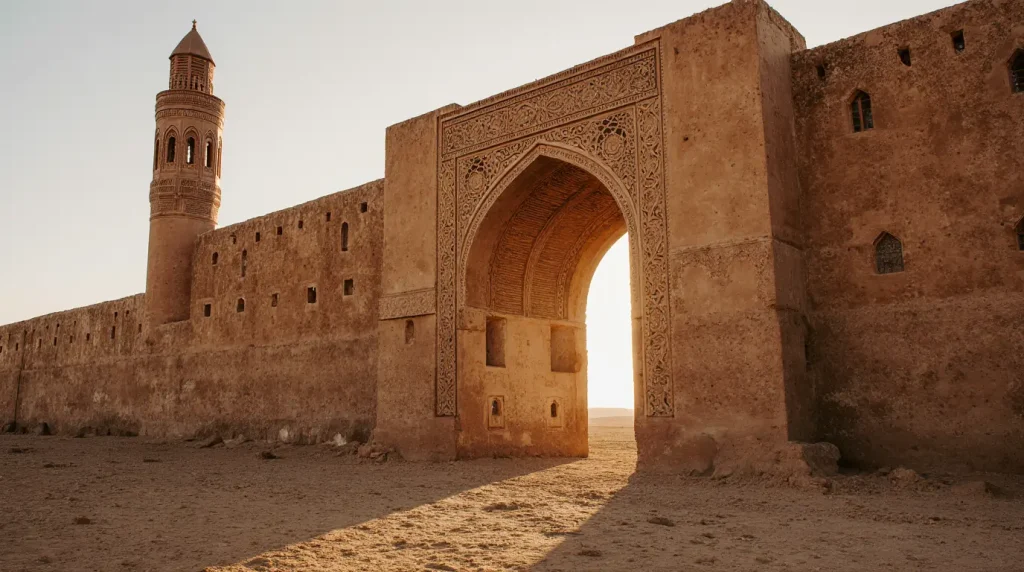
4. The Desert Marvel of Ayaz-Kala: Where Fortresses Touch the Sky
Head west from Bukhara and you’ll find yourself winding toward the extraordinary fortress ruins of Ayaz-Kala, standing proudly in the vast Kyzylkum Desert. These ancient fortifications date back to the 1st millennium BC, originally built by the Khorezm civilization. The site offers panoramic views over stark desert dunes that appear endless and eternally shifting—a perfect spot to breathe the silence of the ancient Silk Road.
Exploring the ruins, you’ll notice the thick mud-brick walls and defensive towers that once protected these desert city-states. Ayaz-Kala is an enticing stop for history buffs and photographers alike, especially around sunrise and sunset when the light paints the sand in golden hues.
Tip: Carry plenty of water and sun protection as services here are limited. Hiring a local guide can enrich your experience with detailed archaeological insights and survival tales from the desert.
5. Khiva: The Living Museum Where Time Stands Still
Your journey culminates in Khiva, arguably Uzbekistan’s most evocative Silk Road city. Approaching Khiva feels like stepping into a living museum, with its entire old town, Itchan Kala, enclosed within formidable mud walls. This UNESCO World Heritage site offers a fascinating glimpse into Central Asian history, with breathtaking madrassahs, minarets, and palaces clustered in a compact, easily walkable area.
Start your visit at the Kalta Minor minaret, a turquoise-blue spectacle, and the Kunya-Ark fortress. Wander down the cobblestone streets to admire the carved wooden doors and intricate mosaics that speak of centuries-old craftsmanship. Khiva’s bazaars teem with local artisans producing silk embroidery, woodwork, and traditional ceramics. Eating a hearty lagman or bread fresh from a tandyr oven means you’re not just observing but savoring culture.
Tip: Plan for at least one full day here to stroll at a relaxed pace. Early morning or late afternoon are the best times to tour the city to avoid the midday heat and crowds. Nearby, an open-air museum showcases restored caravanserais, giving a sense of the city’s role in historical trade.
Traveling from Samarkand to Khiva is much more than moving between two points on a map—it’s an epic route peppered with history, culture, and natural beauty. Each stop on this route offers unique windows into the legendary Silk Road heritage and modern Uzbek life. Whether you’re marveling at Timurid monuments, savoring village hospitality, or soaking in desert solitude, these casual pit stops are guaranteed to fill your travel journal with stories worth bragging about. Pack your bags, fuel up your car, and embrace the adventure that awaits along this unforgettable journey.