Austria is celebrated worldwide for its stunning Alpine landscapes and traditional ski resorts. Yet, beyond the typical tourist trails lie slopes that redefine skiing challenges and offer experiences unlike any other. The Austrian Alps host slopes that demand technical skill, nerve, and an adventurous spirit. Whether you are a seasoned skier or simply an enthusiast with a thirst for adrenaline, discovering these five Austrian slopes will challenge every expectation you have about ski resorts.
1. The Streif at Kitzbühel: The King of Skiing Thrills
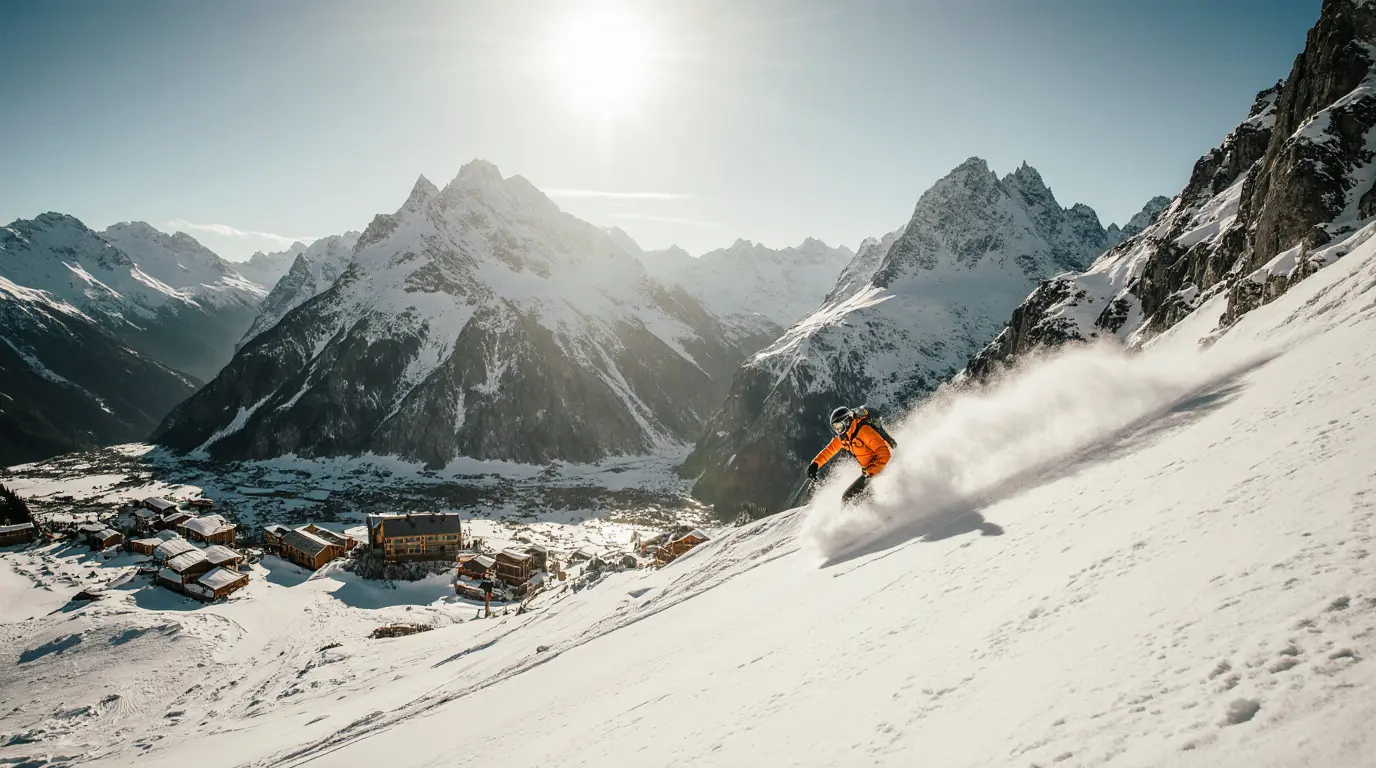
Kitzbühel’s Streif is not just a slope but a legend. Often regarded as the most formidable downhill course on the FIS World Cup circuit, the Streif tests even the most skilled professionals. This slope is a mix of steep gradients, sharp turns, and at times, icy firmness that laughs at mere mortals. At points, the steepness reaches 85%, requiring impeccable control and courage.
Skiers tackling the Streif encounter the “Mausefalle,” a notorious jump where racers clear over 40 meters, and the “Steilhang,” a terrifying steep wall segment demanding precision. The slope isn’t for beginners or intermediates; only experts should consider it, and even then, with great respect.
For visitors, the annual Hahnenkamm races are must-see events. To experience the Streif, beginners and intermediates can still explore easier surrounding slopes that allow them to soak up the atmosphere in one of Austria’s most charming medieval towns. Kitzbühel itself provides historic streets, cozy mountain inns, and modern lift systems, making the whole resort a versatile destination.
Pro Tip: Visit in January during the Hahnenkamm Races for world-class action, but book accommodations months in advance, as this is the busiest time.
2. The Schlick 2000’s “Schlicker Boden” Black Run: Tyrol’s Hidden Gem
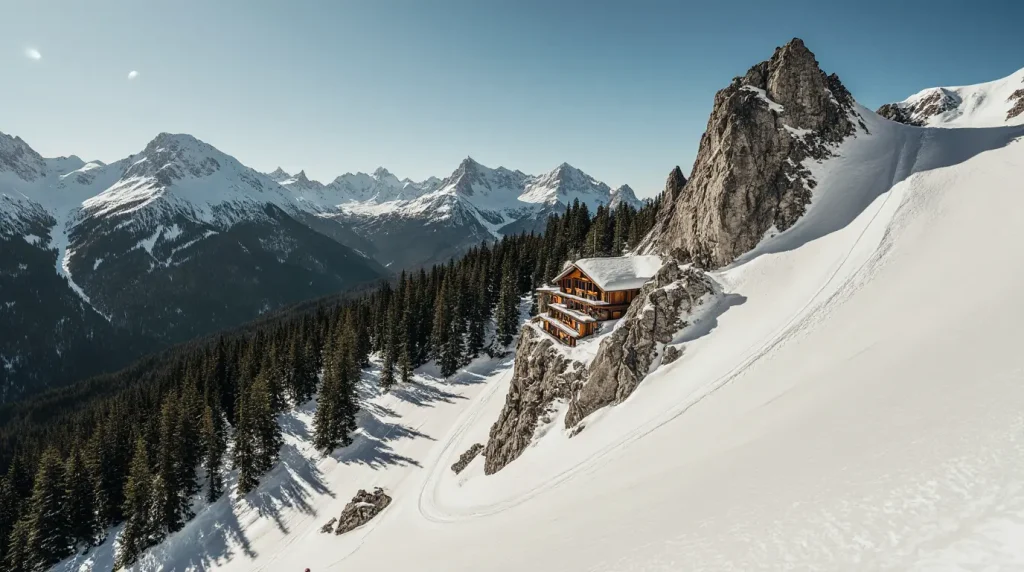
Located near the alpine town of Innsbruck, Schlick 2000 boasts a wide array of slopes, but its most feared is the black run “Schlicker Boden.” This challenging piste is lengthy, with a demanding gradient that zigzags through the forest, providing both technical skiing and breathtaking views of the Stubai mountains.
What sets Schlicker Boden apart is the combination of natural terrain features and well-groomed sections, creating a variety of technical challenges including narrow passages, sharp bends, and sustained steep stretches. The area’s modern lift infrastructure, including gondolas and chair lifts, allows easy access while maintaining the wild, less-commercial atmosphere that serious skiers crave.
Other than skiing, Tyrol offers a rich cultural experience with its traditional alpine architecture, hearty local cuisine like Tiroler Gröstl (fried potatoes and meat), and robust apres-ski culture in nearby towns.
Visitor’s Advice: If skiing this black run, prepare for a lengthy descent requiring good stamina; hydrate well and allocate time for breaks to enjoy the surrounding alpine vistas.
3. The Kitzsteinhorn Glacier: Year-Round Challenge at High Altitude
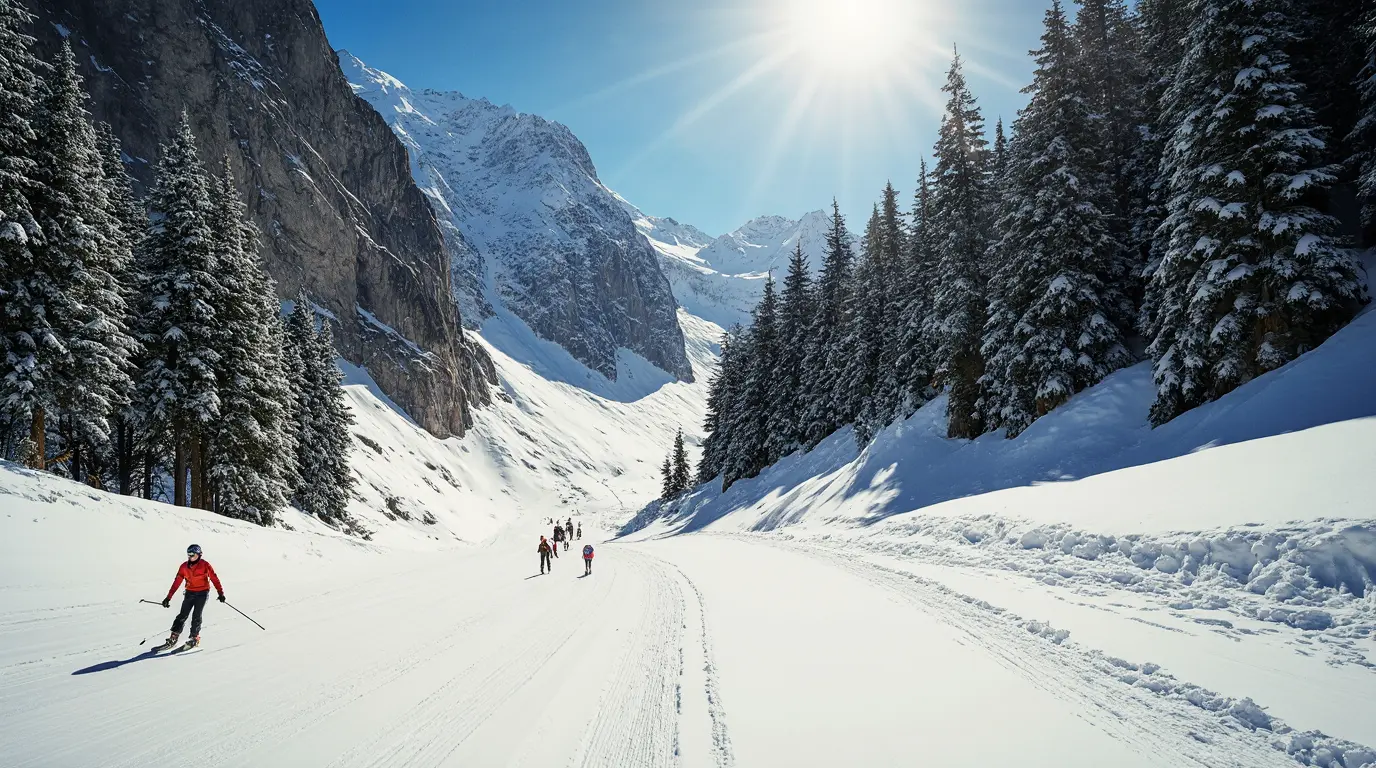
For those who yearn to ski above the clouds, Kitzsteinhorn Glacier near Kaprun offers high-altitude slopes that remain open almost year-round. Skiers encounter demanding runs with changing snow conditions, from powder to hard-packed ice, shaped by alpine weather dynamics. The glacier’s black runs provide technical challenges with steep sections and complex curves, suitable for experienced skiers.
Kitzsteinhorn also attracts freeriders, thanks to its off-piste terrain and deep powder fields. The glacier’s altitude (surpassing 3,000 meters) means you can ski with views that extend over the Austrian and Swiss Alps on clear days.
The resort’s infrastructure includes modern cable cars and funiculars that exceed expectations in comfort and efficiency, making it accessible without tiring lifts. Beyond skiing, Kitzsteinhorn has wellness centers and mountain restaurants serving local specialties, ideal for recharging after an intense day on the slopes.
Pro Tip: Dress in layers and use high-SPF sunscreen due to UV reflection at high altitude, and consider using helmets with built-in visors for comfort against wind and sunlight.
4. The Dachstein West Panorama Route: A Mix of Challenge and Scenic Grandeur
Dachstein West is a lesser-known but highly rewarding ski area located between the towns of Gosau, Russbach, and Annaberg. The slopes here offer a mix of broad cruising runs and technical descents, with a few black pistes that demand precise technique. The Dachstein range sets a dramatic backdrop; particularly challenging is the “Bretterkiste” run, known for its steep sections and narrow bends.
Beyond skiing, visitors can enjoy cable car rides up to the famous “5 Fingers” viewing platform, an architectural marvel extending over a cliff with glass floors offering vertigo-inducing views. Hiking is popular in summer, but winter here is equally spectacular thanks to snow reliability and uncrowded runs.
Local gastronomy includes cozy mountain huts serving Tyrolean dumplings (Knödel) and schnapps distilled from local fruits, contributing to a deeply authentic alpine experience.
Travel Tip: Rent a car to explore the whole Dachstein West area as the slopes are spread out across three villages—each with its character and charm.
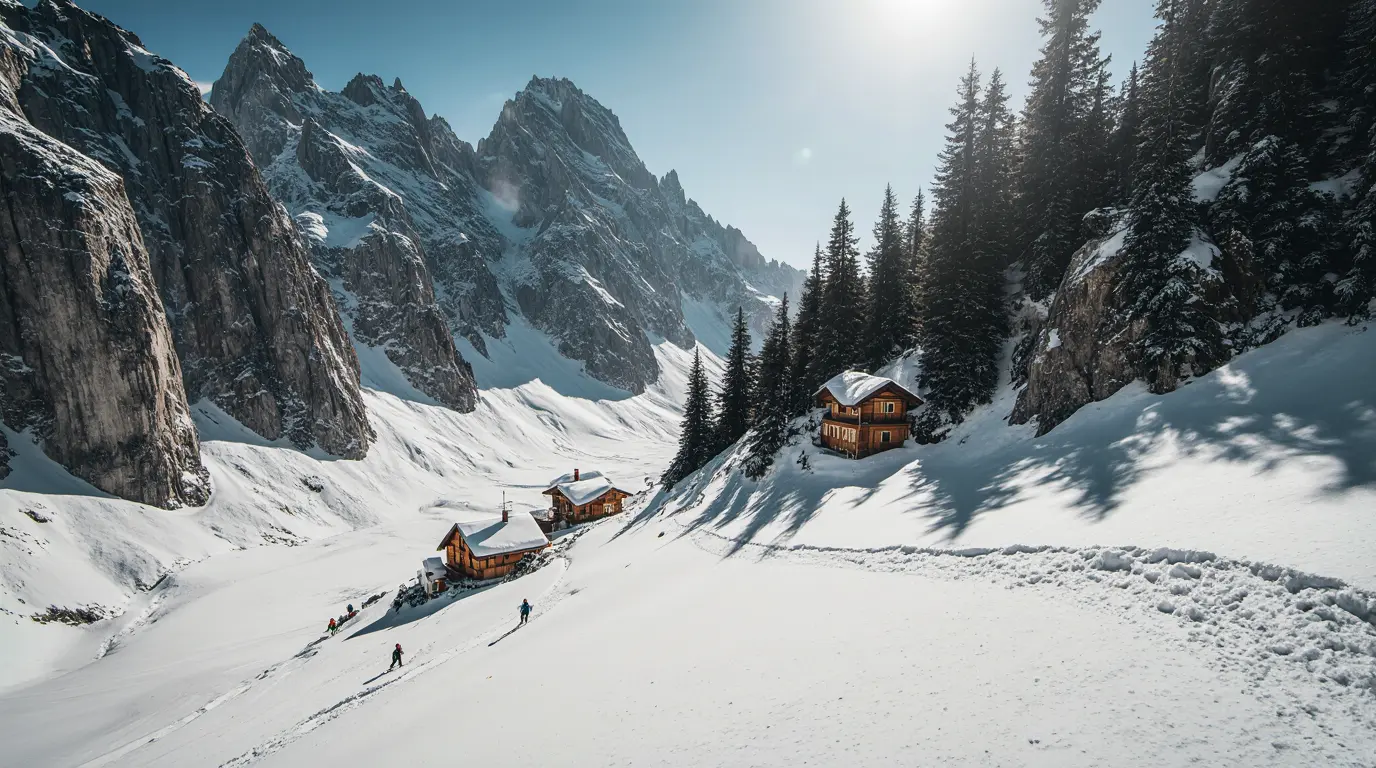
5. Obergurgl-Hochgurgl: Austria’s Highest Ski Resort With Minimal Crowds
Known as the “Diamond of the Alps,” Obergurgl-Hochgurgl stands at an elevation of over 1,800 meters and boasts some of the highest ski slopes in Austria. This resort features long, steep runs that challenge intermediates and experts alike. What makes it exceptional is the peaceful atmosphere and consistently excellent snow thanks to its altitude.
The black runs have technical curves, steep drops, and high-speed sections that thrill advanced skiers looking to escape the crowded hotspots. Obergurgl’s modern lift system efficiently distributes skiers across the area, reducing queues and maximizing slope time.
Apart from skiing, the village absorbs visitors into its tranquil alpine culture, with fewer tourists allowing more intimate engagement with local traditions and cuisine. Don’t miss tasting Tiroler Speck (smoked ham) and visiting quaint chapels and museums depicting the region’s mountain heritage.
Insider Tip: Skiers passionate about exploring off-piste terrain will find guided tours here incredibly rewarding, combining safety with access to untouched powder runs.
Exploring Austria’s more demanding ski slopes reveals a side of the Alps that challenges not only your skiing skills but also your expectations of what a ski resort can be. Whether it’s the explosive steepness of the Streif, the high-altitude thrills of Kitzsteinhorn, or the peaceful yet challenging runs of Obergurgl, these slopes redefine adventure. Austria’s combination of alpine beauty, modern infrastructure, and rich local culture ensures every visit is both exhilarating and deeply rewarding.
For a wise trip, be sure to check seasonal conditions and resort-specific opening times, as some glaciers and high-altitude resorts operate almost year-round, providing unique opportunities to ski outside traditional seasons. Additionally, integrating time to experience local culinary delights and surrounding scenic towns heightens the entire Austrian skiing experience.
Prepare with the proper gear, embrace the culture, and set your sights on mastering these Austrian slopes that truly challenge everything you thought you knew about ski resorts.