Jordan — a country renowned for its ancient history, breathtaking landscapes, and vibrant culture — offers some of the most captivating desert-to-summit treks on the planet. From the stark beauty of the desert plains to the towering peaks of legendary mountains, these hikes reveal a layered narrative of nature and history intertwined. Whether you’re an experienced trekker seeking a challenge or a curious explorer eager to walk through history, Jordan’s diverse terrains promise unforgettable adventures. Get ready to discover six of the most enthralling desert-to-summit trails that showcase Jordan’s natural splendor and cultural richness.
1. The Siq and the Summit of Mount Nebo: Walking in Moses’s Footsteps
Why it’s remarkable:
You can’t visit Jordan without immersing yourself in the biblical history that surrounds Mount Nebo, the site where Moses is said to have caught his final glimpse of the Promised Land. The ascent begins at the narrow, winding Siq Canyon — a natural geological marvel formed over millions of years with towering cliffs on either side. As you venture upwards, the transition from desert valley to lush overlook presents a stark contrast, offering both visual delight and spiritual resonance.
Practical tips:
Start your trek early morning to avoid the midday heat, especially in summer months. The trail to Mount Nebo is approximately 4 kilometers and climbs around 300 meters. The trail is moderately strenuous but has well-marked paths. Consider hiring a local guide, as they can enrich the experience with historical insights and help navigate the terrain comfortably. Once atop, the panoramic views extend across the Dead Sea, the West Bank, and even parts of Israel — perfect for photography and soaking in the ancient ambiance.
Cultural highlights:
The Mount Nebo sanctuary has a famous Bethany/Baptism site and a modern museum with mosaics and biblical artifacts. Visiting these sites enhances the spiritual journey, making it not just a physical climb but a deep dive into biblical history. Nearby, the town of Madaba, known for its stunning mosaic map, offers a weekend’s worth of exploration, including local eateries serving traditional Jordanian cuisine like mansaf and falafel.
2. Wadi Rum’s Desert Walk and the Rising Peaks of Jebel Rum
Why it’s remarkable:
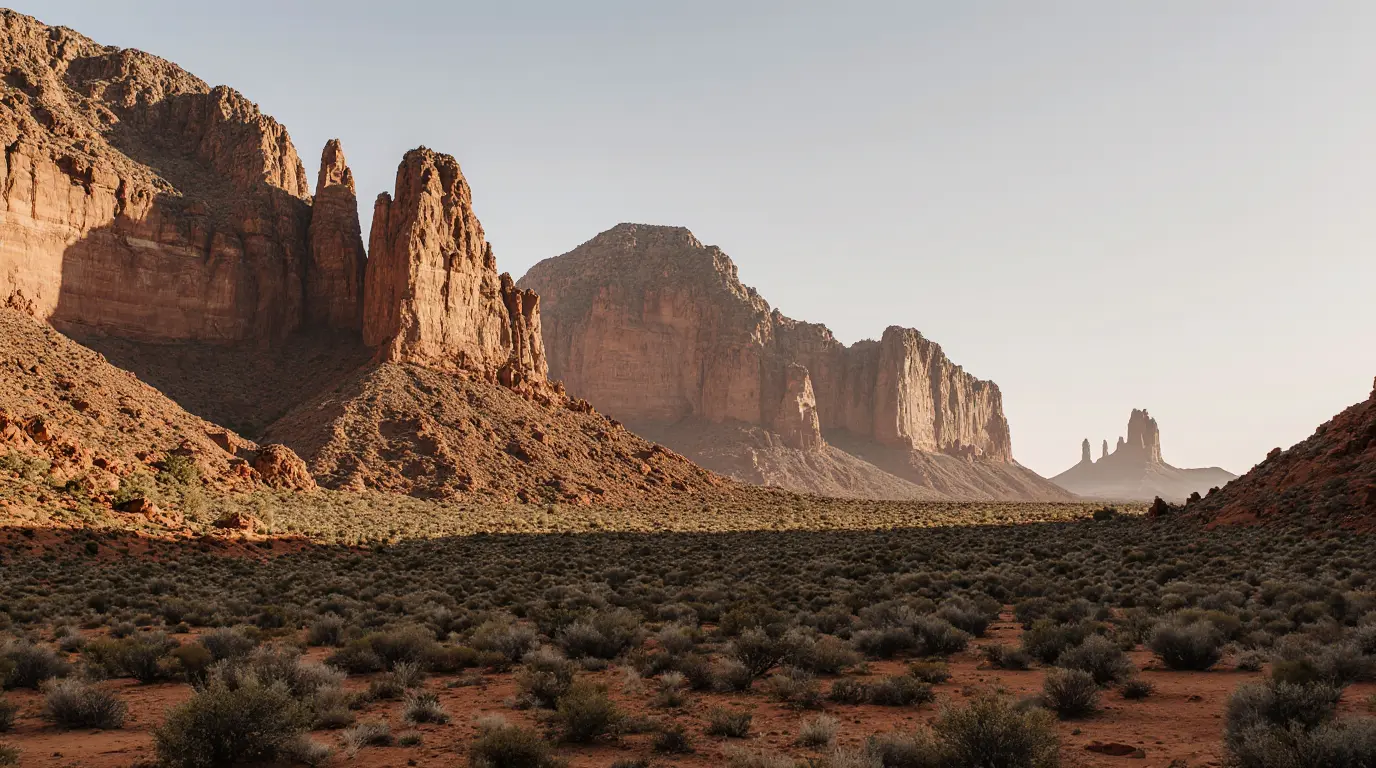
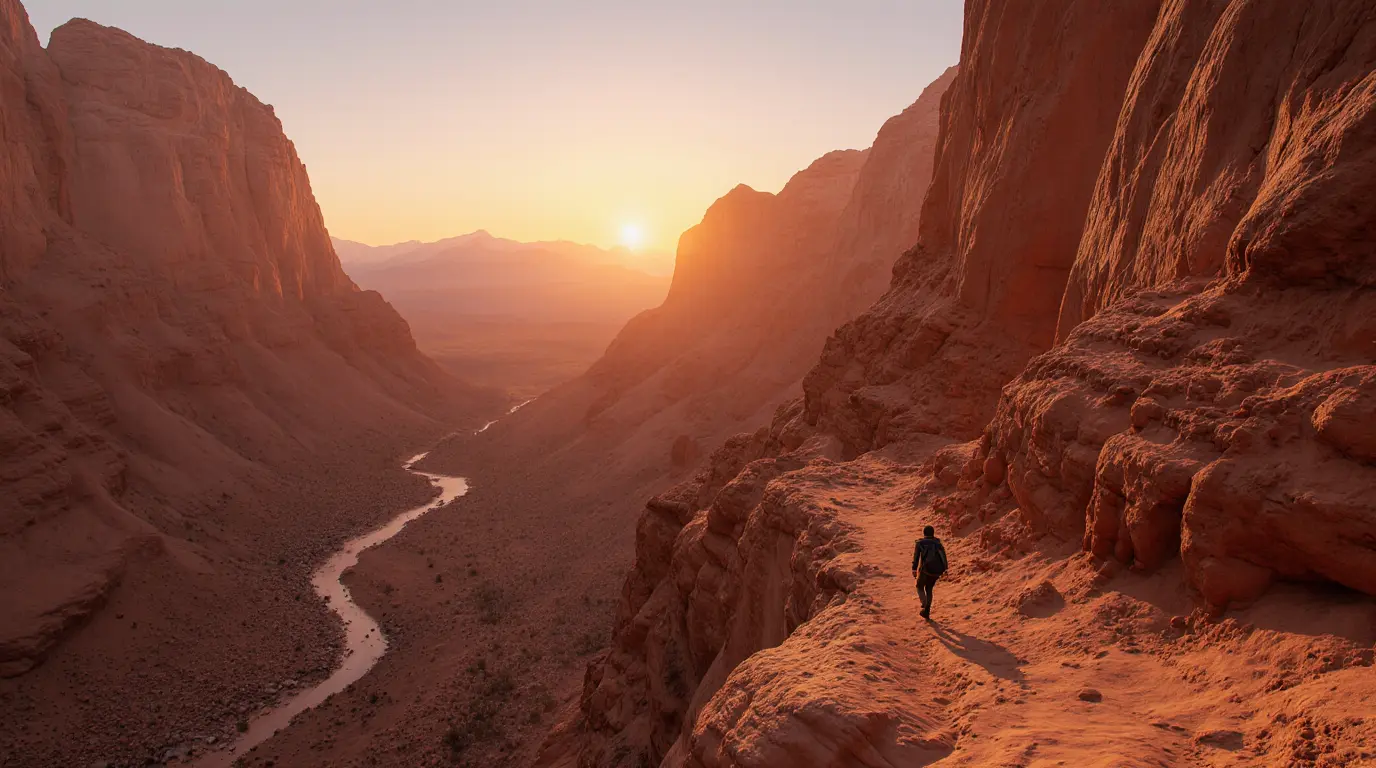
Often called the Valley of the Moon, Wadi Rum offers an otherworldly desert landscape dotted with sandstone mountains, ancient petroglyphs, and expansive dunes. While many visitors explore Wadi Rum via jeep tours, trekking through the area on foot delivers a raw, connected experience with the desert environment. Climbing Jebel Rum, the second-highest peak in Jordan, combines desert expedition with mountain adventure — from the wide-open sands of the Rum Valley to the summit elevated at 1,750 meters.
Practical tips:
Plan your trek during cooler months, specifically between October and May, to avoid the extreme summer heat. The hike to Jebel Rum’s summit is approximately 8 kilometers round-trip, demanding decent fitness and some rock scrambling skills. Carry plenty of water, wear sturdy hiking boots, and have a local Bedouin guide accompany you — they know the safest routes and can tell captivating stories about desert life and the mountain’s history.
Cultural highlights:
Wadi Rum boasts a rich history, with inscriptions dating back to the Nabateans. Spend a night in a traditional Bedouin camp under the stars — it’s an experience that elevates the desert trek to a cultural immersion. The local community offers authentic experiences like traditional tea brewing and storytelling around campfires, truly connecting you with Bedouin hospitality.
3. The Trail from Wadi Mujib to Wadi Hidan: The Water’s Edge Adventure
Why it’s remarkable:
While the majority of Jordan’s treks focus on mountains and deserts, the Wadi Mujib Biosphere Reserve presents a unique desert-to-oasis trek along the Jordan River, flowing through a dramatic canyon landscape. Starting from the aquatic oasis at Mujib, the trail gradually ascends through rugged rocky corridors, culminating in views over the arid Jordanian lowlands from the Wadi Hidan viewpoint.
Practical tips:
The best time to hike Wadi Mujib is during spring (March-May) or fall (September-November), when the river is flowing but the heat is manageable. The trail involves some rappelling and scrambling, so comfortable waterproof footwear and a sense of adventure are a must. The reserve requires booking through their official website, as the popular “Siq Trail” fills up quickly. Consider hiring a licensed guide for safety and local expertise.
Cultural highlights:
The Wadi Mujib area is home to ancient Nabatean and Roman relics, including terraced agriculture and water channels carved into the rocks. The proximity to the Dead Sea makes it an excellent day trip to combine with a float on the salty waters afterward, providing a perfect mixture of adventure and relaxation.
4. The Highlands to the Dead Sea: A Trek of Contrasts and Cultural Insights
Why it’s remarkable:
This trail connects Jordan’s highland agricultural villages with the lowest point on Earth — the Dead Sea. Trekking from the captivating mountain villages of Dana Biosphere Reserve down to the salty waters involves crossing varied terrains: lush terraced fields, arid steppe, and finally, the desert plains bordering the Dead Sea.
Practical tips:
Opt for a multi-day trek with overnight stays in local guesthouses or eco-lodges. The descent is steep and can be challenging in parts, so a guide with local knowledge can help navigate paths while explaining the cultural significance of each village. Pack light but include essentials like sun protection, sturdy shoes, and water-resistant gear. This route typically takes around 3-4 days, depending on your pace.
Cultural highlights:
Throughout the journey, you’ll pass through villages like Dana and Fifa, where you can enjoy authentic Jordanian hospitality and traditional dishes. Learn about ancient terracing techniques used for farming and explore archaeological sites that reveal the region’s historical significance as a trade route.
5. The Climb of Jebel Umm ad Dami: Jordan’s Highest Peak
Why it’s remarkable:
For true mountain enthusiasts, summiting Jebel Umm ad Dami (1,854 meters) offers an ascent over desert plains and rugged terrain, culminating in towering summit views of the Arabian Peninsula. This peak is located in the eastern part of Wadi Rum, often overlooked by tourists, making it a secluded adventure.
Practical tips:
Start early to beat the heat and ensure a safe ascent. The trek spans about 10 kilometers, with a mix of hiking and scrambling over rocky trails. Due to the remote location, hire a local Bedouin guide who knows the safest routes and can provide logistical support, including permits and transport. Bring layers, as weather can change rapidly at higher altitudes.
Cultural highlights:
While the ascent is primarily natural, the area surrounding Jebel Umm ad Dami is steeped in Bedouin storytelling and history. Spend time in Rum village before or after your climb to enjoy traditional foods like mansaf — Jordan’s national dish made with lamb, rice, and yogurt sauce.
6. The Iron Clad Trek from Azraq to the Rub’ al-Khali (Empty Quarter)
Why it’s amazing:
Venturing into the vast, uninhabited sands of Jordan’s eastern deserts takes you from the ancient oasis of Azraq to the legendary Rub’ al-Khali — the Empty Quarter. It’s a trek into one of the world’s most extreme environments where desert landscape meets legendary history.
Practical tips:
This trek is suited for experienced desert trekkers armed with proper navigation skills and a 4×4 support vehicle. Timing it for winter (November to February) minimizes the risk of extreme heat. Be sure to carry enough water, GPS devices, and satellite phones. Permits are required for crossing into the Empty Quarter, so coordinate with local tour operators experienced in desert expeditions.
Cultural highlights:
Historically, this region was part of the Incense Route, vital for trade and cultural exchange. Visiting Azraq’s ancient wetlands and the Azraq Castle provides insight into the region’s strategic importance through centuries. The journey into the Empty Quarter offers a rare glimpse into an untouched world with a captivating blend of history, legend, and desert majesty.
Conclusion
Jordan’s landscape offers a spectacular range of desert-to-summit treks, each combining breathtaking natural beauty with deep historical roots. These six routes unveil the country’s diverse terrains, from biblical mountains and sacred sites to vast deserts and mountain peaks. Each trail offers an adventure that’s not only physically rewarding but also rich in cultural insights, making Jordan an unparalleled destination where history meets height. Prepare well, trek with respect for nature and tradition, and get ready for stories you’ll be telling for years to come.